



Xiaomi Corp - Unsponsored ADR (XIACY)




Xiaomi Corporation (XIACY) Q1 2026 Earnings Call Transcript
Xiaomi Corporation (XIACY) Q1 2026 Earnings Call Transcript

Xiaomi's Profit Buckles as Memory Prices Soar
Xiaomi had a rough start to the year, posting another profit drop as the memory crunch, stiff competition and soft demand hurt its businesses, from smartphones to electric cars.

Xiaomi has delivered 26,000 units of upgraded SU7 series sedan
Xiaomi, a well-known maker of smart consumer electronics in China, said on Friday that it had delivered 26,000 units of its upgraded SU7 series, which launched in March.

Xiaomi: Smartphone Cost Pressures Persist, But Robotics And Agentic AI Could Drive Long-Term Upside
Xiaomi transitioning from smartphones to EV, physical robotics, and other AI initiatives can impact near-term revenue and earnings outlook. The smartphone's share of total gross profit has declined from 40.9% to 15.1% over the past two years, while the EV and AI segment has increased from 0% to 34.7%. Due to a spike in memory prices, the smartphone segment's gross profit has declined significantly, and management expects cost pressures to persist.

Xiaomi Corporation (XIACY) Q4 2025 Earnings Call Transcript
Xiaomi Corporation (XIACY) Q4 2025 Earnings Call Transcript

Xiaomi Quarterly Profit Falls Amid Rising Memory Costs
Xiaomi reported a slump in quarterly net profit, caught between soaring memory-chip prices and subdued consumption in one of the world's largest consumer markets.

The Dip Before The Re-Rate, Xiaomi's Window Of Maximum Pessimism
Xiaomi is transitioning from a smartphone-centric business to a diversified digital goods and EV company, with EV deliveries tripling in 2025. Despite impressive EV execution and segment profitability, Xiaomi faces margin pressure in smartphones due to surging DRAM costs and subsidy phase-outs for appliances. Q4 2025 earnings are expected to show modest revenue growth (~7.5% Y/Y) and flat adjusted net income, with EV as the key growth engine.

Xiaomi Slides 44% From Peak as Short Sellers Rack Up $1.8B Gains
Short sellers betting against Xiaomi (XIACY) are seeing sizable gains as a mix of rising memory prices and slowing electric-vehicle momentum begins to cloud the

China's Xiaomi tells CNBC it's planning a yearly smartphone chip release and its own AI assistant for overseas
Xiaomi plans to launch a new XRing smartphone processor chip yearly, the company's president, Lu Weibing, told CNBC. Xiaomi will combine its own chip, operating system and AI into a single device this year for the first time.

Xiaomi says February EV deliveries topped 20,000, down from January
Chinese electric vehicle maker Xiaomi said it delivered more than 20,000 vehicles in February, down from more than 39,000 in January, according to a post on its official Weibo account on Sunday.

Xiaomi challenges India tax authority over tariffs on royalties in closely watched case
Xiaomi has challenged an Indian tax ruling that said the company evaded $72 million in tariffs on royalty payments, according to legal documents, a dispute that the Chinese company and lawyers say is a test of the country's legal framework for contract manufacturing.
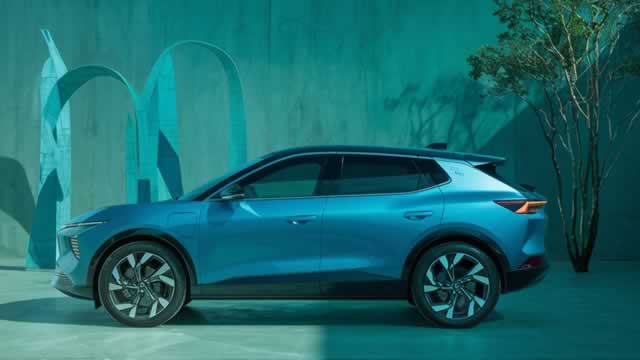
Xiaomi's electric SUV tops China sales in January, sells twice as many as Tesla's Model Y
Sales of Xiaomi's YU7 SUV were twice that of Tesla's Model Y in China in January. The Chinese company started selling the YU7 roughly half a year ago.




