



Xiaomi Corp - Unsponsored ADR (XIACY)




Xiaomi Corporation (XIACF) Q1 2025 Earnings Call Transcript
Xiaomi Corporation (OTCPK:XIACF) Q1 2025 Earnings Conference Call May 27, 2025 7:30 AM ET Company Participants Lu Weibing - President Alain Lam - CFO Conference Call Participants Andy Meng - Morgan Stanley Yingbo Xu - CITIC Timothy Zhao - Goldman Sachs Zoe Xu - UBS Kyna Wong - Citi Leping Huang - Huatai Operator Ladies and gentlemen, welcome to Xiaomi's 2025 First Quarter Results Announcement Investor Conference Call and Audio Webcast. Today's conference is being recorded.

How copycat phone maker Xiaomi became a force in China's EV market
Xiaomi was one of the world's biggest phone makers. Then it made an EV that sold fast and outperformed cars made by veterans, including Porsche and Tesla.

Xiaomi Delivers Another Earnings Beat on Strong Phone, Car Sales
The Chinese smartphone and electronics maker said its first-quarter net profit more than doubled from a year earlier to 10.92 billion yuan.
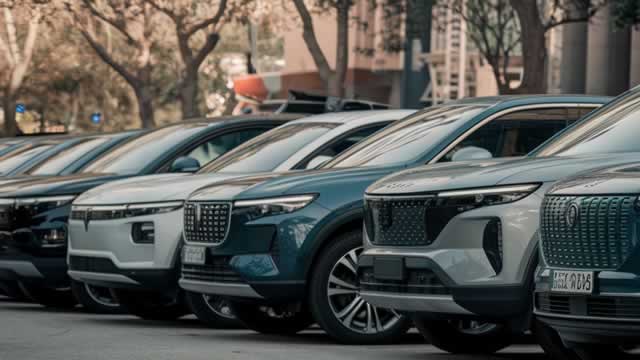
Xiaomi takes aim at Tesla's bestselling car in China with its longer-range YU7
China's Xiaomi is taking aim at Tesla's bestselling car in China with the YU7 SUV due for launch this summer. "We expect Yu7 would significantly erode Tesla Model-Y's China market share," Citi analyst Jeff Chung said in a report Sunday.

China's Xiaomi founder expects new electric SUV to hit market in July
Xiaomi's new electric SUV YU7 is expected to hit the market in July, founder and CEO Lei Jun said in a Weibo post on Thursday.

Xiaomi has started mass producing self-developed Xring O1 chip
Xiaomi's founder Lei Jun said on Tuesday that the company has started mass production of its self-developed Xring O1 advanced mobile chip.

Xiaomi Plans Nearly $7 Billion Investment in Chip Design
The Chinese technology giant is slated to introduce a 3-nanometer mobile chip this week and plans to invest nearly $7 billion in chip design over at least 10 years, its founder said.

Xiaomi to invest nearly $7bn in chip design over next decade
Xiaomi plans to invest at least $6.9 billion in chip design over the next ten years, according to founder Lei Jun in a post on Chinese social media platform Weibo. A company spokesperson confirmed to Reuters that the timeline for the investment begins in 2025.

Xiaomi: The AI Breakthrough Powering A New Era Of Smart Ecosystems (Upgrade)
Xiaomi's MiMo model, an advanced AI with 7 billion parameters, outperforms OpenAI's o1-mini and Alibaba's QwQ-32B, marking a significant technological breakthrough. We upgrade Xiaomi to buy from hold due to its AI advancements and the de-escalation of Sino-US tensions, presenting an attractive entry point. MiMo's integration enhances Xiaomi's ecosystem, improving user experience in smartphones, IoT, home appliances, EVs, and potentially humanoid robots.

Xiaomi will not bring new YU7 to China's largest auto show, exec says
Xiaomi does not plan to showcase its upcoming YU7 electric SUV at China's largest auto show next week, deflating widespread anticipation among visitors keen to catch a glimpse of the would-be challenger to Tesla's Model Y.

Xiaomi delivers record cars in March as winners emerge in China's EV race
Xiaomi delivered a record number of electric vehicles in March, exceeding 29,000 units. Xpeng and Leapmotor saw deliveries more than double in March from the same period last year.

Xiaomi: Doing What Apple And Tesla Can't
I maintain a "Buy" rating on Xiaomi due to its successful ecosystem strategy and promising expansion into the EV market, despite recent stock corrections. Xiaomi's financials are strong, with significant revenue and profit growth in smartphones and IoT, and narrowing losses in the EV segment. The valuation remains attractive with a forward-looking perspective, supported by Goldman Sachs' optimistic 12-month target price, indicating a 30% upside potential.




