




Tezos
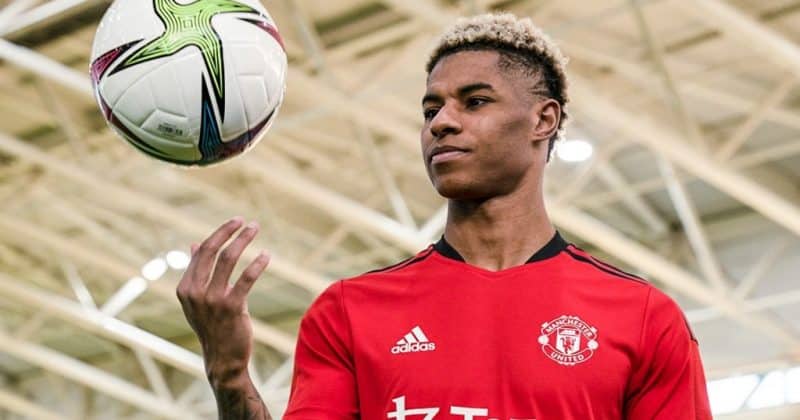
Manchester United's summer transfer push puts spotlight on its Tezos partnership and fan token ecosystem
Manchester United's transfer activities highlight the challenges and potential instability in crypto partnerships and fan token ecosystems. Manchester United's summer transfer push puts spotlight on its Tezos partnership and fan token ecosystem.
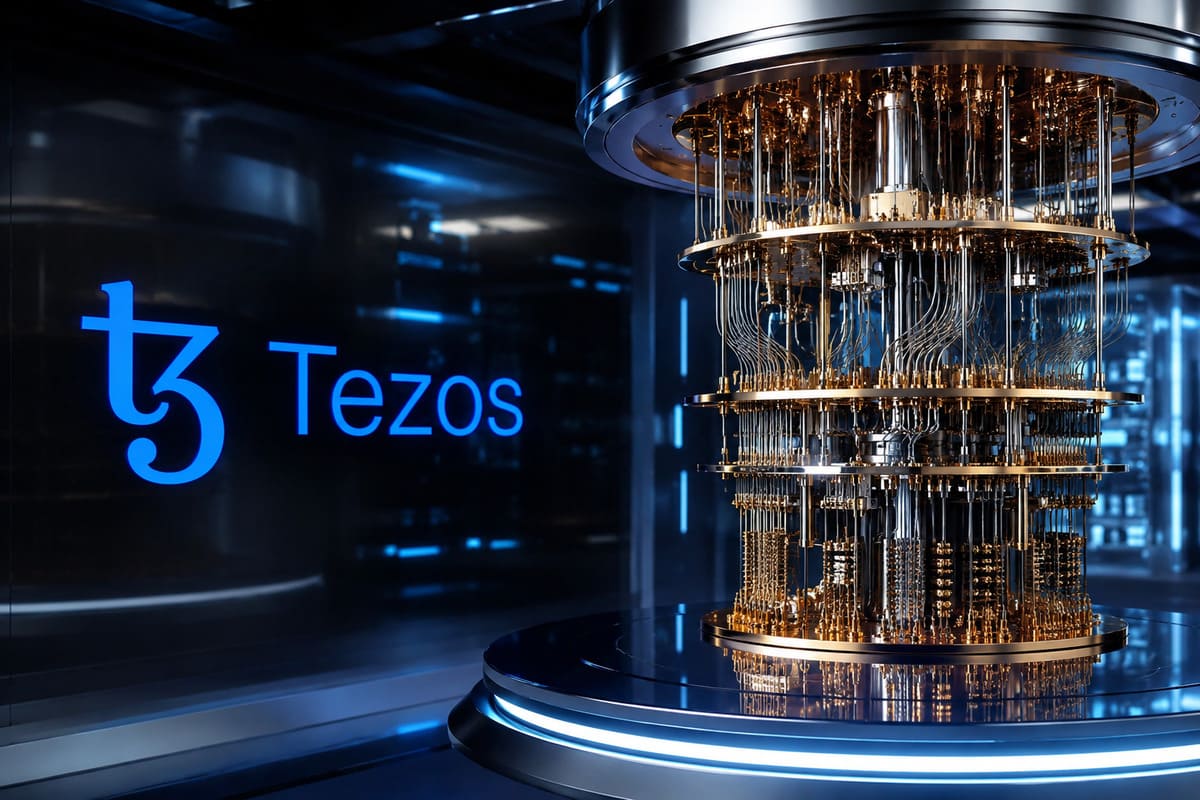
Tezos Unveils TzEL, an Experimental Post‑Quantum Privacy Rollup
Tezos introduced TzEL, an experimental privacy rollup using zk-STARK proofs and post-quantum cryptography on its testnet. TzEL addresses the “harvest now, decrypt later” problem: encrypted data stored today could be decrypted once quantum computing matures. The project uses Tezos' data availability layer and rollup architecture to handle proofs of up to 300KB per transaction.
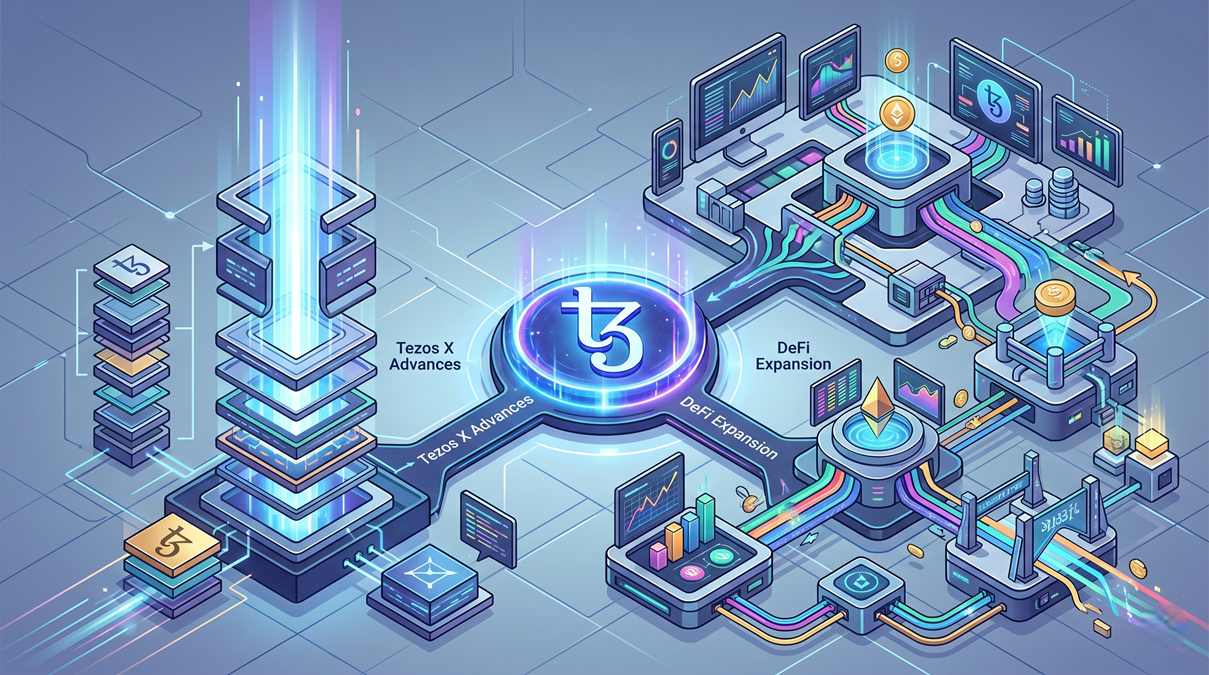
Tezos Q1 Report — Messari Highlights Major Progress on Tezos X and Expanding DeFi Footprint
Technical expansion: The Tallinn protocol upgrade reduced layer-1 block time from 8 to 6 seconds on January 24, 2026. Financial adjustment: The price of the native token XTZ decreased by 28.7% during the quarter, standing at a value of $0.35. RWA growth: The Uranium.io platform recorded a 1.
Tezos Unveils Post-Quantum Privacy Solution Amid Growing Industry Debate
The Tezos network has rolled out TzEL on its testnet, a quantum-resistant privacy framework built to safeguard blockchain transaction information against emerging quantum computing capabilities.

Tezos Tests Post-Quantum Privacy as Founder Slams 'Half-Baked' Bitcoin Quantum Theories
Arthur Breitman's comments come as Tezos tests a post-quantum privacy system designed to protect encrypted blockchain data from future attacks.
Tezos X Mainnet Launch Targeted for Summer 2026 as TezDev Reveals Roadmap
Arthur Breitman announces Tezos X mainnet could go live this summer with 50ms confirmations. New metals.io platform expands beyond uranium tokenization.

From uranium to rare earths: Tezos' bid to tokenize the elements
At TezDev 2026, Arthur Breitman reiterated his longstanding belief that crypto's next frontier is tokenized commodities, unveiling uranium and metals tokens as the start of a broader ‘periodic‑table roadmap'.
Art on Tezos turns Cannes into a live testbed for digital culture
Art on Tezos is no longer a niche experiment; at TezDev 2026 in Cannes, it felt like a working model of where digital culture is going next.




