


Zcash
Specter Tracks Stolen Funds From Multiple Incidents Moving Into Zcash
The flows included funds linked to Cryptobills Ledger and a $12 million Triple-A hack; the figure refers to the hack's value, not a stated ZEC transfer total.
Zcash Price Prediction: ZEC Drops 5% Ahead of October 20 Upgrade Decision
Zcash fell nearly 6% on October 16 as developers approach the October 20 NU7 decision. Analyst sees $1,650 upside or a possible $1,000 retest.
Crypto In & Out: Zcash draws $11.19 million as Dogecoin sheds $5.26 million
Zcash drew $11.19 million to rank third in cryptocurrency inflows, while Bitcoin led with $27.32 million. Dogecoin posted a $5.26 million outflow.
Zcash Falls 6.36% in Four Hours to $1,138 as Long Liquidations Reach $2.91 Million
ZEC was down 7.00% over 24 hours, and long liquidations totaled $2.91 million in a one-hour period.
Zcash Drops 4.62% in Four Hours to $1,171 as Long Liquidations Top $1.15M
One-hour liquidations totaled $1.15 million in long positions and $20,000 in short positions.

Fortitude Sells Borrowed Zcash for $8.3 Million Amid Mining Expansion Plans
The dollar-repayable borrowing covered 5,790.4798 ZEC; a July contract schedules 9,000 mining machines for delivery in October and November 2026.
Zcash Needs a Daily Close Above $1,277.62 to Strengthen Recovery
An Oct. 16 snapshot placed ZEC at $1,234.17; daily momentum readings were mixed, with RSI below 50 and a narrowing negative MACD histogram.
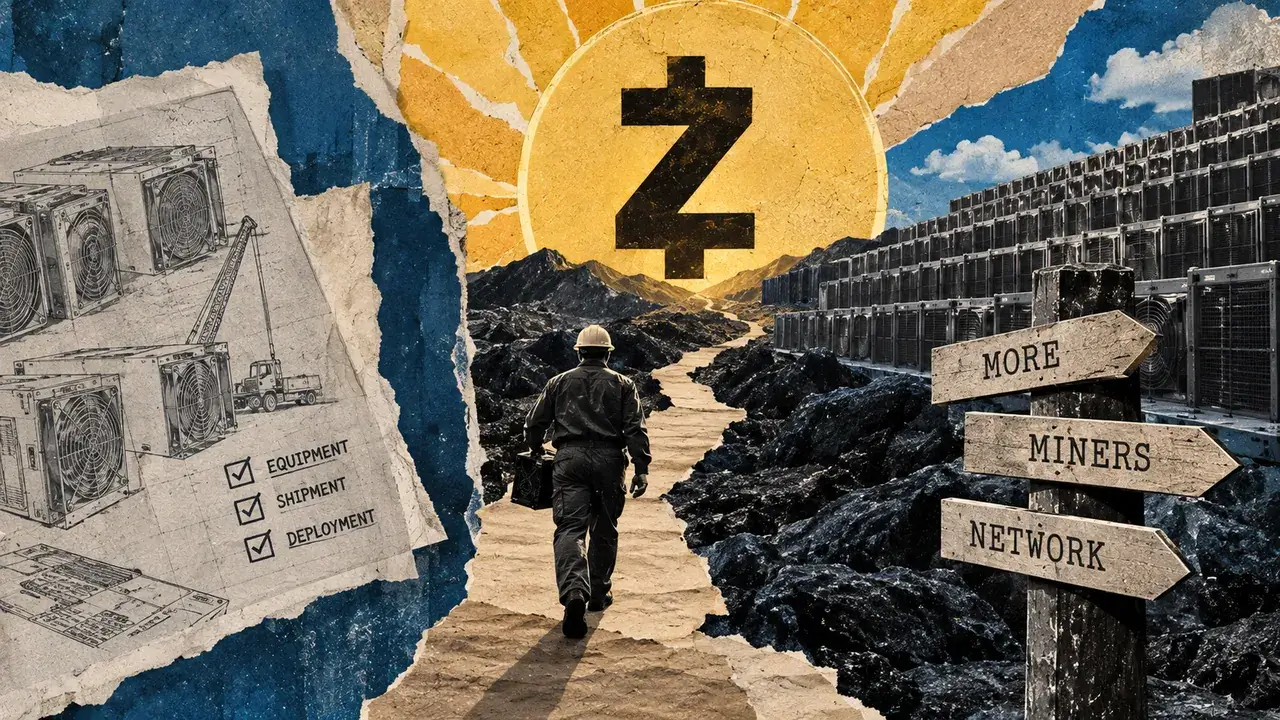
Fortitude sold $8.3 million in borrowed Zcash to fund its mining expansion
Fortitude's dollar-repayable ZEC borrowing can finance expansion through coin sales, while additional machines compete for existing block rewards. Read the full story on CryptoSlate Understand the crypto stories that matter and what to watch next.
Zcash Rises 2.61% in One Hour to $1,238, With $850,000 in Short Liquidations
ZEC was up 11.50% over 24 hours. Short liquidations totaled $850,000 and long liquidations totaled $0 across three exchanges during the one-hour period.
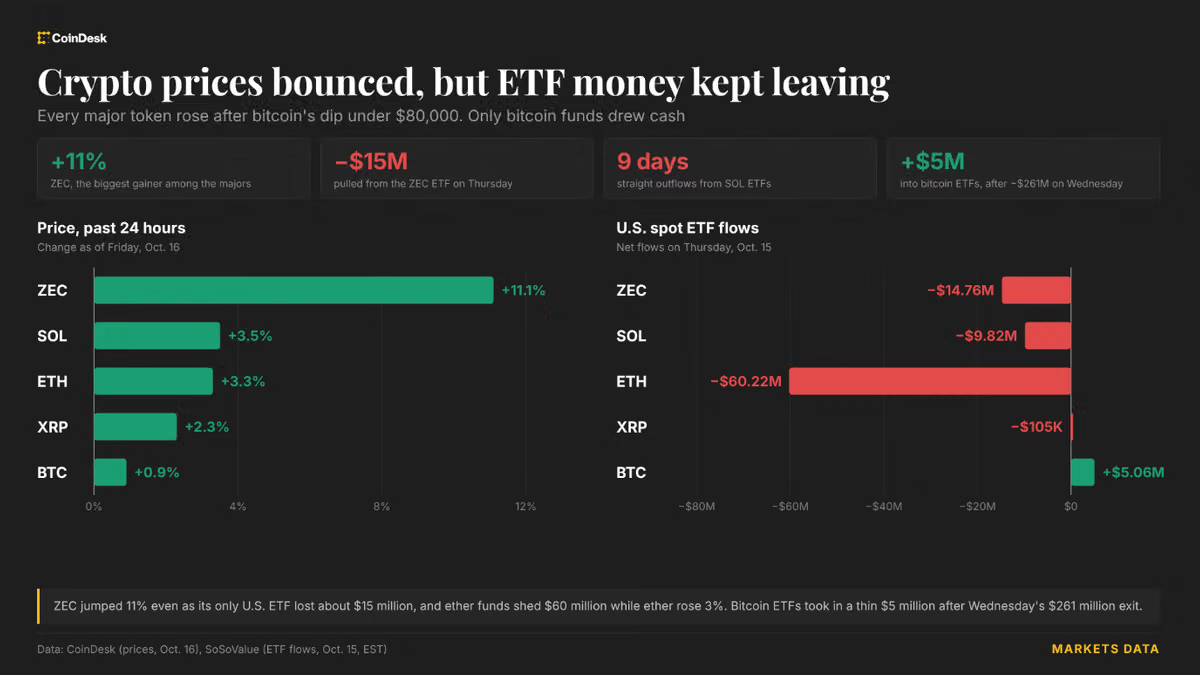
Live updates: Bitcoin back above $82,000, ZEC jumps 11% as ETF outflows continue
Crypto bounced a day after bitcoin's brief drop under $80,000, but investors kept pulling money from ether, SOL and ZEC funds.

Zcash Names Sets a $10,000 Annual Fee for One-Character Names
Reservations cost 0.005 ZEC and place users in the registration queue. Public registration is scheduled for Oct. 30 or later if reserved users have not had a chance to register.
Zcash holds $1,073 and takes back 14 percent from the low: where does ZEC stand now?
Zcash fell as far as $1,073.55 on 15 October 2026 and trades at around $1,224 again. Between the daily low and the daily high lay 16.6 percent, a range that decides more about leveraged positions, the holding period and custody than the closing level does.


