





ZK Token

ZKsync eyes Japan expansion – Can bullish momentum carry ZK higher?
Can Japan expansion keep investors interested while traders confront resistance?

ZKsync opens Prividium core code under Apache 2.0 license
Open-sourcing Prividium's core code could boost institutional blockchain adoption, enhancing transparency and reducing vendor dependency. ZKsync opens Prividium core code under Apache 2.0 license.

ZKsync Opens Prividium Core Code Under Apache 2.0.
The release makes Prividium's core code available under the Apache 2.0 license.

Bundesbank Tests ZKsync Prividium as Matter Labs Open-Sources Institutional Engine
Deutsche Bundesbank is testing ZKsync Prividium's open-source permissioning engine, as Matter Labs opens its core software to institutions.
ZKsync developer Matter Labs open-sources Prividium permissioning engine; Bundesbank tests platform
ZKsync developer Matter Labs has open-sourced the permissioning engine of Prividium, its DLT platform for financial institutions.
ZkSync Era leads RWA market cap growth by $77M in 24 hours
ZkSync Era's rapid RWA market cap growth highlights the increasing institutional interest in blockchain for tokenizing traditional assets. ZkSync Era leads RWA market cap growth by $77M in 24 hours.

Tradable Set to Migrate $1 Billion in Private Credit Assets from ZKsync to Stellar
Tradable, the startup backed by ParaFi Capital, plans to migrate approximately $1 billion in private credit assets to the Stellar network. The platform had already tokenized $1.7 billion in assets on ZKsync, Ethereum's layer 2, across nearly 30 institutional positions.

Fentanyl-linked crypto fraud tied to fake Zksync.jp token: Nikkei
Nikkei says a fentanyl-linked Chinese network used a Japan base and fake Zksync.jp token to run crypto fraud tied to sanctioned wallets.

Fentanyl-linked Chinese network tied to crypto fraud from Japan involving fake ‘Zksync.jp' token: Nikkei
The linked criminal group allegedly distributed a scam token under the name "zksync.jp" to deceive crypto users worldwide, with losses of over $1 million.
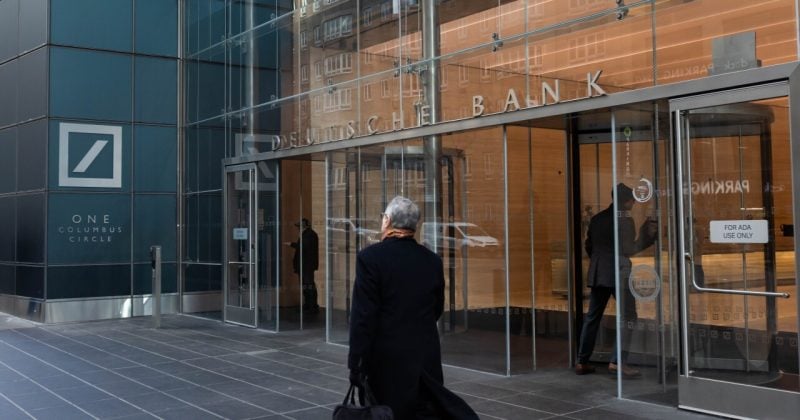
Deutsche Bank deploys production settlement infrastructure on zkSync for real transactions
Deutsche Bank's blockchain adoption highlights institutional trust in public networks, yet challenges remain in aligning token economics with usage. Deutsche Bank deploys production settlement infrastructure on zkSync for real transactions.

zkSync climbs 11% in 24 hours – But a sharp pullback threatens the rally
Despite the bullish outlook, zkSync still faces bearish pressure that could drag it lower.




