







Gold price hit with major selling as U.S. economy creates 162K jobs in August
The gold market is seeing some dramatic selling pressure, with prices quickly dropping through initial support at $4,400 an ounce as the U.S. economy remains resilient, creating significantly more jobs than expected in August.
The Cancer Vaccine Gold Rush Has Begun. So Has the Race for Picks and Shovels.
Tempus AI could capture a lucrative slice of Moderna and Merck's personalized cancer therapy business, with Personalis at the center of the bet.

Gold (XAU/USD) & Silver Price Forecast: NFP Takes Center Stage as Fed Hike Bets Ease
Gold and silver await U.S. NFP at 12:30 GMT as Fed hike expectations ease, while Iran tensions and lower rate pressure support precious metals.

Europe is rethinking where it keeps its gold
The Netherlands shifted billions in gold from North America to London, citing geopolitical unrest. France has also reshuffled its gold holdings, while Germany and Italy face pressure to bring their reserves home.

Gold Rises on Weaker U.S. Dollar
Gold rose in early Asian trade. Sentiment is likely supported by a weaker U.S. dollar and slightly more dovish comments from U.S. policymakers, tempering rate hike expectations, ANZ said.

U.S. Treasury's interventions show weakness: ‘Incredibly bullish for gold' – Adrian Day
While the U.S. Treasury Department has made massive waves with their two recent interventions – one targeting the yen, and the other long-term yields – these did next to nothing to solve the real problems plaguing the dollar and the debt, and gold will be the inevitable beneficiary, according to Adrian Day, president of Adrian Day Asset Management.
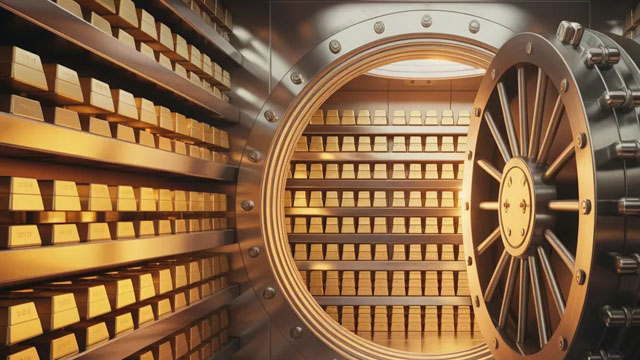
Dutch Central Bank Cuts Gold Reserves in U.S., Citing ‘Geopolitical Unrest'
The Netherlands moved some 90 tons of gold out of the Federal Reserve Bank in New York, the second European nation this year to announce it had decreased or eliminated U.S. gold holdings.
It's time to get bullish on gold again, says SocGen
The gold market is once again testing initial resistance at $4,500 an ounce, and one international investment bank believes that now is the time to get back into the market as they continue to see a gradual recovery from gold's months-long correction.

Central banks add 23 net tonnes of gold in July with China and Poland leading purchases – World Gold Council
Central banks increased allocations to their gold reserves in July, with the Chinese and Polish central banks once again leading all sovereign buyers, according to Marissa Salim, Senior Research Lead, APAC at the World Gold Council (WGC).“Central banks continued their gold accumulation in July with net buying reported at 23t,” Salim wrote in the WGC's latest update.

Fed is ‘all talk, no action' as debt pressure sets stage for higher gold price - AuAg's Eric Strand
Gold investors may have to endure more volatility as markets continue to wrestle with stubborn inflation and the prospect of higher interest rates, but one fund manager says the market is focused on the wrong question.

RBC backs gold as Hormuz shipping risks rattle markets
Gold faced a reality check from RBC Capital Markets on Thursday, as the Canadian bank flagged near-term consumer headwinds but stopped well short of a bearish call. RBC Capital Markets maintained its constructive outlook on gold, even as elevated United States 10-year Treasury yields raised the metal's opportunity cost to its highest level since 2023.

Gold price at $4,463/oz after ISM Services PMI rises to 55.4 in August
The U.S. service sector improved above expectations last month, according to the latest data from the Institute for Supply Management (ISM).The ISM announced on Thursday morning that its Services Purchasing Managers Index came in at 55.4 in August, up from 54.1 in July. The data was better than expected, as economists were looking for a reading of 54.3.




