






Gold price nears $4,500 as jobs data, Waller ease yield pressure - Kitco AM Report
Spot gold and silver prices are higher in early U.S. trading Thursday, as softer labor-market signals, a pullback in Treasury yields and a less-hawkish tone from Fed Governor Christopher Waller helped precious metals extend Wednesday's rebound.

Gold price rally looks beyond stable U.S. weekly jobless claims
Some stability in the U.S. labor market, as the number of American workers applying for first-time unemployment benefits remains relatively unchanged for the fourth consecutive week, is doing little to derail renewed momentum in the gold market.
Netherlands Moves Gold From New York to London, Citing Geopolitical Unrest
The Dutch central bank said it moved around 86 metric tons of gold from New York and Ottawa as part of the bank's crisis preparedness
Dutch central bank moves gold bars out of U.S. and Canada, citing ‘crisis preparedness'
The Dutch central bank has moved about 86 tons of gold from New York and Ottawa to London, citing rising geopolitical risks and the need to strengthen "crisis preparedness." DNB said gold stored with the Bank of England is more readily tradable, allowing it to be deployed more quickly in a severe crisis.
Dutch central bank moves 86 tonnes of gold from U.S., Canada to London
Against a backdrop of growing economic and geopolitical uncertainty, including rising trade tensions between Canada and the U.S., one European central bank is taking steps to improve the liquidity and accessibility of its gold reserves, moving some of its holdings from New York and Ottawa to London.
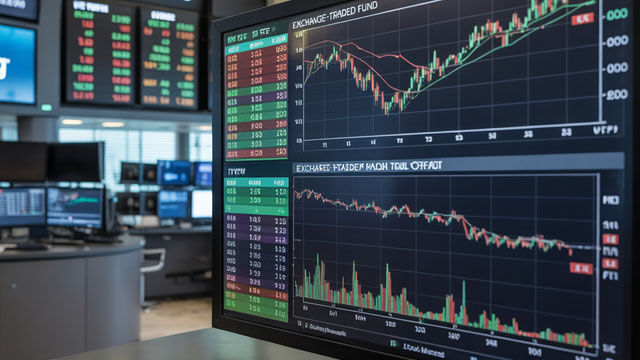
Goldman Sachs sees gold price at $4,900/oz by year-end, but investors hedging through gold derivatives could drive it even higher
Gold prices will rise to $4,900 per ounce by the end of 2026 amid strong demand from central banks seeking to diversify their foreign currency reserves, while investors using gold derivatives to hedge may be making the yellow metal more volatile, according to Goldman Sachs Research.
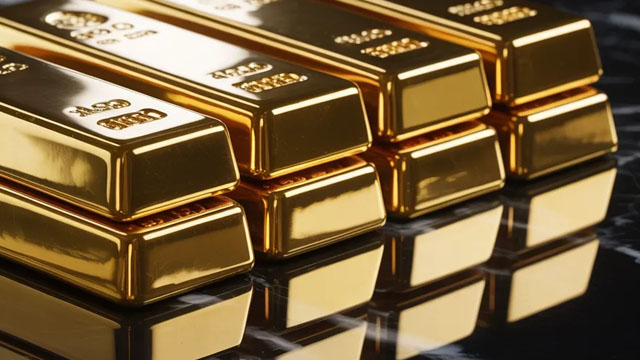
Gold price will approach $5,000/oz in 2026, $5,300/oz in 2027 on ‘uncertainty, de-dollarization, and debasement concern' – RBC
Gold's recent price action has demonstrated that geopolitical instability, global de-dollarization and worries over U.S. dollar debasement are returning to the fore, and the yellow metal is now poised to resume its march above $5,000 per ounce, according to Christopher Louney, Director of Global Commodity Strategy and MENA Research at RBC Capital Markets.
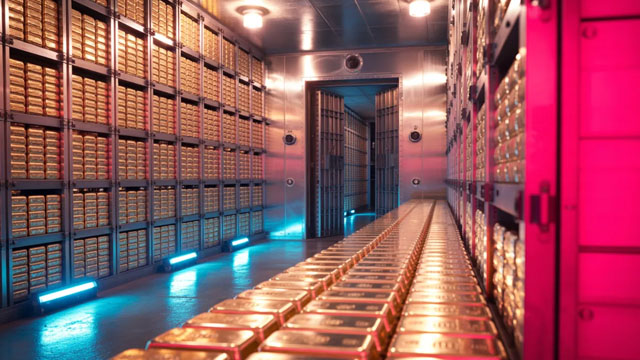
Gold looks cheap as debt, inflation and uncertainty threaten fiat currencies - Matthew Jones
Gold prices may be struggling as investors focus on rising inflation and the prospect of higher interest rates, but one precious metals analyst says the market is missing the bigger picture — and that could make the current selloff one of the most compelling buying opportunities in years.
Gold price hits CAD $6,087/oz after Bank of Canada holds rates, says ‘US tariffs and threats of further action pose risks'
The Bank of Canada (BoC) maintained its key overnight rate at 2.25% on Wednesday, as expected, with the bank rate staying at 2.50% and the deposit rate remaining at 2.20%. The BoC said the ongoing conflict in the Middle East is keeping energy prices high.
Gold (XAU/USD) & Silver Price Forecast: Iran Escalation Revives Fed Hike Risk
Gold and silver fall as U.S.-Iran escalation fuels energy inflation and Fed hike bets, with XAU/USD approaching key demand near $4,263.
Gold Falls, Weighed by Mideast Conflict, Stronger Dollar
Gold fell in the early Asian trade. Sentiment was likely weighed by escalating tensions in the Middle East, a stronger U.S. dollar and rising bond yields, ANZ Research said.
Gold tests $4,311 support as Fed-hike odds hold near 66% - Kitco PM Report
Spot gold and silver prices are sharply lower in late-afternoon U.S. trading Tuesday, as a surge in crude oil prices and a global bond selloff pushed Treasury yields higher and reinforced expectations that the Fed may still raise rates this month.




