



Apple Inc. (AAPL)














How To Build A $100,000 Dividend Portfolio With 10 High-Yield Picks
This diversified dividend portfolio targets a 4.67% weighted average yield and 7.14% three-year dividend growth CAGR, balancing income and growth. Schwab US Dividend Equity ETF forms the portfolio's core, complemented by high-yield funds (Cohen & Steers Quality Income Realty Fund, Blackstone Secured Lending Fund) and select equities with strong dividend growth or high payout potential. Stock selection is guided by The Allocation Compass' proprietary Risk-Reward Rating System, emphasizing risk-adjusted returns and sustainable dividend profiles.

Apple and Meta team up to make Muse AI model run on Mac computers
Apple and Meta are collaborating to let developers run Meta's massive Muse Spark Open AI model locally on high-end Mac computers. The news reflects a growing interest in running powerful AI models on local hardware rather than relying on cloud data centers.

Meta and Apple, Longtime Foes, Team Up to Put Open-Weight AI on Macs
The partnership gives developers a new way to run sophisticated AI without renting computing power from the cloud.
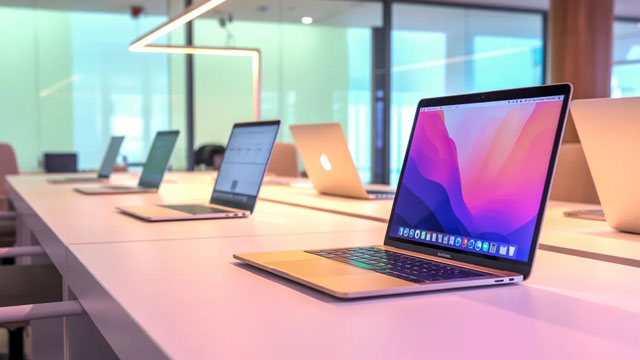
Ad pros say Apple's chaotic new commercial fails at what the brand once did best
Apple's latest ad, featuring a chaotic family scene, has viewers and ad pros divided. Some viewers said the ad for its HomeView device was stressful, while others found it relatable.

Apple Cut iPhone 18 Orders; What Does It Mean For Suppliers?
Apple TodayAAPLApple$345.04 +2.08 (+0.61%) As of 10:25 AM Eastern This is a fair market value price provided by Massive. Learn more.52-Week Range$243.42▼$348.15Dividend Yield0.31%P/E Ratio39.56Price Target$340.39Add to WatchlistShares of Apple Inc. NASDAQ: AAPL dipped on Oct. 9 after rumors swirled that the tech giant had trimmed production on components for its new iPhone 18 Pro phones due to slow demand.
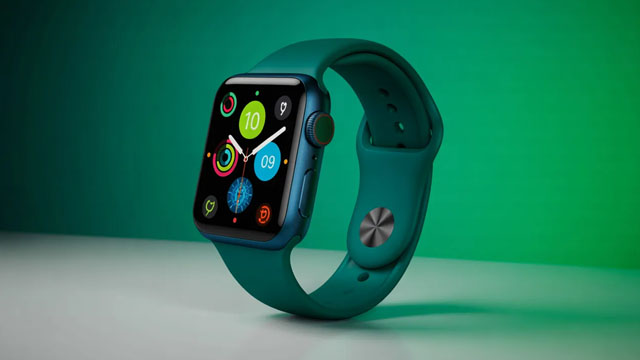
Apple Is Reportedly Bringing AI to China in December, but Not the New Siri
Apple is finally preparing to bring AI features to China after years of regulatory delays, but the version heading there is already two years old and missing the one feature that matters most to consumers.

AAPL & MSFT Outside the Top 10: How Tech ETF TTEQ Wins
At a time when the top 10 stocks in the S&P 500 make up 35 to 40% of the index by weight, and many of those names are in tech, it's fair for investors to ask how much more tech their portfolios can hold.
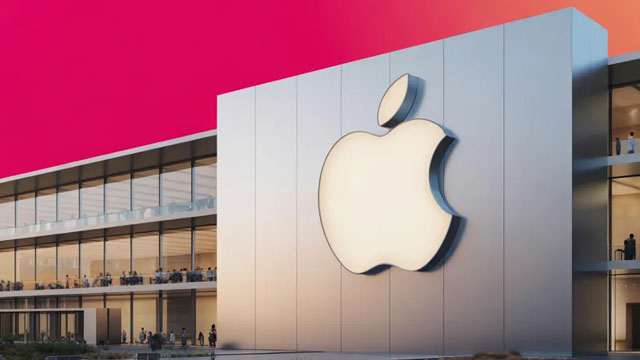
If You Invest $1,000 in Apple Today, Here's What It Could Be Worth by 2030
Apple just posted its ninth straight earnings beat and sits near all-time highs, but whether that momentum carries through 2030 depends on forces the market is already starting to question.
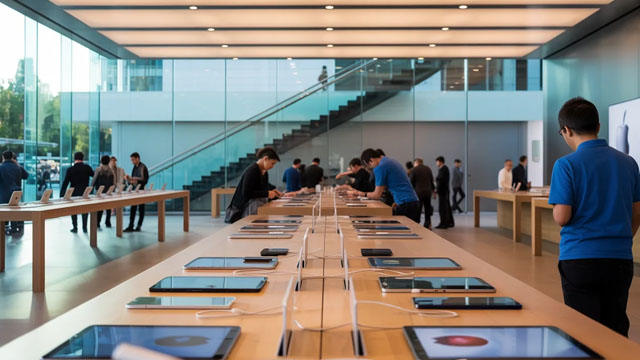
Apple Needs Just a 7% Gain to Become the World's Most Valuable Company
Apple and NVIDIA now sit within striking distance of each other at the top of the market cap rankings, but the reason one trades near its all-time high while the other lags tells a more complicated story about which giant

Wall Street Breakfast Podcast: CoreWeave CEO Defends The Math
CoreWeave (CRWV) CEO attributes the stock's sharp decline to irrational market behavior, emphasizing business model confidence and financial discipline. Apple (AAPL) closes above a $5T market value for the first time, joining Nvidia (NVDA) in this milestone and setting a high bar for new CEO John Ternus.

Polen Focus Growth Portfolio Q3 2026 Portfolio Update
In Q3 2026, the Portfolio returned 4.46% (net of fees) compared to 0.92% for the Index. Top relative contributors to the Portfolio's performance included ServiceNow, Shopify and Microsoft. By contrast, the largest relative detractors in the quarter were Nvidia, Apple (not owned) and Lam Research.

Apple tops US$5 trillion valuation as John Ternus takes the reins
Apple Inc (NASDAQ:AAPL, XETRA:APC) has become only the second company to close above a US$5 trillion market valuation, joining chipmaking giant Nvidia and marking a major milestone as new chief executive John Ternus takes charge. The iPhone maker's shares finished at a record high, lifting its market capitalisation to US$5.005 trillion, according to Dow Jones Market Data.




