



Apple Inc. (AAPL)













A Previously Banned Apple Watch Health Feature May Soon Make a Comeback
Apple has been embroiled in a six-year legal battle over one of its Apple Watch health apps. The end may finally be in sight.
Who Is John Ternus, Apple's New CEO?
John Ternus will become Apple's eighth CEO in September, continuing a tradition of internal promotion at the iPhone maker. Industry experts have long speculated that the 50-year-old Ternus would become Cook's eventual successor.
Tim Cook Steps Down as Apple CEO and John Ternus Will Takeover. What to Know
You could say Tim is turning over the reins. 🍎 After nearly 15 years as Apple CEO, Tim Cook is stepping down.

Jim Cramer says Tim Cook accomplished something 'almost impossible' as Apple CEO
CNBC's Jim Cramer praised Apple CEO Tim Cook for building "the greatest consumer-based enterprise in history." Cramer explained that under Cook's leadership, Apple not only increased shareholder returns, but also deepened its connection with customers in a way that is rare in corporate America.
From AI to iPhone Innovation: The Challenges Facing Apple's New CEO
When John Ternus takes Apple's top spot on Sept. 1, he'll be tasked with tackling some key hurdles.
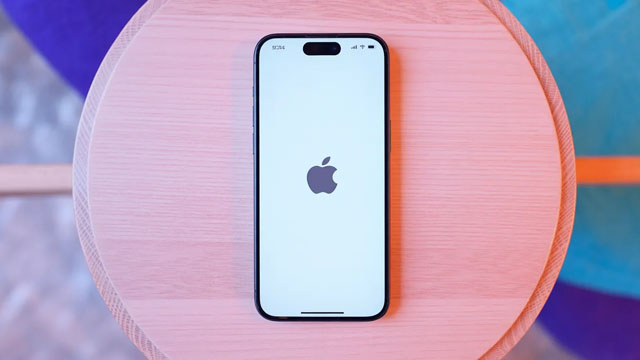
Apple (AAPL) Registers a Bigger Fall Than the Market: Important Facts to Note
Apple (AAPL) closed at $266.17 in the latest trading session, marking a -2.52% move from the prior day.
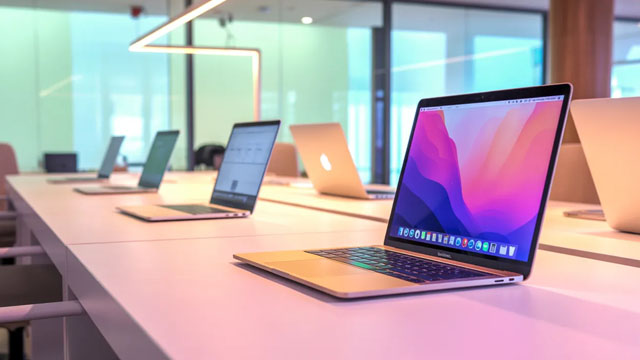
John Ternus Has Big Shoes to Fill at Apple. Luckily, Tim Cook Has a Playbook for That.
Cook, too, faced big doubts on whether he could successfully succeed an iconic leader. His early moves are a guide to how it's done.

Apple's elevation of silicon head Johny Srouji signals sprint to build in-house chips for all devices
Apple silicon lead Johny Srouji was promoted to the new role of chief hardware officer at the same time that John Ternus was named as the company's next CEO. It's the latest step in Apple's rapid march toward making chips for all of its key devices.

Apple CEO Shift: 4 Under-the-Radar ETF Plays
Apple Inc. (AAPL) announced Monday that Tim Cook will transition to executive chairman, while John Ternus will become CEO effective September 1. Ternus has served as senior vice president of hardware engineering since 2021.
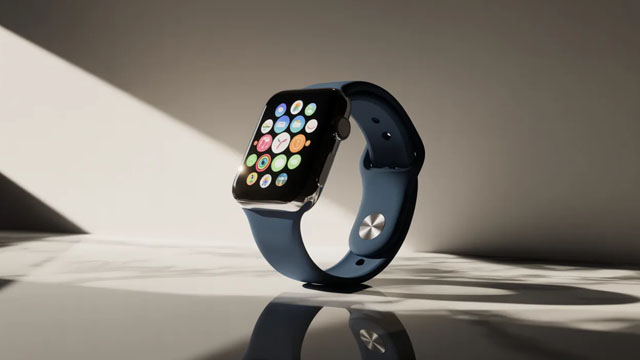
Apple CEO Tim Cook's 15-Year Legacy by the Numbers
Tim Cook took Apple to unprecedented heights during his 15-years at the top. Tom Mackenzie looks at his legacy in numbers -------- More on Bloomberg Television and Markets Like this video?
Apple CEO Tim Cook's 15-Year Legacy by the Numbers
Tim Cook took Apple to unprecedented heights during his 15-years at the top. Tom Mackenzie looks at his legacy in numbers -------- Like this video?
Tim Cook is stepping down as CEO of Apple. Here's a look at his 15-year legacy, from new products and services to China expansion.
After 15 years at the helm, Tim Cook is stepping down as CEO of Apple and handing over the reins to the company's senior vice president of hardware engineering, John Ternus. Cook, who joined Apple in 1998, succeeded Steve Jobs in 2011 and went on to transform Apple into a powerhouse worth $4 trillion.




