



Apple Inc. (AAPL)













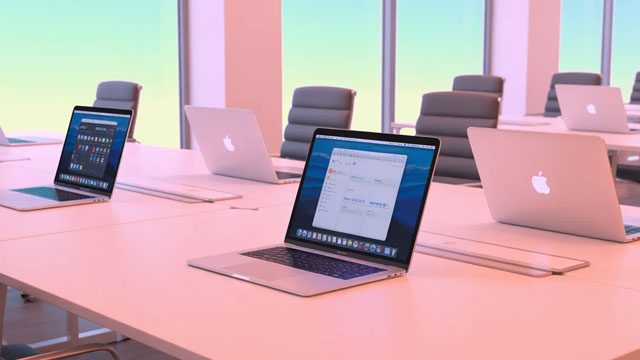
Apple retires well-known product after 20 years as it shifts strategy
Apple is retiring the Mac Pro after two decades, signaling a shift toward scalable desktops, in-house chips and higher-margin hardware.
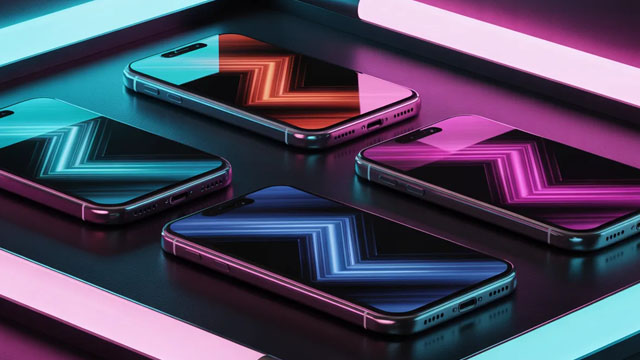
Apple at 50: Tech giant shows no signs of slowing down with AI the next frontier
Apple Inc (NASDAQ:AAPL, XETRA:APC) is celebrating its 50th anniversary on April 1, marking half a century of innovation that has transformed multiple industries and shaped modern digital lifestyles. From the launch of the Macintosh in 1984 to the iPod in 2001, the iPhone in 2007, and the Apple Watch in 2015, Apple has repeatedly redefined how consumers interact with technology, according to Wedbush analysts.
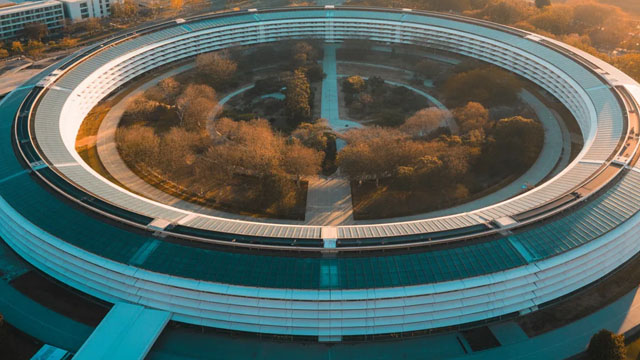
Apple's vibe-coding crackdown
CNBC's Deirdre Bosa delivers news regarding Apple.
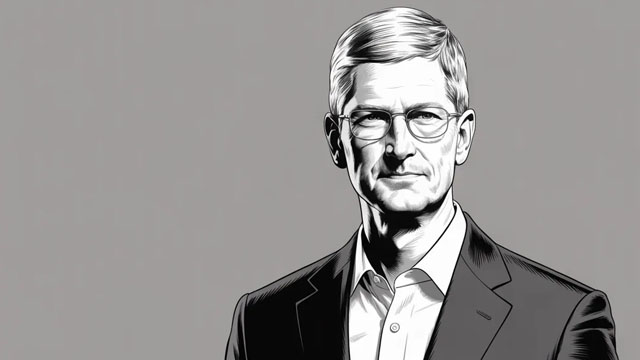
Apple Has Archives That Even Tim Cook Didn't Know About. We Went Inside.
From design prototypes of its biggest products to early patents, Apple's CEO gave us an intimate look at unseen items that help tell the story of 50 years of company history.
Five key questions Apple faces entering its second half-century
As Apple turns 50, the iPhone maker faces questions about succession, its role in AI and whether it can maintain a premium brand. The company's stock price is down more than the S&P 500 this year after underperforming the benchmark in 2025.

Iran threatens Nvidia, Apple and other tech giants with attack
U.S. tech companies have been threatened by Iran's Islamic Revolutionary Guard Corps (IRGC). Nvidia, Apple, Microsoft and Google were all included in the list.
One of Apple's First Employees Looks Back at 50 Years
In 1976, 14-year-old Chris Espinosa rode a moped to his job demonstrating computers made in Steve Jobs's childhood home. The company has changed a bit since then.
Apple's 50-year odyssey has redefined technology, pop culture and comeback stories
A scrawny hippie and a nerdy engineer who became prank-playing friends vowed to change the world when they founded a Silicon Valley startup on April Fools' Day 50 years ago and then—no joke—pulled it off.
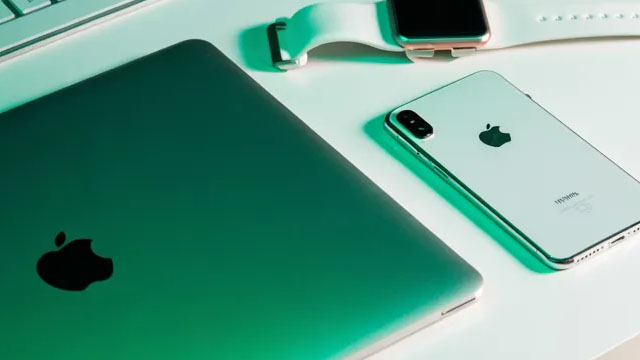
Apple's 50-year journey from garage to tech titan
In early 1976 in California, Steve Wozniak had just completed the design of a computer circuit board he intended to share with fellow hobbyists at a prominent local club. His friend Steve Jobs also saw a business opportunity to manufacture and sell the boards, and thus Apple was born.
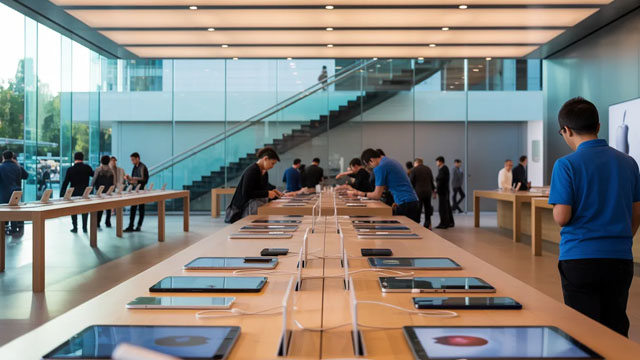
Apple (AAPL) Ascends But Remains Behind Market: Some Facts to Note
In the closing of the recent trading day, Apple (AAPL) stood at $253.79, denoting a +2.9% move from the preceding trading day.

Apple discontinues well-known product after 20-year run
Apple has discontinued its high-end Mac Pro desktop after a 20-year run.
Slow 2026 Starts Present Opportunities: AAPL, NVDA
Both NVIDIA and Apple have gotten off to sluggish starts in 2026, but the reality remains that both companies remain top-tier picks, underpinned by robust cash-generating abilities, favorable EPS revisions, and rock-solid demand outlooks.




