



Apple Inc. (AAPL)











2 Top S&P 500 Stocks to Buy on Market Dip: AAPL, MU
Since the long term bodes well for Apple (AAPL) and Micron Technology (MU) after the initial dip, it would be wise to invest in such growth stocks.
Buffett Cuts Apple Stake: What Should You Do With AAPL Stock?
Apple's (AAPL) AI push, growing Services business and strong liquidity position make the shares attractive for investors despite Warren Buffett reducing his stake by 50%.

Apple Q3: Berkshire's Divestiture Not The Real Problem, But It's A Clue
Berkshire Hathaway sold nearly 50% of its Apple Inc. holdings, but that's not the real issue at hand here. Apple's financials show declining shareholder equity, revenue growth issues, and declining capex, supporting my continued sell thesis after Q3 earnings. The lack of innovation, along with unstable profitability and cash flow growth, make Apple a risky investment.
If You'd Invested $5,000 in Apple Stock 5 Years Ago, Here's How Much You'd Have Today
Apple's stock has returned over 346% in the last five years. The shares have trounced the market.
Google monopoly ruling could help Apple defense in antitrust case
Apple could be the winner after Alphabet's Google lost its fight with the U.S. antitrust enforcers earlier this week, with a ruling that supports the iPhone maker's defense in its own antitrust court battle with U.S. prosecutors, legal experts said.

Looking For Bargains During Market Uncertainty With Steven Cress
Steven Cress emphasizes the importance of data-driven models over emotional reactions to volatile markets. Dividend stocks may face challenges in a prolonged bear market, but focusing on companies with strong dividend safety and growth grades can provide stability.
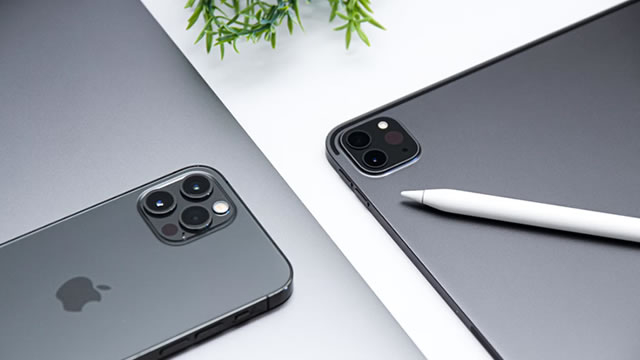
Google Ruling May Blunt Apple's Services Revenue and Ecosystem Growth
For years, tech juggernaut Apple has been building a services-focused ecosystem designed to offset bumpy, lumpy hardware sales and bring higher-margin dollars to its revenue streams. Take, for example, its search capabilities.

Hims & Hers Reports Stellar Quarter: Stock Set for a Rally
Most investors have had to worry about the accelerating sell-offs happening across the global stock markets this week, which aren't being encouraged by news from Warren Buffett's latest decisions. The Oracle decided to start decreasing its exposure to some of America's technology darlings, such as Apple Inc. NASDAQ: AAPL, which was cut by 50%, or Bank of America Co. NYSE: BAC.
A Large Cap Cheat Sheet as Tech Eyes Correction
Subscribers to Chart of the Week received this commentary on Sunday, August 3.

Apple's shift to AI is poised to soften blow from Google ruling
Google's defeat in an antitrust suit filed by the Justice Department has cast a shadow over partner Apple Inc., which generates roughly $20 billion a year in payments from the internet search giant.

Apple wants to rewire search with AI — and that may help cut the Google cord
For years, Apple has had Google as the default search engine on its devices. A new ruling threatens that arrangement, after a federal judge said Google's payments for that privilege were unfair.
Apple's Massive Growth Problem
Apple's core business is shrinking, and services are papering over that problem.




