





Aave

Aave USDC Liquidity Crisis Spurs Urgent Interest Rate Proposal from Circle Economist
Circles Chief Economist Gordon Liao has introduced a proposal to recalibrate Aaves USD Coin (USDC) interest rate model, aiming to resolve the ongoing liquidity crunch on Aave v3 Ethereum. The proposal comes after USDC utilization surged to nearly 100%, leaving less than $3 million in available liquidity and triggering concerns across the decentralized finance (DeFi) market.

$1B Flows Into SparkLend as Aave TVL Drops Post-Kelp Exploit
Following the Kelp bridge exploit on April 18, the DeFi lending landscape is undergoing a massive restructuring. Data from DefiLlama reveals that the SparkLend protocol recorded an inflow of over $1.4 billion in deposits, raising its Total Value Locked (TVL) from $1.89 billion to $3.3 billion as of April 22, 2026.

Aave Faces $15B Deposit Exodus Following Kelp Dao Exploit
Aave's supplied balance fell from $45.8 billion to $30.8 billion after the Kelp Dao exploit, driving roughly $15 billion in withdrawals from the lending protocol. The incident left Aave facing a potential rsETH-linked shortfall of about $123 million to $230 million, depending on how losses are ultimately allocated. SparkLend's TVL rose by $1.
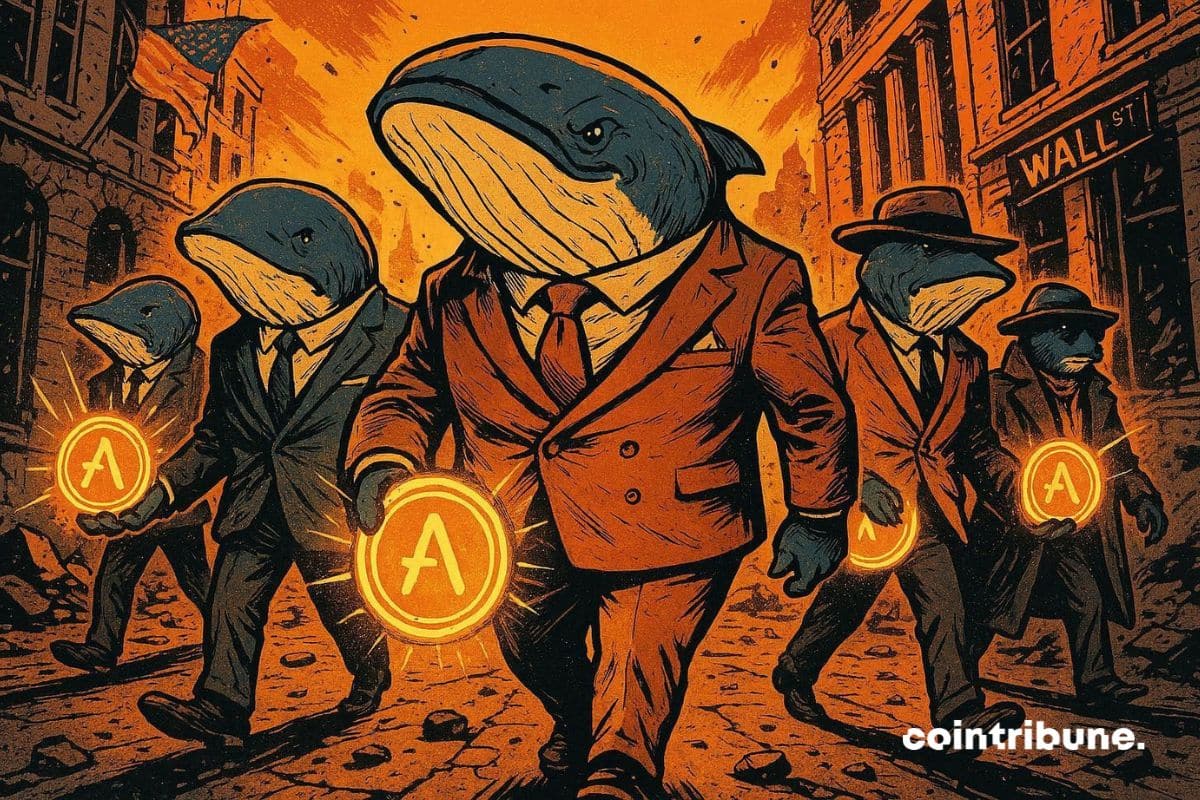
Crypto whales accumulate AAVE despite the crisis: Here's why
While the KelpDAO exploit causes Aave to drop 10 billion in TVL, whales are massively accumulating AAVE between $85 and $95.

Is Aave Price About to Break Down? On-Chain Data Flashes Bearish Signs
Aave has been under intense pressure following the recent KelpDAO exploit, which exposed vulnerabilities across the broader DeFi ecosystem. The attacker reportedly used a bridge-related flaw to mint fake collateral, borrow real ETH from Aave, and leave behind bad debt estimated at nearly $280 million.
Aave (AAVE) Suffers $15B Outflow After KelpDAO Bridge Exploit Paralyzes Markets
A devastating liquidity crunch has engulfed Aave, a leading decentralized finance lending protocol, following a security exploit on an external platform that unleashed a cascade of withdrawals, effectively paralyzing its primary markets.

Aave Is Down 18% And Carrying $196M In Bad Debt, But Smart Money Is Buying Anyway
Aave is having one of the worst weeks in its history. On April 18, attackers exploited a vulnerability in KelpDAO's rsETH bridge and deposited the stolen tokens as collateral on Aave V3, borrowing roughly $196 million in wrapped ether against assets the protocol had no reason to reject at the time.

Aave Holds Strong as Stakeholders Rally to Overcome KelpDAO Crisis
Aave has been impacted by the $292 million KelpDAO exploit, which intensified concerns over liquidity pressure and contributed to a notable decline in total value locked (TVL) across the protocol. A partial recovery effort led by the Arbitrum Security Council froze about $71 million in stolen ETH, easing immediate financial stress.

Aave's core markets hit 100% utilization at once, and that's not a good thing
CertiK says the lending protocol is in serious trouble while CEO Stani Kulechov tells CoinDesk he does “not have anything useful to say.”

AAVE whale dumps $3M at 38% loss – Is $90 support at risk?
A dormant AAVE whale returned after one year, and sold 32,415 AAVE, worth $3.01 million.
Whales Circle AAVE Amid Chaos: Is This Another Market Bottom Signal?
Extreme fear surrounds AAVE after exploit-driven outflows, but whale order clusters historically linked to market bottoms are reappearing.

Will Aave Users Get Their Money Back? One Analyst Has a Plan for Kelp's $230M Debt
Aave is sitting on up to $230 million in bad debt from the Kelp DAO exploit. The Umbrella safety reserve holds $80 to $100 million, according to analyst estimates. That gap has to come from somewhere, and right now, the options on the table are ugly for everyone involved. Depositors could take a haircut.




