





Aave

Babylon's Aave Plan Could Expose Wrapped Bitcoin Suppliers to Deficits
The proposed route keeps seized Bitcoin in escrow during redemption, which can take multiple days; no deficit has been reported.
Aave V4 opens dollar-euro borrowing on Circle's Arc network
Aave V4's new feature could enhance euro liquidity in DeFi, testing risk management and potentially influencing stablecoin market dynamics. Aave V4 opens dollar-euro borrowing on Circle's Arc network.

Aave (AAVE) 13 percent below its weekly high, Babylon applies for native Bitcoin as collateral in V4: what matters now
Babylon Labs wants to bring native Bitcoin into Aave V4 as collateral, without wrapping and without a custodian. The first $500,000 of annual revenue goes entirely to the Aave DAO.

Babylon wants Aave users to borrow against Bitcoin
Babylon proposes native Bitcoin lending on Aave V4, allowing BTC holders to borrow stablecoins without wrapping their coins, pending further votes.

Babylon Targets Aave V4 With Trustless Bitcoin Collateral
The ARFC proposal introduces native Bitcoin as collateral on Aave V4 through Babylon's Trustless Bitcoin Vaults (TBV) protocol. The architecture features two dedicated modules: the Babylon Spoke for stablecoin borrowing and the BTC Vault Swap Spoke for liquidations.

Aave Trades Below Short-Term Averages as Momentum Signals Mix
The MACD and signal lines were both 6.7153, while the 14-period RSI stood at 50.36.

Aave V4 Deposits on Circle's Arc Blockchain Surpass $300 Million
Deposits rose from $181 million in September. Aave V4 is deployed on Ethereum, Avalanche and Arc.

Coinbase Tokenized Stocks Add $4.9 Million to Aave V4 Hub
The Base market lets eligible non-U.S. users borrow USDC against seven Coinbase-issued stock tokens, which cannot themselves be borrowed.

Aave's Proposed USDG Collateral Rollover Carries 2.79% Implied Yield Against Higher Borrowing Rates
The proposed February Pendle token would replace collateral nearing maturity on Aave V3 X Layer, while most quoted stablecoin borrowing rates were higher in the Oct. 7 snapshot.

Aave's USDG rollover plan has a yield below most quoted borrowing rates
February PT yield trails three quoted funding rates; GHO was cheaper in the Oct. 7 snapshot, and replacement-token rewards remain unconfirmed.
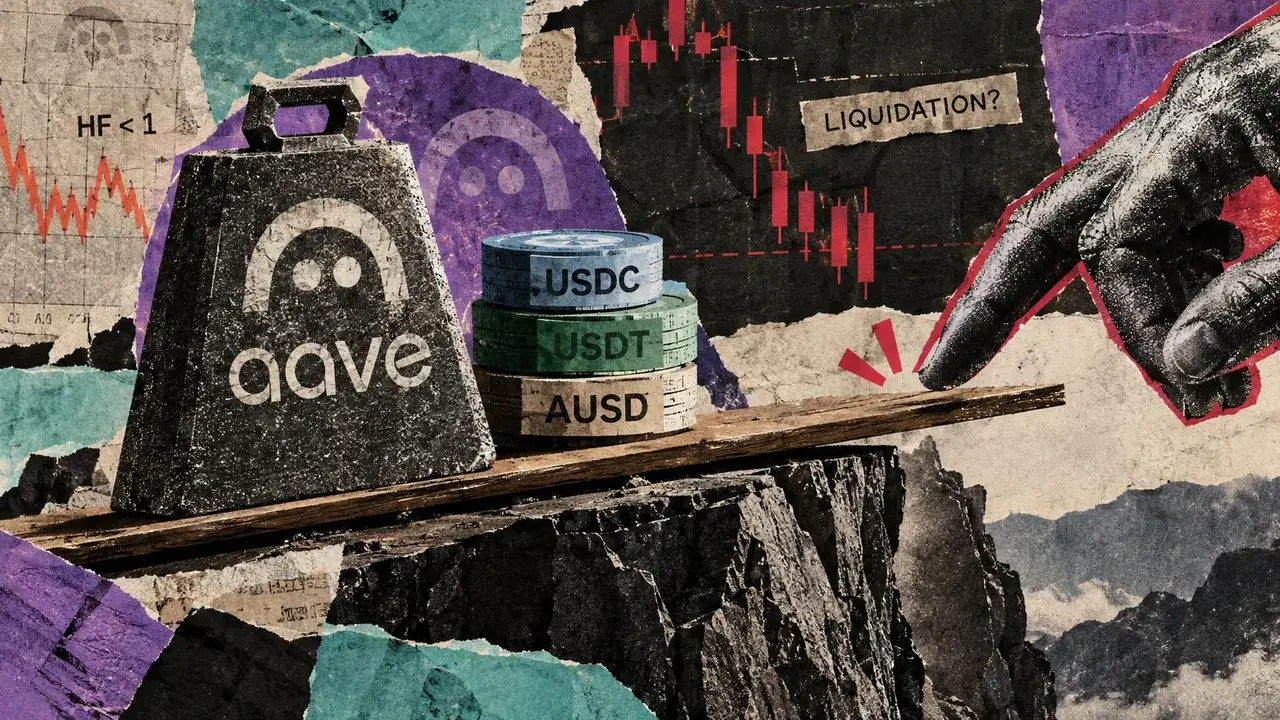
Some Aave loans sit near liquidation with collateral that can take hours to cash out
October 9 borrower snapshots put the focus on whether collateral sales or redemptions can fund stablecoin repayment.

Aave (AAVE) Holds Above Most Moving Averages as MACD Histogram Reaches Zero
AAVE gained 4.51% to $174.38 on Oct. 10, while derivatives positioning showed falling open interest and a positive funding rate.




