



AbbVie Inc. (ABBV)









2 Dividend Aristocrats Bargains To Buy And 'Never Let Go'
Buying Dividend Aristocrats at bargain prices can be a winning investment strategy. I highlight two such names that are undervalued compared to historical norms while paying strong and well-covered dividends. Both carry moat-worthy attributes and provide economically essential products and services that make them recession resilient.

I'm Buying Dividend Giants At Huge Discounts
Now is a great time to be an income and value investor, particularly in the energy and pharmaceutical spaces. I highlight 2 undervalued names that provide well-covered dividends with a strong growth outlook. The market seems to be overly rotated on near-term headwinds while ignoring the long-term growth drivers, resulting in a dislocation between price and value.
AbbVie's migraine drug meets main goal of late-stage study
AbbVie said on Wednesday its migraine drug met the main goal and was superior to a generic drug in a head-to head late-stage trial.

Here's Why AbbVie (ABBV) Fell More Than Broader Market
In the most recent trading session, AbbVie (ABBV) closed at $185.48, indicating a -2.82% shift from the previous trading day.
AbbVie's Venclexta Misses Goal in Myelodysplastic Syndromes Study
Venclexta fails to meet survival goals in ABBV's phase III MDS study, marking another clinical setback for the cancer drug.
Is AbbVie (ABBV) a Buy as Wall Street Analysts Look Optimistic?
The recommendations of Wall Street analysts are often relied on by investors when deciding whether to buy, sell, or hold a stock. Media reports about these brokerage-firm-employed (or sell-side) analysts changing their ratings often affect a stock's price.
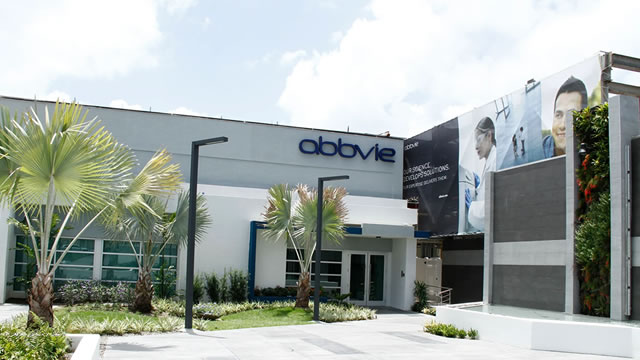
AbbVie's Diversification Strategy Cushions Venetoclax MDS Blow
AbbVie remains a Buy despite venetoclax's MDS trial failure, as this setback has minimal impact on current revenue and growth outlook. SKYRIZI and RINVOQ are successfully replacing HUMIRA's lost revenue, driving robust year-over-year growth and demonstrating AbbVie's R&D strength. AbbVie's diversified pipeline, strategic partnerships, and expansion into oncology and neuroscience provide multiple growth drivers beyond immunology.

Here's Why AbbVie (ABBV) is a Strong Value Stock
Wondering how to pick strong, market-beating stocks for your investment portfolio? Look no further than the Zacks Style Scores.
5 Large Drug Stocks That Are Poised to Ride on Sector Recovery
In the Large-Cap Pharmaceuticals industry, AbbVie, Novartis, Pfizer, Sanofi and Bayer are worth retaining amid macro pressure and rising innovation.
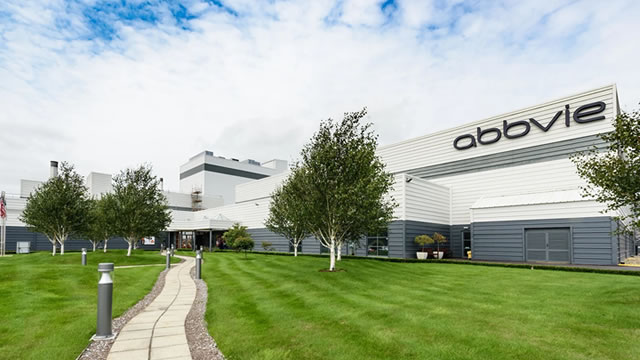
AbbVie: Margin Clarity, Dividend Durability Awaited
AbbVie's top line is stable post-Humira, with Skyrizi and Rinvoq driving growth, but margin recovery remains uncertain and slow. Pipeline and acquisitions support long-term growth, but macro risks like IRA pricing and pharma tariffs could pressure margins further. Dividend yield is attractive, but potential recent cash flow weakness raises questions about sustainability if not transitory; capital allocation needs watching.

AbbVie Moves From Blockbuster Loss To Market Domination
Skyrizi and Rinvoq are rapidly replacing Humira, generating over $5 billion in Q1 2025 alone. From migraine to Parkinson's and obesity, AbbVie is building dominant franchises across multiple high-growth areas. With 42% operating margins, $20B in free cash flow, and a 3.4% dividend yield, AbbVie offers both growth and stability.

AbbVie: A Biotech Powerhouse Generating Explosive EPS And Dividend Growth
AbbVie is undervalued, trading at under 16x 2025 earnings, despite robust EPS growth, a strong pipeline, and successful Humira diversification. Skyrizi and Rinvoq are driving immunology revenue, expected to surpass $15 billion by 2027, with neuroscience and oncology portfolios also showing strong growth. AbbVie has delivered 11 consecutive years of dividend increases, with a 7.23% five-year CAGR and a current yield of 3.43%, rewarding shareholders consistently.




