



Aeluma Inc. (ALMU)
 NASDAQ (CM) NASDAQ (CM) Primary


5 Stocks to Buy in May Before the Next AI Surge Hits
April came to a quick end, with the S&P 500 up by approximately 10% and breaking out to fresh highs. The near-term technicals are very bullish, pointing to additional upside by mid-year, and the 7,500 target may be easily surpassed.
Aeluma: Speculative, But With Two Layers Of Very High Reward/Risk
Aeluma (ALMU) offers disruptive compound semiconductor technology targeting high-growth markets like sensors, data centers, and quantum computing, with a current pre-commercial status. I rate ALMU as a 'Buy' based on a five-year base-case CAGR of 44.6%, citing a reward/risk ratio above 5:1, or even ~29:1 in optimistic scenarios. ALMU's partnerships with Tower Semiconductor and Sumitomo Chemical enhance scalability, but extreme uncertainty persists due to competition, supply risks, and lack of commercial partners.
Aeluma's Market Is Laser-Focused on Fresh Highs—Here's Why
Aeluma's NASDAQ: ALMU market is laser-focused on fresh highs, as its execution strategy and pathway to commercialization have been accelerated. A contract from the U.S. government worth $4 million provided non-dilutive funding to accelerate the conversion of its semiconductor heterogeneous integration platform, a big word for the most advanced semiconductor packaging on the planet.
Aeluma: Optical Bottleneck Platform Market Still Misprices- Supply Chain Bet, Not Science Bet
Aeluma (~$230M market cap) is mispriced as a science project, yet positioned at the manufacturing-constraint layer of AI optics. The bottleneck is not device performance—it is packaging, qualification, and multi-fab portability, where most photonics platforms fail to scale. Aeluma's III-V-on-silicon platform enables silicon-native manufacturing and packaging compatibility, addressing the core scaling constraint.

Aeluma: Unlocking Scalable Photonic Manufacturing
Aeluma leverages heterogeneous integration to manufacture compound semiconductors on standard silicon wafers, enabling lower costs and compatibility with existing infrastructure. ALMU's technology is validated by six government R&D contracts and a commercial partnership with Thorlabs, demonstrating both commercial and defense sector traction. With a strong patent portfolio and significant addressable markets in AI, quantum computing, and LiDAR, ALMU is positioned for rapid revenue growth as manufacturing scales.

Nvidia's $4B Optics Push And Capacity Constraints Are Tailwinds For Aeluma
Nvidia recently committed roughly $4B to secure photonics supply chains, including equity investments and multiyear capacity agreements with key optical suppliers such as Aeluma, Inc. Coherent Corp. and Lumentum Holdings both warn that indium phosphide (InP) wafer and device capacity may remain constrained for years, even after aggressive fab expansions. Photodetectors sit in the same InP-dependent ecosystem as high-power lasers, making receive-side device supply an underappreciated bottleneck as optical interconnect demand accelerates.
5 Hot Buys Ready to Spring Higher in March
Spring is about to be sprung, and along with it come several hot buys for traders and investors. The questions to be answered include what drives the market, the catalysts at hand, and how high the stock may go.

Shedding Light on Aeluma's Stock Price Outlook
Aeluma's NASDAQ: ALMU stock price outlook is bright—it's only a matter of execution and timing. The company's technology is critical to AI advancement and potentially disruptive across industries.
Aeluma: Separating Signal From Noise Amid An Unjustified Retreat
Aeluma's ~30% two-week pullback appears driven by thin float and high-beta de-risking, not negative company-specific developments. Aeluma is transitioning from a science project toward early commercialization, where milestone progression matters more than quarterly noise. At sub-$300M equity value, the market heavily discounts the likelihood Aeluma's III-V-on-silicon platform becomes a meaningful supplier.

Aeluma: When A Semiconductor Story Stops Being A Science Project
Aeluma Management's tone has shifted materially over the past three reporting events — from cautious validation to confident execution. Customer behavior now confirms commercialization — discussions have moved from evaluation to integration planning, a pre–design-win inflection that typically precedes revenue visibility. Precise timing is impossible, but success seems inevitable. Execution risk is falling faster than the stock reflects — multiple late-stage programs are advancing toward 2026 qualification, undermining the market's lingering “science project” narrative.
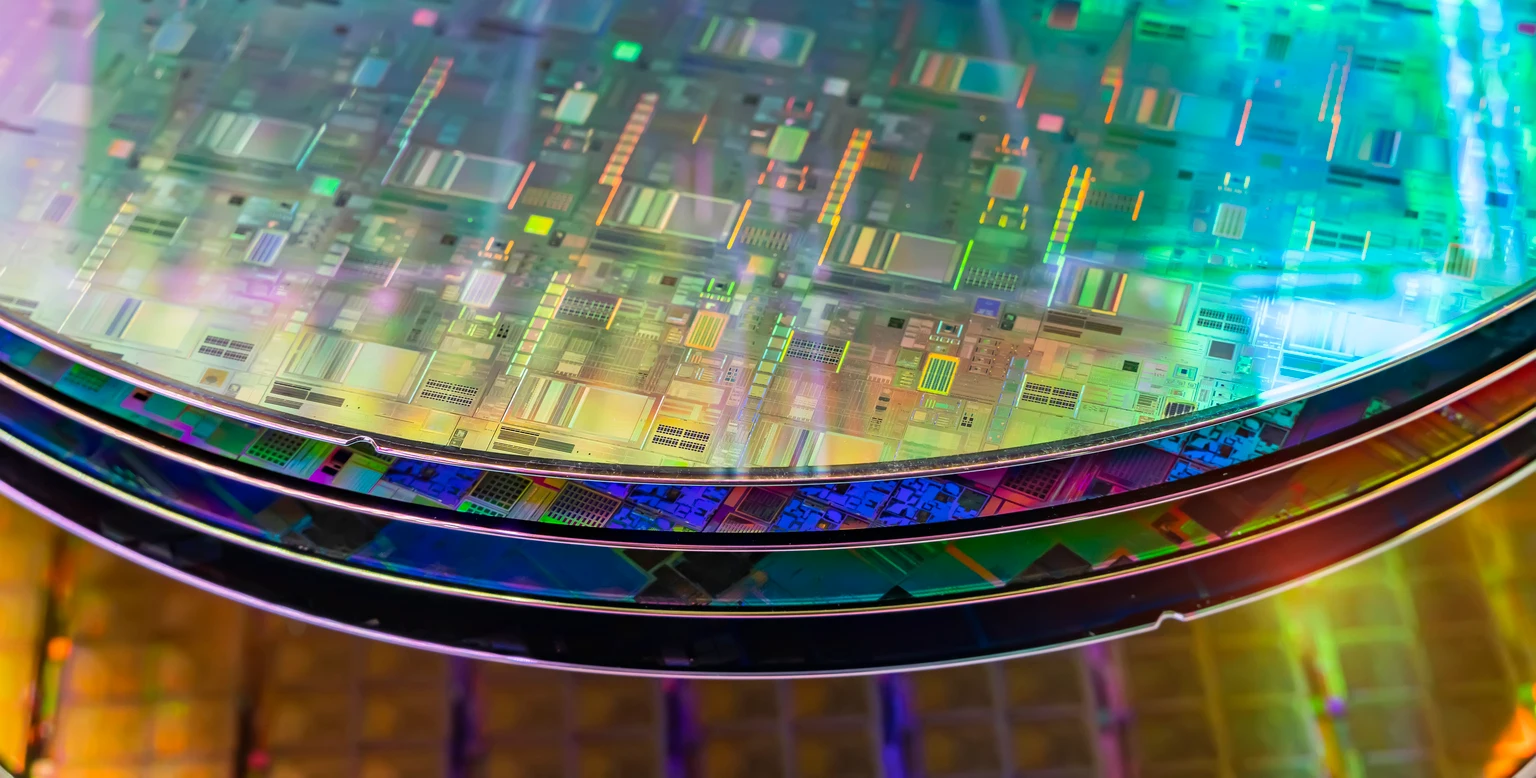
Aeluma: The Recent Dip Is A Good Opportunity To Participate In This Intriguing Long-Term Story
Aeluma, Inc. has outperformed semiconductor and micro-cap peers in 2025 by 3-5x, delivering over 80% YTD returns and also gaining inclusion in the Russell 3000. ALMU's proprietary semiconductor tech enables cost-effective, large-scale production for high-performance applications and caters to a serviceable addressable market that is projected to grow at a 47% CAGR through this decade. Despite an unappealing current revenue base and lack of operating profits, ALMU boasts strong cash reserves, no debt, and high-profile R&D contracts with NASA and the US Navy.




