



Advanced Micro Devices Inc. (AMD)















Analyst Praises AMD-Partner Absci's Practical Approach, Sees 118% Stock Upside
Needham analyst has initiated coverage on Absci Corporation ABSI, a drug and target discovery company that harnesses deep learning AI and synthetic biology to expand proteins' therapeutic potential.

Why AMD could surprise Wall Street with better-than-expected earnings
AMD is under heavy pressure to defend its stock-market valuation.
If You Invested Just $1,845 in AMD Stock 10 Years Ago, Here's How Much You Would Have Today
Advanced Micro Devices (NASDAQ:AMD) is having a shockingly bad year.

Tech Titans in Chips: 3 Semiconductor Stocks Worth Buying Now
The technology sector, and more specifically, the semiconductor industry, is a foundational element of modern economies and a hotbed of innovation and profit potential. As demand continues to soar from sectors like electric vehicles (EV) and artificial intelligence (AI), identifying the key players within this transformative terrain becomes a vital consideration for investors looking for long-term growth and substantial returns.

Prediction: AMD Stock Will Grow Its AI Chip Revenue, but Not as Quickly as Investors Hope
In today's video, I discuss Advanced Micro Devices (AMD 2.55%) and my thoughts for the upcoming year. To learn more, check out the short video, consider subscribing, and click the special offer link below.

AMD's Stock Is Trading Near Its 52-Week Low. Is Now the Time to Buy?
In this video, I will cover the recent updates regarding Advanced Micro Devices (AMD 2.55%). Watch the short video to learn more, consider subscribing, and click the special offer link below.
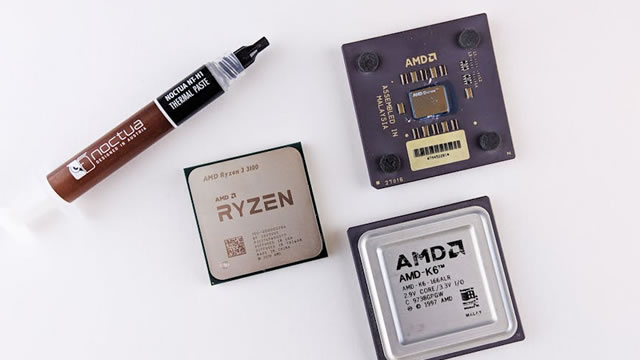
AMD: DeepSeek Is A Big Deal
AMD shares have fallen 23.37% since October, mainly due to concerns about competition with Nvidia's Blackwell chips, but AMD can still compete effectively. Breakthroughs from DeepSeek V3 model significantly reduce AI training costs, positioning AMD GPUs as an even more cost-effective alternative to Nvidia's, enhancing AMD's market position. AMD's forward P/E ratio is undervalued, and aligning its PEG ratio with the sector median could lift its valuation by approximately 130.49%.
AMD: Loop Capital's Buy Rating Reinforces Investor Confidence
MarketBeat keeps track of Wall Street's top-rated and best performing research analysts and the stocks they recommend to their clients on a daily basis.
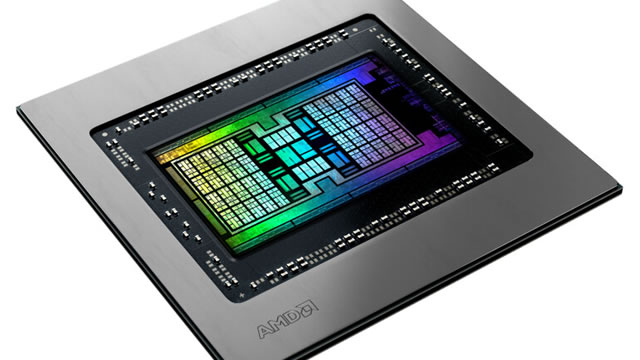
Is AMD The Most Underrated Stock Of 2025
AMD's shares are under pressure due to AI competition, but the company is gaining market share in server CPUs. AMD's valuation is attractive, trading below its 15-year average P/E, with strong EPS growth expected in the coming years. AMD's AI GPUs cater to cost-sensitive markets, offering a competitive edge against Nvidia's high-end products.
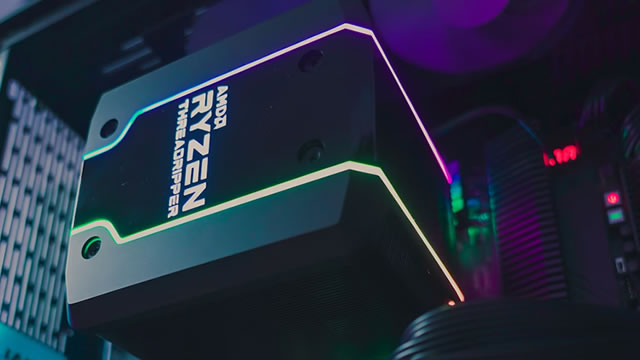
AMD Could Skyrocket With Advent Of Reasoning Agents
Reasoning models like OpenAI's "o1" demand exponentially more inference compute, which benefits AMD due to its superior memory bandwidth and latency capabilities. AI agents could further amplify inference demand, making AMD's hardware crucial for handling these complex, iterative tasks. AMD's modular chiplet design offers significant advantages in managing the increased inference loads, positioning it as a strong investment in the evolving AI landscape.
AMD's AI Chip Sales Might Disappoint in 2025
Advanced Micro Devices (AMD 2.55%) has emerged as the No. 2 player in the artificial intelligence (AI) accelerator market, although it remains far behind Nvidia.
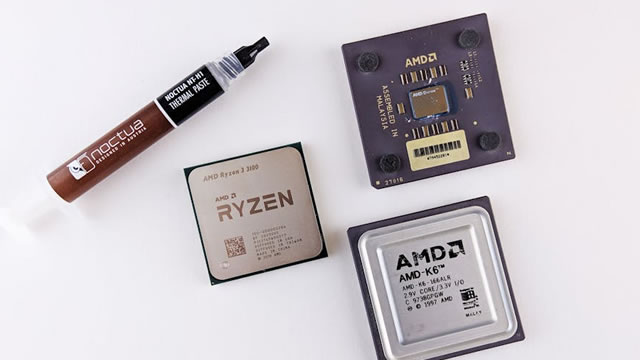
AMD's Struggling Gaming Business Could Take Another Hit This Year
A lot is going right for Advanced Micro Devices (AMD 2.55%) right now. The company has been gaining share in the PC CPU market, its server CPUs have been selling well, and its AI accelerators have quickly turned into a multibillion-dollar business.




