



Advanced Micro Devices, Inc. (AMD)
















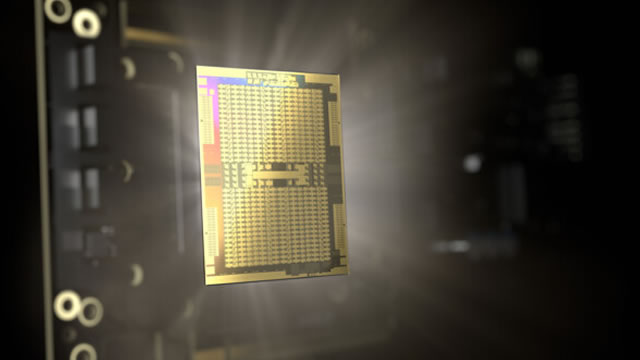
AMD Is Up 187% This Year: Take Profits, or Buy More?
Advanced Micro Devices (NASDAQ:AMD | AMD Price Prediction) has been one of the year's most striking stock stories, with a run that has left the semiconductor sector and the broader large-cap technology sector well behind.
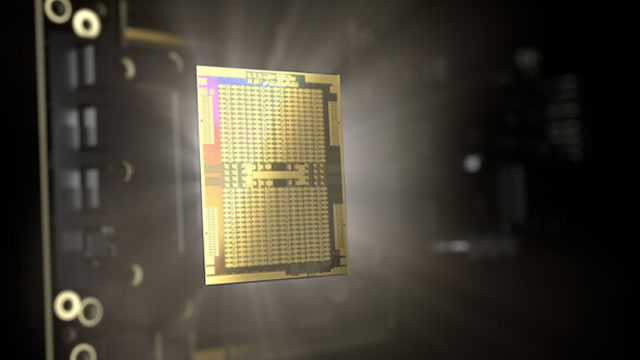
AMD Just Cracked $1 Trillion and One Strategist Says $750 Is Next
A top strategist just structured a trade on AMD that stops paying him the moment his own price target is hit, and that contradiction reveals something important about where this stock actually goes from here.
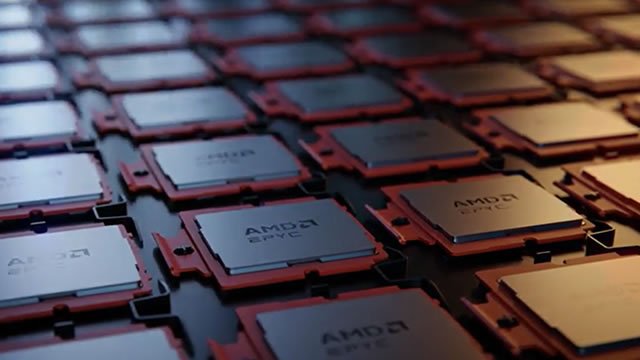
Pay Attention, Wall Street Is Actively Re-Rating AMD as It Crosses $1 Trillion
AMD just crossed a trillion-dollar market cap and the sell side is scrambling to rewrite its models in real time, but the gap between the bulls racing to raise targets and the bears warning of a blow-off top has never

Price Prediction: Marvell, AMD & Broadcom- Our Bold Price Predictions for 2027
Marvell, AMD, and Broadcom are all sitting above Wall Street's consensus targets right now, yet one bold analyst sees each of them with meaningful room left to run before 2027 ends.

AMD, Intel, Salesforce, GameStop, and More Stocks That Explain Today's Market
AI stocks slide as investors opt to lock in some profit following Monday's record-breaking rally.
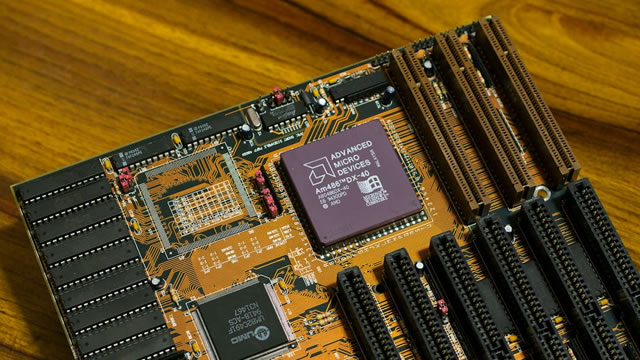
Should Investors Chase the AI-Fueled Rally in AMD or META Stock?
AMD and META were two of Monday's biggest mega-cap winners, with both stocks surging roughly 10% as enthusiasm around artificial intelligence returned in force.
AMD Joins the $1 Trillion Market Cap Club
Advanced Micro Devices joined the $1 trillion market-cap club Monday as its stock soared.
Prediction: AMD's Biggest Growth Opportunity May Still Be Ahead
AMD just posted the most consequential quarter in its history and Lisa Su says the company is tracking ahead of its own targets, yet the stock sits 5% below its peak with Wall Street split on what comes next.
AMD Up 155% YTD on Record Revenue, AI Demand
Shares of Advanced Micro Devices, Inc. (AMD) up 5,093% since 1992's initial outlier inflow.

AMD Jumps 7% as Semiconductor Rebound Reaches a Third Session; Broadcom Rises 3%, NVIDIA Edges Higher
Advanced Micro Devices (NASDAQ:AMD | AMD Price Prediction) is leading a third consecutive session of gains for semiconductor stocks, with AMD stock up 7% to $548.76 in Thursday afternoon trading.
AMD: The Biggest Winner Of Intel's Price Hike
Advanced Micro Devices, Inc. benefits from Intel's repeated PC CPU price hikes, creating a favorable pricing environment for AMD's products. AMD's server CPU market TAM estimate has surged to $220B by 2030, with management targeting over 50% share and a $100B server business. Supply constraints, not demand, are the primary growth limiter for AMD, with robust ecosystem investments and advanced packaging initiatives underway.
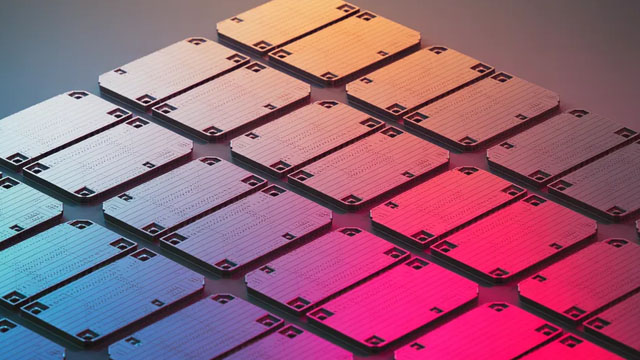
Nebius announces higher rates for Nvidia GPUs and AMD CPUs
Nebius Group NV (NASDAQ:NBIS) has notified customers of plans to increase prices across its on-demand GPU cloud services, with the new rates scheduled to take effect on October 1. Under the latest adjustments, prices for Nvidia Corp (NASDAQ:NVDA, XETRA:NVD) H100 instances will rise by about 17%, while rates for the newer Nvidia B300 GPU will rise by about 21%.




