



Amazon.com Inc (AMZN)


















U.S.-China De-escalation: Markets Rip Higher
This de-escalation in the burgeoning trade war has opened the floodgates to stock buyers this morning.
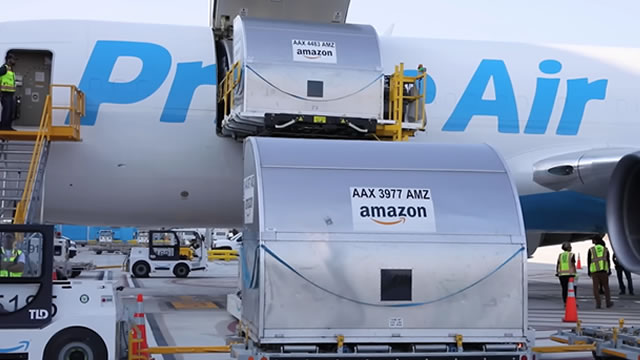
Amazon's Project Kuiper: Tariff Catalyst And The $457 Billion Battle With Starlink
Today's U.S.–China tariff rollback could ease pressure on Amazon.com, Inc.'s retail margins and act as a near-term catalyst for AMZN stock. Project Kuiper, Amazon's $10 billion initiative, aims to deploy 3,236 LEO satellites to provide high-speed internet to underserved areas globally, competing with Starlink and OneWeb. Kuiper integrates with AWS, enhancing global cloud service delivery, benefiting remote operations like energy companies and humanitarian organizations, and opening new revenue streams.

We asked DeepSeek AI what will be Amazon stock price end of 2025
Amazon (NASDAQ: AMZN) has recorded a strong recovery since hitting lows near $167 in mid-April. The Monday, May 12, pre-market rally supercharged the equity, as it rose 9.10% from its latest close at $193.06 to its press time price of $210.62.
Amazon (Nasdaq: AMZN) Futures Point to 8% Share Price Gain on May 12
Amazon‘s (Nasdaq: AMZN) stock price is poised to soar when markets open on Monday.
Amazon Stock Surges. Why It's a Mag 7 Outperformer on Tariffs Deal.
Amazon was outstripping its Magnificent Seven peers such as Microsoft, Alphabet and Meta Platforms as the market welcomed news of a U.S.-China truce on tariffs.

Why Wall Street's Doubts On Amazon Are Your Golden Opportunity
Amazon stock outperformed the S&P 500 since my January "Buy" call, rising 24.68% versus 16.5%, with recent dips offering an attractive entry point due to strong fundamentals and reduced valuation. Q1 results validated Amazon's business expansion, with sales up 8.62% YoY, EBIT up 20%, and non-GAAP EPS surging 62%, beating consensus by 16.7%, driven by AWS and cost control. Amazon Ads now contributes nearly 9% of revenue, growing 19% YoY, while AWS's 17% YoY growth and heavy AI infrastructure investment signal robust future monetization and cloud dominance.

2 No-Brainer Reasons Why Amazon Is a Must-Own Stock
Amazon (AMZN 0.55%) is one of the least understood big tech companies. Everyone is familiar with its e-commerce platform and most probably use it weekly.

The Stealthy Lab Cooking Up Amazon's Secret Sauce
The online giant bought a mysterious chip startup 10 years ago. It now looks like one of the smartest deals in tech history.
Amazon: Buying Opportunity Knocking At The Front Door Again
The S&P 500 has rebounded swiftly from April's tariff-induced bear market, with Amazon stock showing resilience and consolidation above April lows. Amazon Web Services (AWS) remains a key profitability driver, helping to mitigate the headwinds linked to the trade turmoil. AMZN continues to trade at an attractive level, closer to the lows it fell to in late 2023.
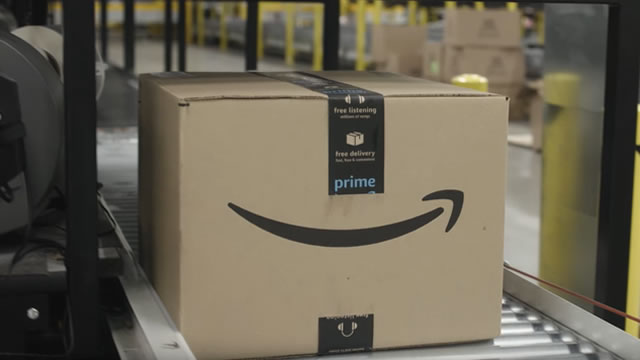
Amazon (NASDAQ: AMZN) Stock Price Prediction in 2030: Bull, Bear, & Baseline Forecasts (May 9)
Amazon.com Inc. (NASDAQ: AMZN) has been one of the stock market's biggest success stories ever.
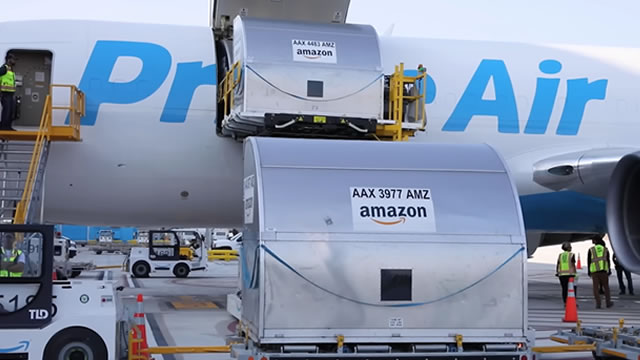
Amazon's Operating Margins Continue To Improve
Amazon's 1Q25 results show improved operating margins Y/Y, with North America at 6.3% and international at 3%. Valuation concerns include increased capex and slowing non-AWS growth, but potential operating margins of 8% for non-AWS segments suggest strong future earnings. With a market cap below the valuation range, Amazon stock is a buy for long-term investors holding for at least three years.

Amazon Issues Mixed Q2 Guidance: Buy, Sell or Hold the Stock?
AMZN posts strong Q1 results, but issues mixed Q2 outlook. With premium valuation and tariff concerns, you can hold or wait for pullbacks if looking to buy.




