



Amazon.com Inc (AMZN)





















Amazon delays return-to-office in some cities due to lack of space
Some Amazon workers won't be back in the office five days a week when the company's new RTO mandate goes into effect next month.
Analysts update Amazon stock price target
One of the largest publicly-traded companies in the world, Amazon (NASDAQ: AMZN), has seen impressive gains since it held its Q3 2024 earnings call on October 31. The price of Amazon stock increased from $186.40 at that time to $231.14 by press time — equating to a 24% surge.

November Sales Signal Stellar Holiday Season: 4 Retail Stocks to Buy
November's retail sales growth offers an opportunity to invest in stocks, such as ANF, DECK, GAP & AMZN, which are likely to benefit from improved consumer activity.
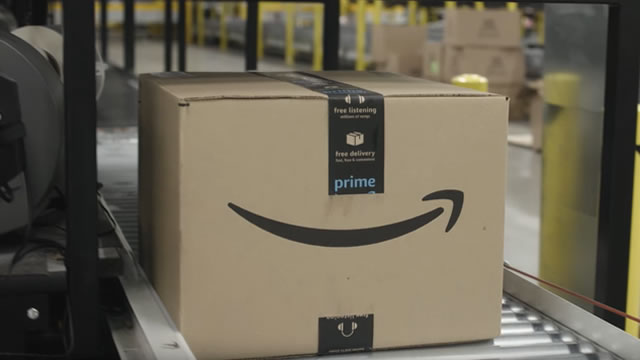
Amazon unveils new packaging for its devices, reducing the use of plastic, ink and bleach
Some boxes delivered by Amazon will have the same look on the inside as they do on the outside as devices from the company are being packaged in new-look materials that are more sustainable.

Advisors Capital's JoAnne Feeney on her top stock picks: AVGO, AMZN, TGT
JoAnne Feeney, Advisors Capital Management partner and portfolio manager, joins 'Squawk Box' to discuss her top stock picks ahead of the opening bell on Wednesday.

Amazon Stock Is Too Expensive Amid Trainium3 Diversifying The AI Chip Market
AWS's Trainium3 chips and Project Rainier supercomputer position Amazon as a major AI compute leader, challenging Nvidia while advancing Western AI leadership. Despite long-term AI-driven growth, Amazon's current valuation reflects over-optimism. Near-term EV-to-EBITDA compression and moderate CAGR pose risks. AWS may eventually outpace Amazon's e-commerce revenues, but volatility and AI investment risks warrant a Hold rating until valuation aligns with growth potential.

Buy These 5 Retail Stocks With Upside for 2025 as Sales Continue to Grow
Retail stocks like AMZN, GAP, WSM, TPR and URBN are poised to gain from the surge in retail sales.
Amazon's Success Threatened by Strikes
Unions have used work stoppages at Amazon.com Inc. (NASDAQ: AMZN) more than once in an attempt to improve pay and benefits.

Prediction: These 2 Magnificent S&P 500 Growth Stocks Will Crush the Market Over the Next 5 Years
The S&P 500 index includes the stocks of 500 of the largest U.S.-based companies, and it's frequently treated as the benchmark for overall stock market performance. The index has risen roughly 106% over the past five years (total return).

Amazon investing another $10 billion in Ohio-based data centers
Amazon Web Services will invest another $10 billion to bolster its data center infrastructure in Ohio.
AT&T follows Amazon in cracking down on remote work with 5-days-in-office mandate
AT&T is requiring many office employees to work on-site a full five days a week starting in January. The telecom giant previously accommodated a hybrid schedule in its return-to-office push.
Amazon workers across US gear up to strike this week, days before Christmas
Move comes after company failed to meet deadline to begin contract negotiations with workers in Staten Island




