



Amazon.com Inc (AMZN)


















3 Nuclear Energy Stocks Powering the AI Boom in June
AI hyperscaler CapEx spending is now the single biggest variable in the U.S.

In 5 Months, Big Tech Has Borrowed More Than In the Last 5 Years
Artificial intelligence is reshaping nearly every corner of the technology industry, but it is also transforming corporate finance.
Amazon's Dual Threat: E-Commerce Efficiency Meets AWS AI Dominance
Amazon is positioned as a leading beneficiary of accelerating AI adoption, with AWS and e-commerce both delivering robust growth. I reiterate a strong buy rating, citing recent volatility as a clear buying opportunity ahead of visible AI-driven catalysts. Q1 revenue grew 17% YoY to $181.5B, with operating income up 30% and AWS sales accelerating to 28% YoY growth.
Amazon (AMZN) Ascends But Remains Behind Market: Some Facts to Note
In the most recent trading session, Amazon (AMZN) closed at $241.35, indicating a +1.41% shift from the previous trading day.
Amazon Adds AI Image Search to Its Shopping App
The shopper who can't remember the word “cowl neck” or doesn't know what “rattan” means has always been the hardest customer to serve. Amazon just built a tool for her.
Amazon Positions Logistics as AI Shopping's Ultimate Moat
Ecosystems now scale more efficiently than stores, and that new reality is transforming retail. Amazon announced Wednesday (June 10) that it is expanding its Supply Chain Services platform with a less-than-truckload (LTL) freight offering that allows businesses to move goods beyond Amazon's own fulfillment network and into third-party warehouses, distribution centers and retail locations.
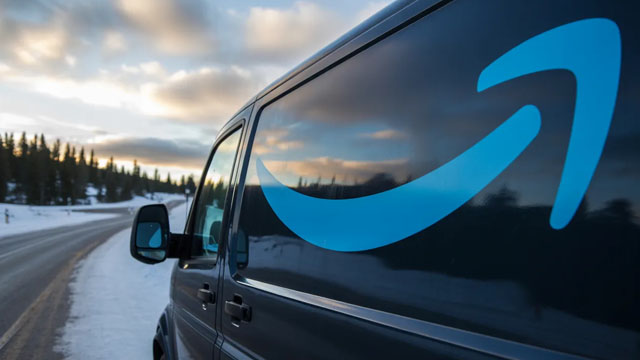
Amazon expands supply chain services with less-than-truckload freight offering
Amazon.com Inc (NASDAQ:AMZN) is broadening its logistics ambitions, adding a less-than-truckload freight service to its Amazon Supply Chain Services platform that allows businesses to ship goods to any third-party warehouse, distribution centre, or retail partner. The move taps into Amazon's existing transportation infrastructure, including more than 80,000 trailers and 24,000 intermodal containers.
Amazon: Let's Focus On Leo Amid SpaceX Hype
Amazon.com, Inc. is nearing an operational tipping point with its Leo satellite network, offering a Starlink-like growth catalyst at a lower valuation. Leo's full-scale satellite deployment accelerates in 2025–2026, with commercial revenues expected to begin in 2026 and significant synergy potential across Amazon's ecosystem. Super-investors are accumulating AMZN, with the stock now the most owned by weight among tracked funds and recent large position increases by top holders.
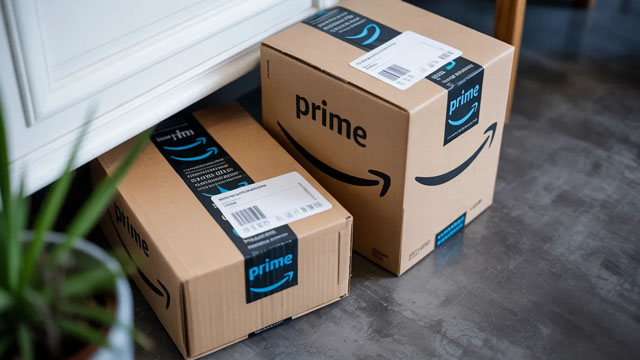
Amazon Says Its Data Centers Used 2.5 Billion Gallons of Water in 2025
The company said water use at sites it owns and operates directly fell 2% from 2024 levels, even while it expanded its data-center footprint.

Wall Street's $800 Billion AI Data Center Bet Is Showing Cracks. Only 84 of 157 Gigawatts Will Be Built by 2030
Although Wall Street has rewarded every hyperscaler willing to pledge more silicon, more concrete, and more megawatts over the past 24 months, the math behind the AI data center boom is finally drawing scrutiny.

Nvidia, Amazon Back Neura Robotics' $1.4 Billion Fundraise
The German robotics company said the funding aims to scale production to several million robots by 2030.
Fresh off bond sale, Amazon borrows $17.5 billion from banks as AI spending continues
Companies are burning through exorbitant sums of money to keep pace in the AI arms race. Debt is climbing.




