


Arbitrum
Offchain Labs CEO makes the case for Arbitrum's licensing model as Base walks away from Optimism revenue sharing
Arbitrum's licensing model may attract more developers, potentially shifting the competitive landscape in Layer 2 solutions and impacting market dynamics. Offchain Labs CEO makes the case for Arbitrum's licensing model as Base walks away from Optimism revenue sharing.

Arbitrum Security Council Moves To Correct 51M ARB Voting Power Discrepancy
Arbitrum Security Council Moves To Correct 51M ARB Voting Power Discrepancy - Read the full analysis.

Arbitrum Upgrade Enables Multi VM Smart Contracts for Builders
Arbitrum ships an upgrade allowing Rust and C++ contracts as builder activity continues despite Bitcoin at $63978 and 56.5% dominance.

Arbitrum Grant Recipient Dev3pack Says DeFi Builder Club Beat Its Targets
Arbitrum Grant Recipient Dev3pack Says DeFi Builder Club Beat Its Targets - Read the full analysis.

AFX Trade Suffers Bridge Exploit on Arbitrum, Draining Over $24 Million in Stablecoin USDC
In a recent setback for DeFi ecosystem participants active on Arbitrum, the perpetuals trading platform AFX Trade experienced a substantial security breach targeting one of its proprietary bridges.

Arbitrum protocol AFX Trade hit by $24 million bridge exploit: Blockaid
PeckShield flagged that the attacker bridged the stolen funds from Arbitrum to Ethereum and swapped them for 12,467 ETH.

Arbitrum Foundation Seeks $43M Budget For 2027 Operations
Arbitrum Foundation Seeks $43M Budget For 2027 Operations - Read the full analysis.

Arbitrum hosts $4B in stablecoin supply as Spark Savings adds USDC, USDS, and USDT0 vault access
Spark Savings expands ERC-4626 vaults on Arbitrum to support USDC, USDS, and USDT0, covering over 90% of the network's $4B stablecoin supply. Arbitrum hosts $4B in stablecoin supply as Spark Savings adds USDC, USDS, and USDT0 vault access.

Robinhood Chain's Early Boom Could Become Arbitrum's Next Major Growth Driver
Robinhood Chain recorded an average of 10 million daily transactions during the first three weeks following its official launch. The protocol transfers 10% of its net fee revenue to the ArbitrumDAO treasury and the developer guild. Total value locked in real-world assets (RWA) on the network reached $12.8 million by mid-July 2026.
Spark Savings Adds USDT on Arbitrum, Completing Support for the Three Largest Stablecoins
Spark, the decentralized savings protocol within the MakerDAO ecosystem, announced the integration of USDT0 into its Spark Savings platform on Arbitrum, completing its savings infrastructure, which now covers the three largest stablecoins by market capitalization: USDC, USDS and USDT.
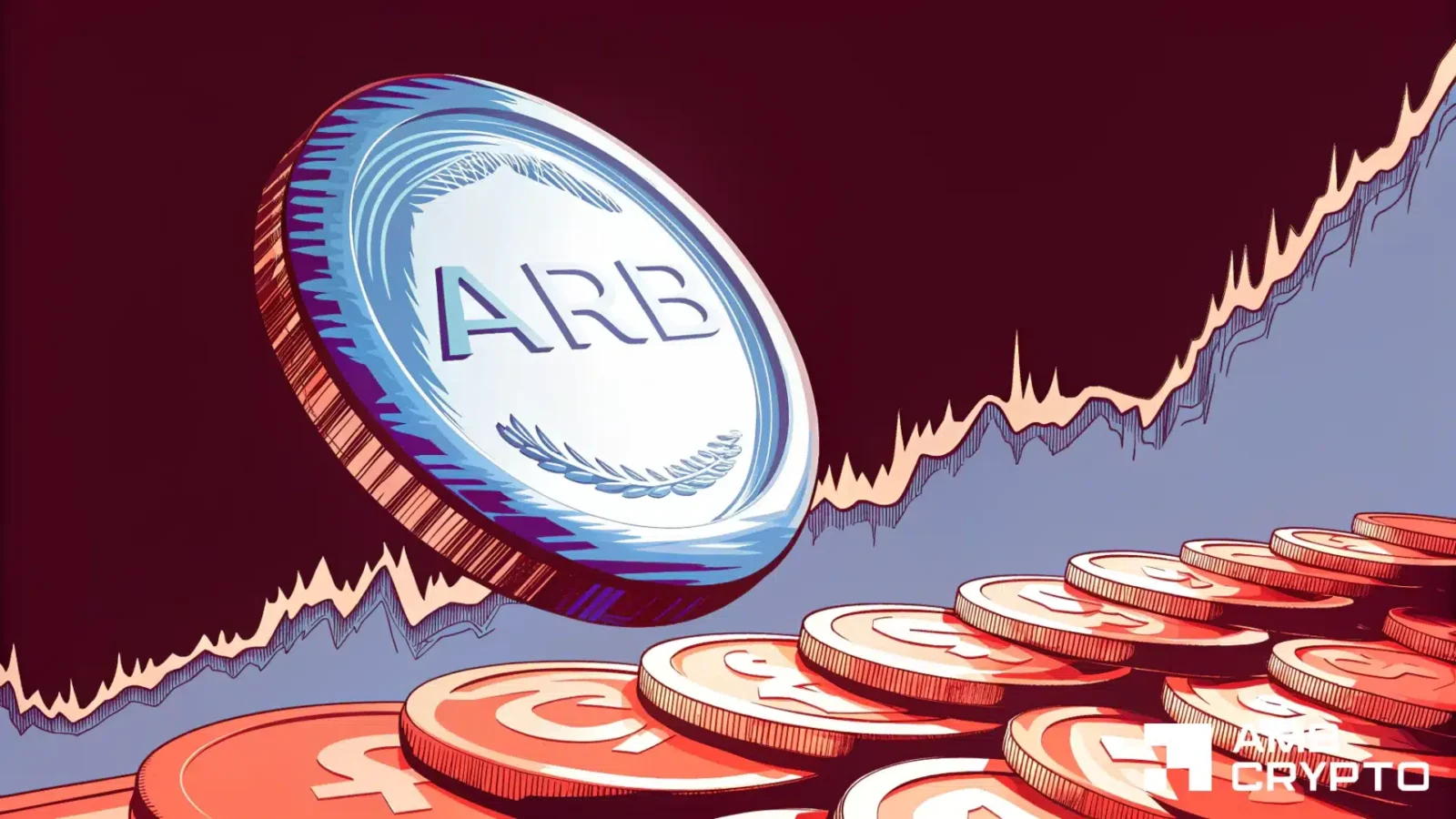
Can ARB's price absorb 92.65M new tokens without losing its pace?
Positive funding and high OI meant ARB's recovery could continue.
Kraken's Arbitrum Stablecoin Listings Show Exchanges Are Treating L2 Rails As Real Infrastructure
Kraken's support for Arbitrum-based stablecoins looks like a listing update, but it points to something bigger. Exchanges are increasingly treating Layer-2 networks as real infrastructure rather than experimental add-ons


