



Boeing Company (BA)














Boeing vs. Embraer: Which Aerospace Stock is Ready for Takeoff?
Both BA and EMBJ are leading aircraft manufacturers with strong exposure to commercial aviation, while both also have defense and services businesses.

The Boeing Company (BA) Is a Trending Stock: Facts to Know Before Betting on It
Zacks.com users have recently been watching Boeing (BA) quite a bit. Thus, it is worth knowing the facts that could determine the stock's prospects.

Boeing: Strong Delivery Momentum
Boeing (BA) demonstrated stable net order inflow in June, booking 113 net orders valued at $7.3 billion, with strong single-aisle demand. BA's delivery cadence is improving, with 64 aircraft delivered in June and year-to-date deliveries up 12%, reflecting more sustainable, output-based production. Key operational milestones include ramping up 737 MAX and 787 production, inaugurating a fourth 737 MAX line, and progressing on MAX 7, MAX 10, and 777X certifications.

Boeing (BA) May Report Negative Earnings: Know the Trend Ahead of Next Week's Release
Boeing (BA) doesn't possess the right combination of the two key ingredients for a likely earnings beat in its upcoming report. Get prepared with the key expectations.
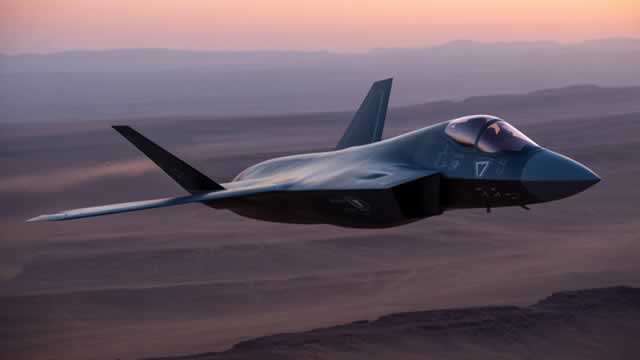
Boeing and Airbus prepare for next narrow-body battle – but airlines aren't pushing for new jets yet
Airbus and Boeing are planning their next narrow-body aircraft, but both say airlines remain focused on current fleets and deliveries. Boeing says it needs a few more years to rebuild its finances before launching a new jet, while Airbus is targeting a program launch around 2030.

New Boeing aircraft development hampered by backlog of existing orders, says CEO
The aerospace giant is evaluating a possible new airplane design but says it must first improve its finances, technology and aircraft deliveries.

AerCap to order 15 Boeing 787, sources say
Leasing giant AerCap is set to place an order for 15 Boeing 787 jets, two industry sources said on Monday.
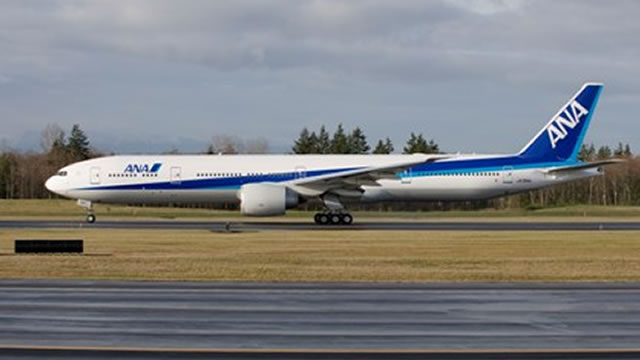
Boeing Stock Rises After Busy Weekend. The Jet Maker Is About To Get Busier.
Boeing investors will have a lot of news to digest this week. They should focus on supply chain updates.

Boeing CEO says company still needs 'a couple more years' to repair finances before new jet
Boeing CEO Kelly Ortberg told CNBC Monday that the planemaker will need "a couple more years" to repair its finances before launching a new commercial jet. Airline customers are telling Boeing to focus on improving the reliability and production of its current lineup rather than introducing a new model, Ortberg said.

Boeing Needs to Shore Up Finances Before Launching New Airplane Design, CEO Says
Kelly Ortberg says the company needs to get its finances and technology in place first.
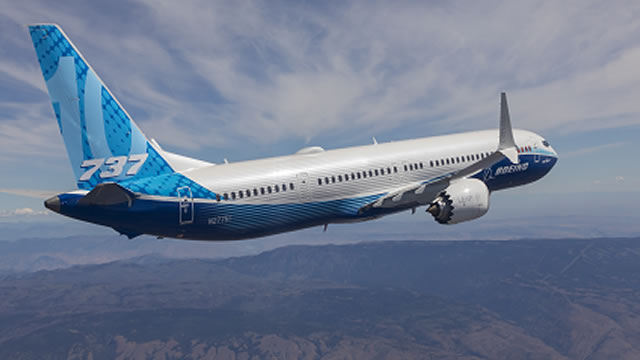
Boeing studying new 737 MAX production hikes
The head of Boeing's commercial airplane unit said on Sunday the planemaker is studying a new round of production increases for its best-selling 737 MAX after getting approval from regulators in May to hike production to 47 planes per month.
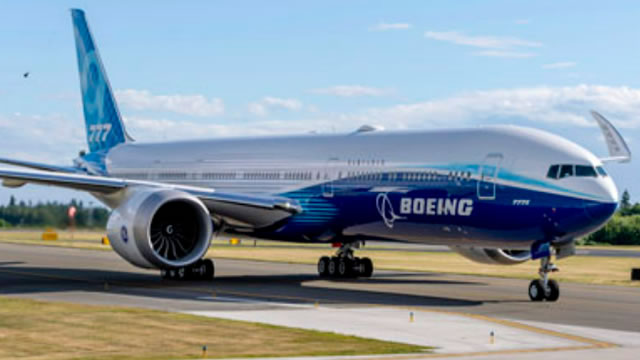
Boeing (BA) Suffers a Larger Drop Than the General Market: Key Insights
Boeing (BA) closed the most recent trading day at $214.34, moving 1.73% from the previous trading session.




