



Bank of America Corporation (BAC)










Bank of America's Digitization Initiatives Unlocking Revenue Growth
BAC's AI push drives 30B digital interactions, boosting cross-selling, fees and revenue growth beyond cost savings.

Bank of America Corporation (BAC) is Attracting Investor Attention: Here is What You Should Know
Bank of America (BAC) has been one of the stocks most watched by Zacks.com users lately. So, it is worth exploring what lies ahead for the stock.

Oil shock lifts BofA outlook on US energy
A supply shock rippling through global energy markets is reshaping the outlook for oil prices and US producers, as disruptions at the Strait of Hormuz force a sharp rethink of supply, inventories and valuations, according to Bank of America. The bank said it now expects Brent crude to average $77.50 per barrel in 2026, up from a prior forecast of $61, as an ongoing impasse in the key shipping route disrupts flows and reshapes supply expectations.
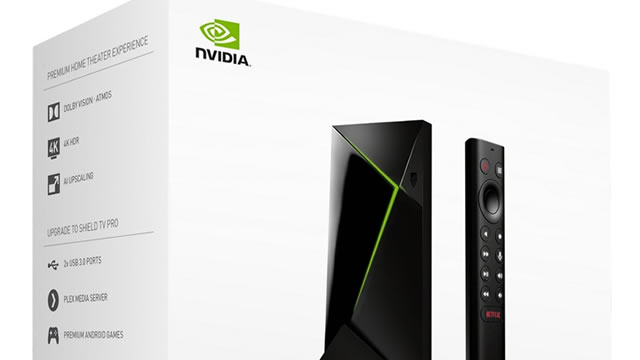
Nvidia expands AI leadership with $1T sales outlook, Bank of America Says
Nvidia Corp (NASDAQ:NVDA, XETRA:NVD) is set to extend its lead in artificial intelligence (AI) hardware and software, unveiling a broad, end-to-end AI product roadmap that now gives the company visibility to more than $1 trillion in data center sales over 2025-2027, according to a note from Bank of America. Following Nvidia's flagship GTC conference and a post-keynote meeting with the company's CFO, Bank of America maintained its “Buy” rating on the chipmaker, with a price target of $300, citing its top position in AI inference and customized compute solutions.

A BofA strategist sees parallels between European Central Bank rate-hike expectations and the global financial crisis
The probability of an increase by June has risen to 75% amid ongoing conflict in the Middle East.

Warren Buffett Wrapped Up His Illustrious Investing Career by Selling 50% of His Bank of America Stake and Piling Around $1.2 Billion Into This Scorching-Hot Oil Stock
Warren Buffett called it a career and retired as CEO of Berkshire Hathaway on Dec. 31, 2025. Berkshire's Form 13Fs show that its now-former billionaire boss remained a persistent seller of Bank of America stock leading up to his retirement.
Bank of America (BAC) Declines More Than Market: Some Information for Investors
Bank of America (BAC) reached $47.13 at the closing of the latest trading day, reflecting a -2.86% change compared to its last close.

PGIM Jennison Financial Services Fund Q4 2025 Contributors And Detractors
The PGIM Jennison Financial Services Fund advanced and outperformed the 2.0% return of the S&P Composite 1500 Financials index for the quarter. Key Contributors were Goldman Sachs, Chubb Limited and Bank of America. Key Detractors Houlihan Lokey, Marsh & McLennan and LPL Financial.

JPMorgan vs. Bank of America: Which Big Bank Stock is the Better Bet?
Does JPM's broader expansion, stronger IB position and diversified growth strategy make it a more attractive bank stock compared with BAC? Let's find out.
BAC's Fee Income to Benefit From Solid Q1 Capital Markets Performance
Bank of America's fee income looks set for a strong Q1 as capital markets momentum lifts IB, trading and wealth management fees.

Bank of America Corporation (BAC) Presents at RBC Capital Markets Global Financial Institutions Conference 2026 Transcript
Bank of America Corporation (BAC) Presents at RBC Capital Markets Global Financial Institutions Conference 2026 Transcript
Bank of America Stock Slides 12.9% YTD: Time to Buy the Dip or Wait?
BAC is down 12.9% YTD, but NII growth targets, branch expansion and a $40 billion buyback raise the stakes on whether this dip is worth buying.




