



Bank of America Corporation (BAC)











BofA CEO: Consumers Could Sour Without Interest Rate Cuts
American consumers could become disheartened if the Federal Reserve doesn't cut interest rates soon. That's according to Bank of America CEO Brian Moynihan, who made that prediction in an interview with CBS News Sunday (Aug. 11), after the Federal Reserve said it would keep its rate at a range of 5.25%-5.5%.
US consumers could become discouraged without rate cuts, Bank of America CEO says
If the U.S. Federal Reserve does not start cutting interest rates relatively soon, U.S. consumers could become dispirited, Bank of America CEO Brian Moynihan said on Sunday.

7 Financial Stocks That Could Benefit from Rising Interest Rates
While interest rates remain high, it offers a good opportunity to investors to consider these financial stocks for rising interest rates. An increase in interest rates often results in increased net interest margins for banks and other financial institutions.

Bank of America Corporation (BAC) Is a Trending Stock: Facts to Know Before Betting on It
Recently, Zacks.com users have been paying close attention to Bank of America (BAC). This makes it worthwhile to examine what the stock has in store.

Bank of America: Buffett's Selling Activity Could Be a Bad Sign
Warren Buffett (Trades, Portfolio)'s Berkshire Hathaway (BRK.A, Financial) (BRK.B, Financial) sold about 34 million shares of Bank of America Corp. (BAC, Financial) between July 17 and July 19, 19 million shares between July 22 and 24 and another 18.40 million shares between July 30 and Aug. 1, according to recent Form 4 filings.
Berkshire Hathaway Cuts Bank of America Stake: What to Know
The week is off to a rocky start for most investors. From Sunday night's opening of futures and Asian stock markets to the 3.6% decline on the S&P 500, the market's rotation seems to be gaining more momentum this week without any signs of slowing down.

Bank Stocks Slump as Fears About US Economy Intensify
Bank stocks tumbled on Monday as last week's sell-off, prompted by a weak jobs report on Friday, extended into the new week amid concerns about the rising risk of a U.S. recession and a weakening consumer outlook.

US banks tumble as weak economic data sparks recession fears
U.S. bank stocks slumped on Monday as fears of a recession sent investors fleeing from a sector closely tied to the health of the economy and toward safe-haven assets.

3 Blue-Chip Stocks That Could Make Your Summer Unforgettable
In many ways, the battles on Wall Street center on the difference between potentiality and predictability. It comes down to how you want to play the game.
Bank of America's chief strategist reveals the best time to sell stocks
Bank of America strategist Michael Hartnett anticipates a downturn in stocks following the Federal Reserve's expected interest rate cuts in September.
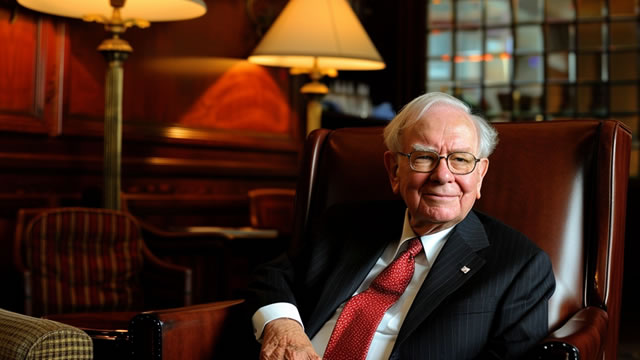
Warren Buffett Took Profits in Bank of America. TD Bank Looks Like a Good Place for the Cash.
Warren Buffett invested in Bank of America during the Great Recession. The Oracle of Omaha has taken some profits on his successful Bank of America investment.

2 Warren Buffett stocks to buy after Berkshire Hathaway reduces stake in Bank of America
Warren Buffett's Berkshire Hathaway (NYSE: BRK.A) has made a significant move by reducing its stake in Bank of America (NYSE: BAC) for the first time since 2019.




