






Is B&G Foods (BGS) Stock Outpacing Its Consumer Staples Peers This Year?
Here is how B&G Foods (BGS) and Scholastic (SCHL) have performed compared to their sector so far this year.

B&G Foods: Cheap For A Reason, But Too Cheap To Ignore
B&G Foods (BGS) is undergoing a major portfolio transformation, aiming to reduce leverage and improve margins amid industry headwinds. BGS expects FY26 net sales of $1.655–$1.695 billion and relatively flat Adj. EBITDA but strong Adj. Diluted EPS growth. The current ~14.85% dividend yield is at risk despite being covered well by their FCF now; a cut could accelerate debt reduction and improve financial flexibility.
Should Value Investors Buy B&G Foods (BGS) Stock?
Here at Zacks, our focus is on the proven Zacks Rank system, which emphasizes earnings estimates and estimate revisions to find great stocks. Nevertheless, we are always paying attention to the latest value, growth, and momentum trends to underscore strong picks.
B&G Foods (BGS) Down 17.6% Since Last Earnings Report: Can It Rebound?
B&G Foods (BGS) reported earnings 30 days ago. What's next for the stock?

Are Consumer Staples Stocks Lagging B&G Foods (BGS) This Year?
Here is how B&G Foods (BGS) and Coca-Cola (KO) have performed compared to their sector so far this year.

Are Investors Undervaluing B&G Foods (BGS) Right Now?
Here at Zacks, our focus is on the proven Zacks Rank system, which emphasizes earnings estimates and estimate revisions to find great stocks. Nevertheless, we are always paying attention to the latest value, growth, and momentum trends to underscore strong picks.

BGS Expands Portfolio With College Inn, Kitchen Basics Acquisition
B&G Foods expands its cooking essentials lineup with a key acquisition aimed at boosting earnings, cash flow and sharpening shelf-stable business focus.

Is B&G Foods (BGS) Stock Outpacing Its Consumer Staples Peers This Year?
Here is how B&G Foods (BGS) and Colgate-Palmolive (CL) have performed compared to their sector so far this year.
What Makes B&G Foods (BGS) a New Buy Stock
B&G Foods (BGS) might move higher on growing optimism about its earnings prospects, which is reflected by its upgrade to a Zacks Rank #2 (Buy).
Is B&G Foods (BGS) Stock Undervalued Right Now?
Here at Zacks, our focus is on the proven Zacks Rank system, which emphasizes earnings estimates and estimate revisions to find great stocks. Nevertheless, we are always paying attention to the latest value, growth, and momentum trends to underscore strong picks.
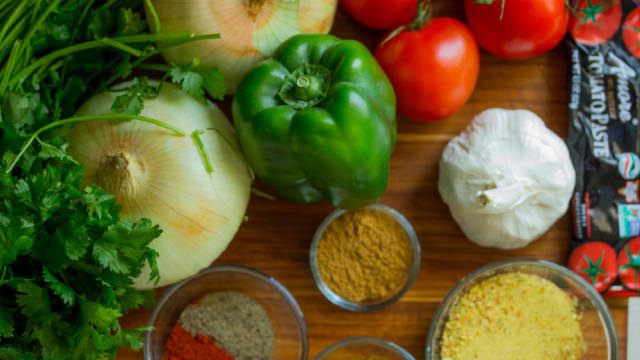
B&G Foods Q4 Earnings Meet Estimates, Sales Decrease 2.2% Y/Y
BGS' fourth-quarter EPS met estimates as sales slipped 2.2% on divestitures, while margins expanded and sees 2026 EPS of 55 cents to 65 cents.

B&G Foods, Inc. (BGS) Q4 2025 Earnings Call Transcript
B&G Foods, Inc. (BGS) Q4 2025 Earnings Call Transcript




