






Oil Prices Rise, Backing Case for Rate Hikes
Oil prices rose in early Asian trade as Middle East frictions fuel geopolitical risk premiums.
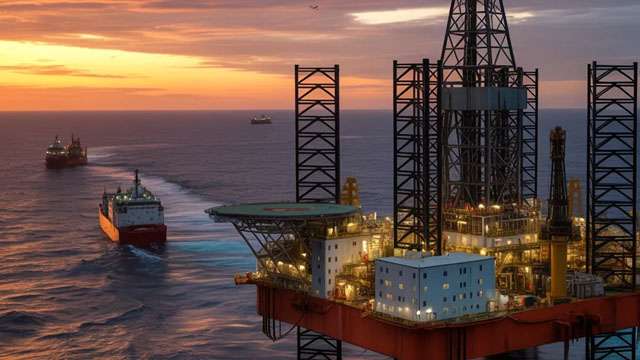
Oil prices jump more than $3 after new strikes on Saudi, Strait of Hormuz
Brent crude futures rose to $108.23 per barrel.
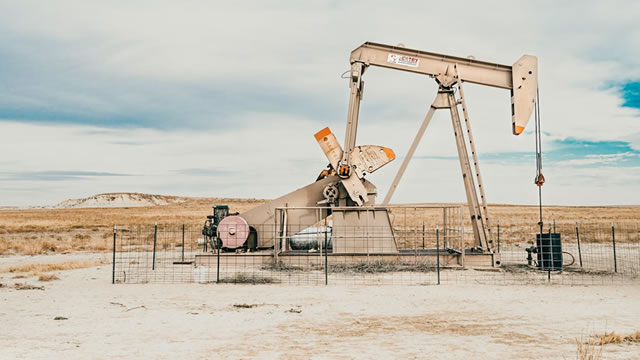
Saudi pipeline outage threatens loss of 4% of global oil supply
SAUDI PIPELINE OUTAGE THREATENS LOSS OF 4% OF GLOBAL OIL SUPPLY UNLESS PUMPING RESUMES WITHIN DAYS, SAY TRADERS, SOURCES
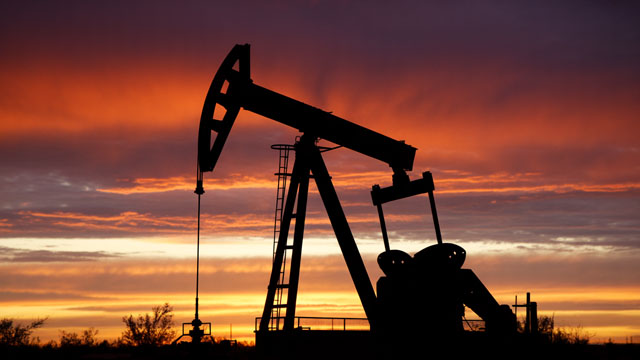
New report of attack on Strait of Hormuz shipping fans fears of threats to oil supplies
Maritime trackers received new reports of an attack on a ship in the Strait of Hormuz on Sunday, adding to concerns about Iran-related threats to energy supplies after Saudi Arabia shut down a vital oil pipeline.
Oil prices at an 'inflection point' and headed higher: Amrita Sen
Energy Aspects' Amrita Sen says oil prices are at an "inflection point", with the general trajectory higher as inventories are being drawn down at a rapid pace. She discusses how that will have an "upward spiral" on products such as diesel, and how Asia in particular, will start feeling the pinch towards the end of the year.
Oil's roundtrip back to $100. Why China could determine what happens next
U.S. crude oil prices broke above $100 this week for the first time since May as fighting escalates in the Persian Gulf. Whether China ramps up its crude oil imports could decide if prices rally from here.

U.S. Stocks Rise as Oil Retreats
U.S. stocks snapped a four-session losing streak as an interruption to the torrid run in oil prices offset a reading of increased consumer inflation.

Oil Prices Post Big Weekly Gain Amid Supply Risks
Oil prices slipped back Friday after a string of gains, but ended the week sharply higher as traders assessed growing risks to Middle East crude exports.

The Houthis have created a new front in the Middle East war that's pushing up oil prices
A Red Sea crisis deepens as the Saudi East-West pipeline is shut down and the Houthis grab effective control of the strategic Bab al-Mandeb Strait.

Oil tanker rates hit record highs following Iran, US shipping attacks
The cost of shipping oil in the largest tankers hit record highs this week following the biggest wave of attacks on shipping since the U.S.-Iran war began in late February.

What's Going On With Oil Prices Right Now?
West Texas Intermediate (WTI) crude reclaimed the triple-digit level Thursday, surging as much as 6.7% to $102.48 per barrel -- its highest level since May.

Oil prices fall sharply after double-digit weekly gains above $100
Oil prices pulled back on Friday, but Brent crude futures hovered above the $100 mark. The decline snapped multi-day winning streaks for both Brent and WTI crude oil futures.




