




U.S. oil price dips below $100 while diesel passes $6, marking fresh record
Brent crude and West Texas Intermediate's front-month contracts edged lower on reports of plans for diplomatic talks between Gulf states.

Oil Rises on Escalating Supply-Disruption Concerns
Oil rose in early trade on escalating concerns over supply disruptions in the Middle East

U.S. Stocks Fall as Oil Tops $100, Yields Hit Multiyear Highs
U.S. stocks fell for the fourth straight session and Treasury yields hit multiyear highs as U.S. oil prices topped the $100-per-barrel level while August inflation data revealed the toll energy costs are taking on commercial users.

Wealthy investors seek oil and gas assets, but bargains are scarce
Ultra-high-net-worth investors and family offices are looking to tap into long-term energy demand, not just commodity price swings, by investing in oil and gas assets, investment advisors told CNBC. However, the Iran war and the AI boom have created a seller's market and made it harder to find attractive valuations.

China independent refiners scramble for oil, underpinning spot premiums
Chinese independent refiners have been rushing to secure crude from West Africa, Canada and South America in recent weeks, supporting spot premiums at multi-month highs as they replace thinning Iranian and Russian supplies, trade sources and analysts said.

Stock Futures Rise, Treasury Yields Hold Near Highs as Oil Tops $101
U.S. stock futures edged higher and Brent continued to rise as investors positioned ahead of crucial U.S. inflation prints.
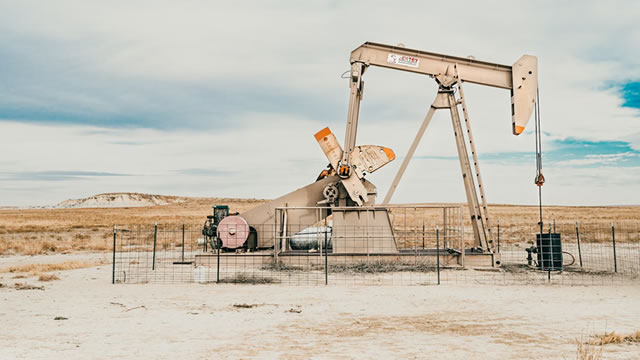
Oil Rises Amid Escalation in Mideast Conflict
Oil rose amid the escalation in Middle East conflict that could exacerbate supply disruptions in the region.
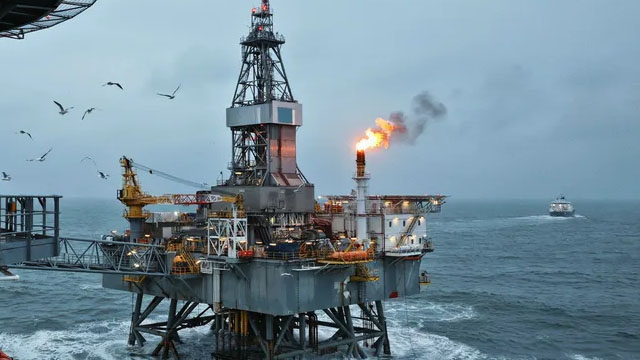
U.S. Stocks Fall as War Escalation, Oil Spike Continues
U.S. stocks extended their recent decline as the war in the Middle East continued to escalate and to drive up oil prices.

Trump claims oil, gas prices will fall ‘right after' midterm elections
President Trump says oil and gas prices won't come down until “right after” the midterm elections, as affordability issues remain top of mind for American voters.
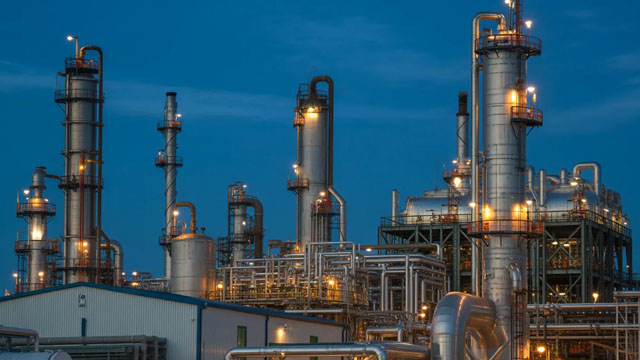
Oil Just Broke $100 a Barrel. Is a Fed Rate Hike Now Guaranteed Next Week?
Brent crude punched through $100 a barrel on Wednesday morning, hours after U.S. forces struck oil tankers linked to Iran's Islamic Revolutionary Guard Corps operating near the Strait of Hormuz.

Oil at $100? Why you should always have energy stocks in your 401(k).
Energy and resource stocks have zigged while the market has zagged.
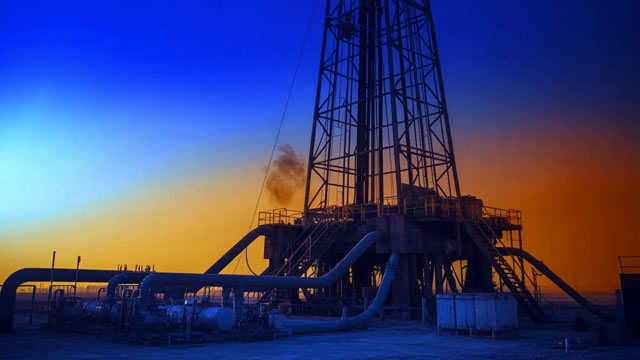
Oil Price Hits $100 a Barrel, Sending Bond Yields Higher
Brent crude briefly crossed $100 a barrel amid an escalation in U.S.-Iran fighting. That was pressuring bonds.


