





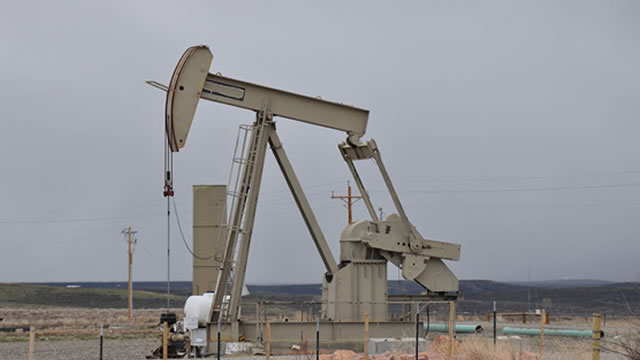
Spiking oil prices basically end any chance of a market ‘melt-up,' says this Wall Street veteran
The prospect of stagflation means stocks may fall into a bear market
G-7 scrambles emergency meeting and could deploy unprecedented oil reserves as prices soar: report
The finance ministers are reportedly considering making 300 million to 400 million barrels available.
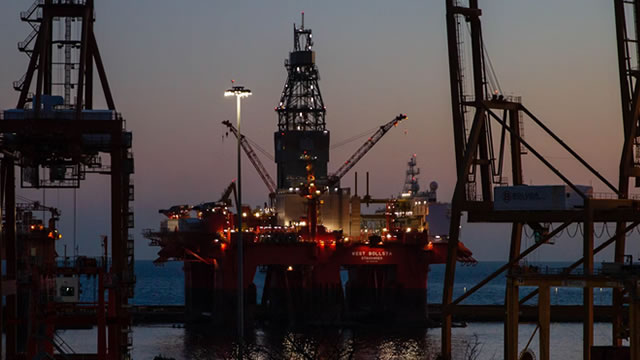
Natural Gas and Oil Forecast: Strait of Hormuz Crisis Spikes Oil to $119 – Time to Short or Buy?
The global energy market faces a “meltdown” as oil hits multi-year highs. With supply shortages and geopolitical risks, will Brent and WTI continue their surge?

88 Energy shares soar against backdrop of higher crude prices
More buyers than sellers - that's the less-than-satisfying and slightly sarcastic retort a trade desk will give when a better reason for a sudden share price spike isn't available. And, so it is, we reach into the drawer for the same explanation, as 88 Energy Ltd (AIM:88E, ASX:88E, OTCQB:EEENF, FRA:POQ) shares opened some 30% higher in Monday's early trade.
Oil shatters $100 ceiling, hitting levels not seen since 2022 as Iran conflict escalates
Crude prices were surging on Monday amid no signs that the Iran conflict was de-escalating and as some major oil producers were reportedly forced to cut production.

Why China can withstand oil's surge past $100 more easily than other countries
The latest Middle East tensions shed light on how the world's three largest oil consumers have taken different approaches to energy. China has gradually increased the share of renewables in its total energy demand, more than the U.S. and India.
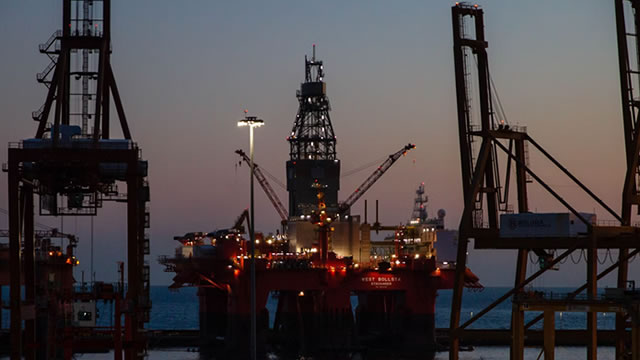
Governments scramble to limit fallout of Iran war as oil prices surge
Governments in Asia are scrambling to limit the impact on economies and consumers from the widening Iran war, which fuelled a record surge in oil prices on Monday after key producers cut output and Tehran signalled that hardliners will remain in charge.

G7 to discuss joint release of emergency oil reserves, FT reports
The Group of Seven (G7) finance ministers will discuss on Monday a joint release of oil from emergency reserves coordinated by the International Energy Agency, the Financial Times reported.

Governments' actions in response to oil price surge and the escalating Middle East conflict
Oil prices have soared while share markets have skidded on fears that the escalating U.S.-Israeli war on Iran will squeeze energy supplies and hamstring industries around the world.
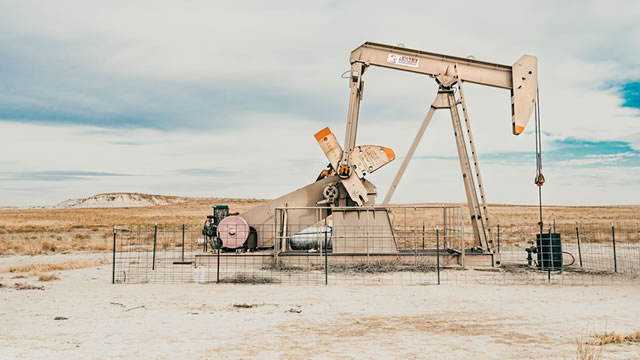
U.S. orders staff to leave Saudi Arabia as Iran war spreads and oil surges above $110
U.S. ordered diplomats to leave Saudi Arabia as Iran war risks spread across the region. Oil surged above $110 after Strait of Hormuz disruptions and Middle East production cuts.
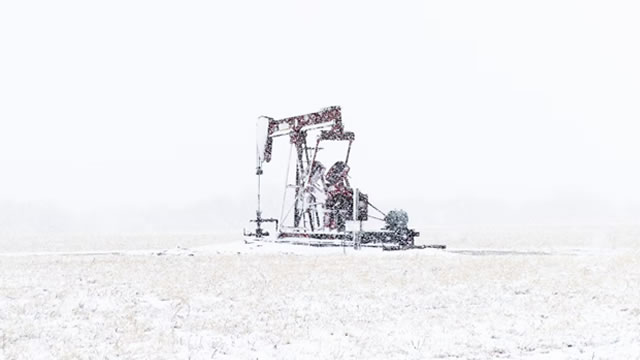
Oil News: Crude Oil Futures Surge as Market Prices Worst-Case Iran Supply Risk
Crude oil futures surge as traders price a worst-case Iran supply risk. Oil outlook turns bullish with $100 support and $130 targets as Strait of Hormuz fears grow.

U.S. stock futures sink after oil surges above $100 a barrel as Iran conflict rages
U.S. stock-market futures fell on Sunday as crude futures surged above $100 a barrel for the first time since 2022 amid growing fears about the economic effects of the conflict with Iran.




