





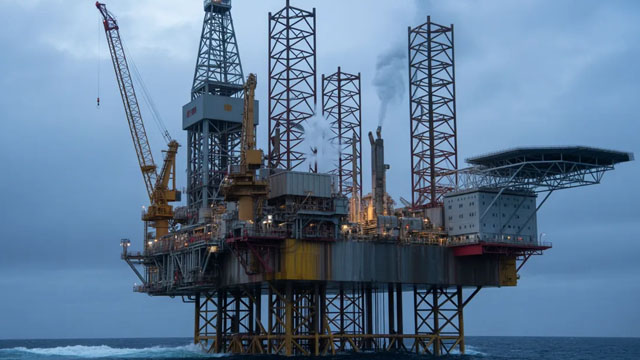
Oil Hits $100 for First Time Since July
Brent crude futures hit $100 a barrel amid fears of prolonged supply disruptions after fresh U.S.-Iranian attacks added to an escalating conflict.
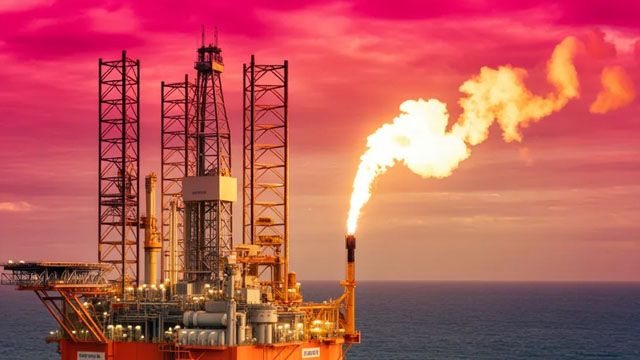
Oil Near $100 Threatens U.S. Stocks' Stellar Run
Brent crude spiked above $99 a barrel before paring gains.
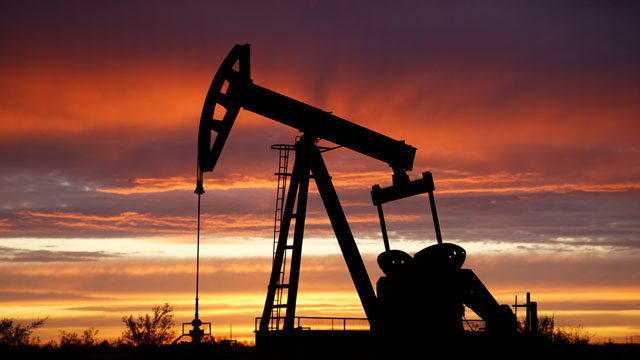
Refining bottlenecks are emerging as the next big oil problem as Middle East skirmishes flare up
American drivers just paid the highest Labor Day gasoline prices ever. Dwindling global refinery capacity is threatening to push prices higher.

Oil nears $100 a barrel as Middle East tensions fuel inflation fears ahead of interest-rate decision
Prices were on the rise after the Saudi energy ministry – the world's largest oil exporter – said operations at some of its facilities had been disrupted by strikes from Iran-aligned Houthis.
Oil Nears $100 a Barrel Again. Why Things Could Get Messy for Markets.
Brent crude was on the brink of $100 a barrel Tuesday and central banks have to face the prospect of sustained energy-price inflation.
Goldman Sachs reverses engines on oil-price forecasts and raises the specter of $120 per barrel crude
In the span of just three months, Goldman Sachs analysts have gone from lowering their oil-price forecasts to hiking them.

Stock Market Today: Oil Nears $100, Stock Futures Sink
Brent crude climbs after reports of Houthi attacks on Saudi Arabia
Oil extends gains as renewed Mideast hostilities raise worries of prolonged conflict
The tit-for-tat strikes over the weekend that have sent oil higher also pushed up gas prices. Goldman Sachs raised its forecasts for Brent and WTI prices by $5 to $85 and $80 per barrel, respectively for Dec. 2026.
Oil Rises Amid Fears of More Supply Disruptions in Middle East
Oil rose in early Asian trade amid fears of more supply disruptions in the Middle East.

Oil prices hit six-week high amid US-Iran conflict — but drivers could soon get relief at the pump
“There actually is a little bit of good news on the horizon for most of the country,” an oil industry expert told The Post.

Oil Higher on Hormuz Escalation Amid Quiet Markets Due to Labor Day
U.S. stock futures were mixed and Treasurys didn't trade, as U.S. investors break for Labor Day.

Oil Rises as Escalating U.S.-Iran Conflict Stokes Supply Disruption Fears
Oil prices climbed in Asian trade Monday morning as escalating tensions in the U.S.-Iran conflict stoked concerns over potential supply disruptions in the Middle East.




