





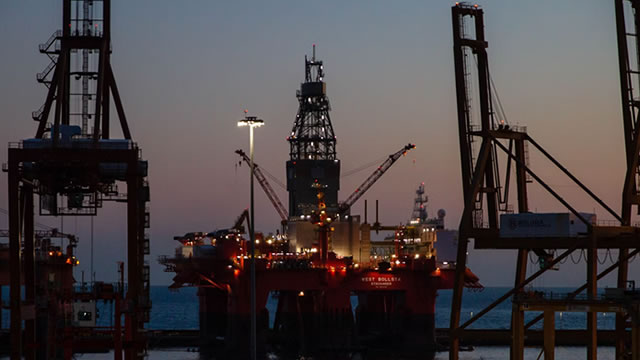
Oil Edges Higher as Traders Digest U.S.-India Trade Deal
Oil edged higher in the morning Asian session as traders digest the U.S.-India trade deal.
Indian refiners need wind-down period for Russian oil, sources say
Indian refiners will need a wind-down period to complete Russian oil deals before imports from that country can be halted, and they have so far not been ordered by the government to stop such imports, two refining sources said.

In Venezuelan oil region, industry reform sparks both hope and skepticism
Venezuelan state oil company PDVSA's workers and retirees are hoping oil-industry reform sparked by U.S. intervention last month will increase the purchasing power of their eroding wages and pension payments, but their confidence is measured.
Oil price pulls back as OPEC+ preserves production, US signals proIran talks
Crude oil prices fell after OPEC+ again decided not to raise output in the first quarter of 2026, a move that has helped underpin crude oil prices in recent weeks. At a meeting on 1 February, the eight member states with voluntary production cuts reiterated their decision to keep quotas unchanged.
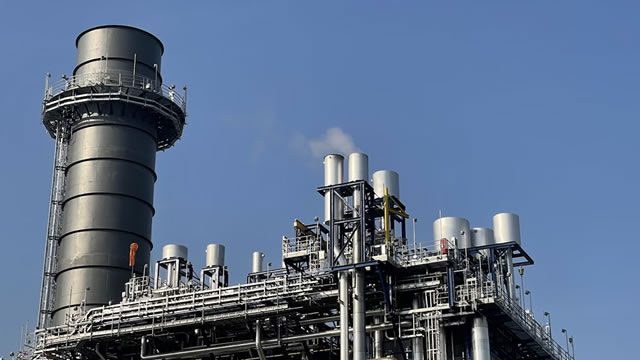
There's another big oil-and-gas merger, but shareholders aren't happy
Devon plans to acquire Coterra in an all-stock deal, as consolidation within the oil-and-gas sector continues.

Kuwait oil minister tells Reuters: We expect to issue tenders for Durra field with Saudi Arabia in 2026
Kuwait's oil minister Tariq Al-Roumi told Reuters on Monday that he expects tenders for the Durra oil and gas field project, in cooperation with Saudi Arabia, to be launched this year.
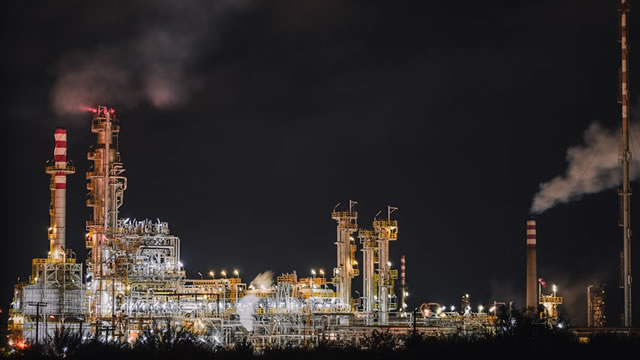
China's teapots buy Iranian oil to replace Venezuelan supply, sources say
Chinese independent refiners are buying discounted Iranian heavy crude to replace Venezuelan shipments that have stalled after the U.S. claimed control of the OPEC producer last month, two people with knowledge of the matter said on Monday.
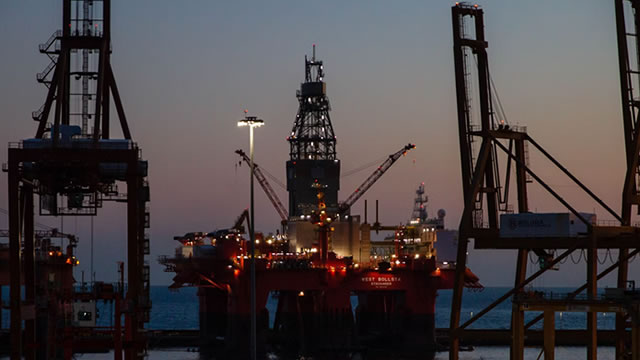
Oil News: Crude Oil Futures Plunge as Iran Talks Ease Supply Disruption Fears
WTI crude oil futures drop sharply as Trump's Iran comments ease geopolitical risks. Technical analysis points to key support tests at $60.66-$59.29.
Oil prices are falling sharply. Lowered U.S.-Iran tensions and metals spillover is being blamed.
Oil prices fell sharply on Monday after President Donald Trump said he was hopeful over negotiations with Iran, taking some of the fear premium out of the commodity.

Brent Crude Aiming for $95 as a Double Bottom Forms
Taken together, the technical structure in Brent crude strongly favors a completed corrective phase and the early stages of a trend reversal.
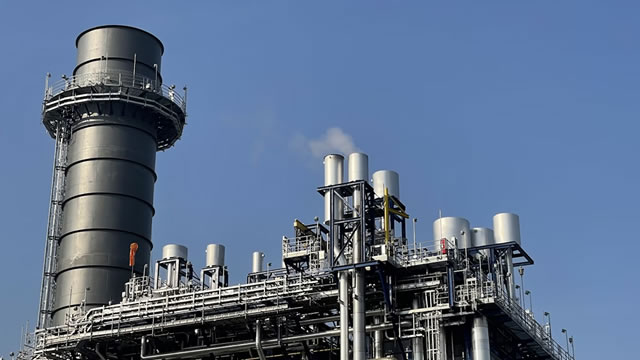
Natural Gas and Oil Forecast: Is Oil Done Falling at $61 or Just Pausing Before $60?
Crude oil retreats sharply as risk premiums unwind, testing $61 support, while natural gas consolidates above $3.55 inside a rising channel.

Oil slides over 4% as Trump signals Iran talks, easing supply shock fears
Oil prices slid as investors dial back fears of a supply shock. On Saturday, Donald Trump told reporters Tehran was "seriously talking" with the U.S.




