






US naphtha begin arriving in Venezuela to reanimate heavy oil output, ship data showed
The first naphtha cargo for Venezuela as part of an oil deal agreed between Caracas and Washington this month arrived on Friday in the country's waters in a tanker chartered by trading house Vitol, ship tracking data showed.
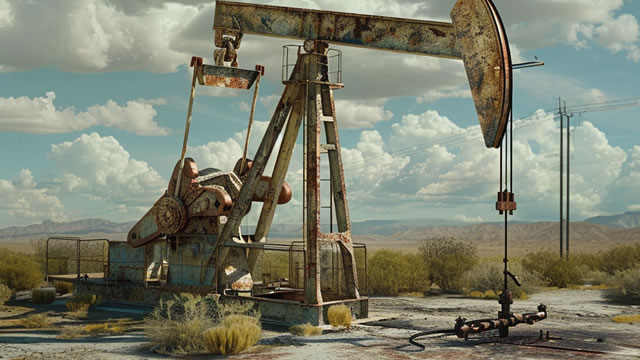
What Trump's renewed attack on Iran could mean for oil prices
U.S. President Donald Trump's renewed threat against Iran have stoked fears of possible supply disruption in the oil-rich Middle East. Oil prices were trading higher on Friday morning after Trump said a U.S. "armada" was heading toward the Gulf region.
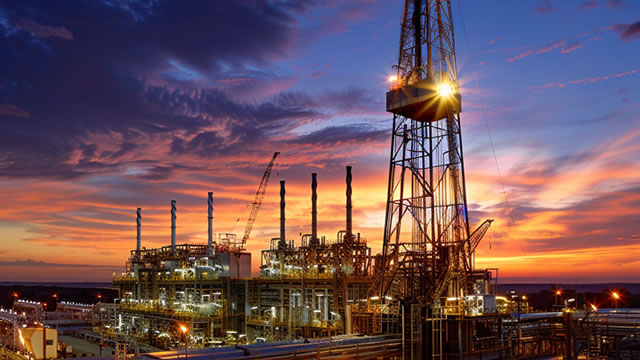
US control of Venezuela oil risks debt restructuring showdown with China
U.S. control of Venezuela's oil exports has ensnared barrels that had been servicing debt to China, lining up another potential showdown between the two superpowers that could further complicate the South American country's path out of default.

Oil prices rebound after Trump comments on 'armada' moving to Iran spur supply worries
Oil prices rebounded on Friday after U.S. President Donald Trump renewed threats against major Middle Eastern producer Iran, raising concerns of military action that could disrupt supplies.
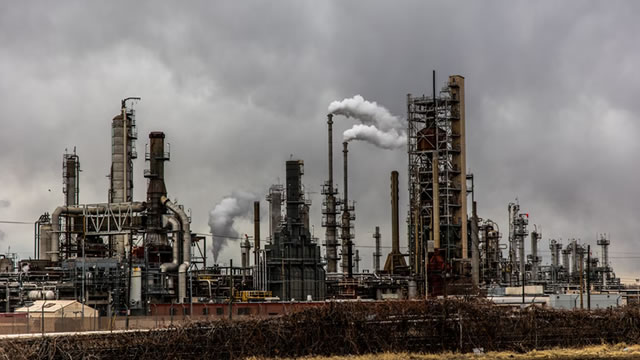
Oil Rises on Possible Technical Recovery
Oil rose in Asian trade on a possible technical recovery after WTI and Brent settled lower overnight.

US allows China to purchase Venezuelan oil but not at 'undercut' prices of Maduro days, official says
The Trump administration is allowing China to purchase Venezuelan oil but not at "unfair, undercut" prices at which Caracas sold the crude before the U.S. removed its leader Nicolas Maduro, an administration official said on Thursday.
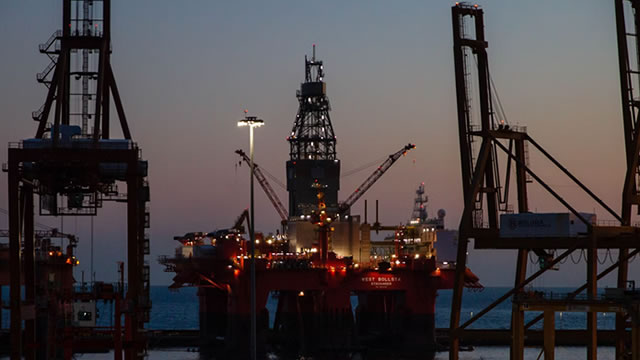
Oil News: Crude Oil Futures Stall at 200-Day MA on Rising Inventory, Easing Risk
WTI crude oil stalls at 200-day MA as EIA inventory build expected. Oversupply battles Iran risk premium; range-bound trade at $59.40 sweet spot.

No US Security Guarantees in Venezuela for Oil, Energy Secretary Says
US Energy Secretary Chris Wright discusses the benefits of President Donald Trump's style at the World Economic Forum, the US's ultimate goal for Venezuela's energy industry, and his plans to visit the nation's oil operations in the next few weeks. Wright speaks to Bloomberg Television on the sidelines of the 2026 World Economic Forum's annual meeting in Davos, Switzerland.
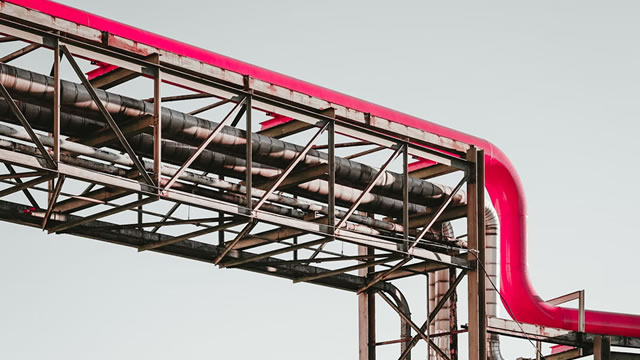
US energy secretary calls for doubling global oil output in Davos
The world needs to more than double oil production, U.S. Energy Secretary Chris Wright said on Thursday, while criticising the European Union and the U.S. state of California for wasting money on what he described as inefficient green energy.
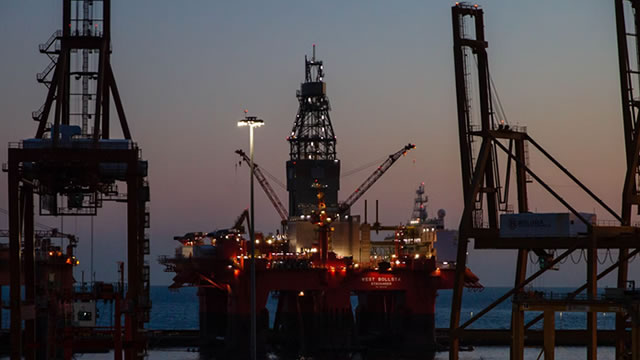
Change in Venezuela Isn't the Only Reason to Own Oil-Field-Services Stocks
Years of discipline have made companies such as Halliburton and SLB lean and efficient.
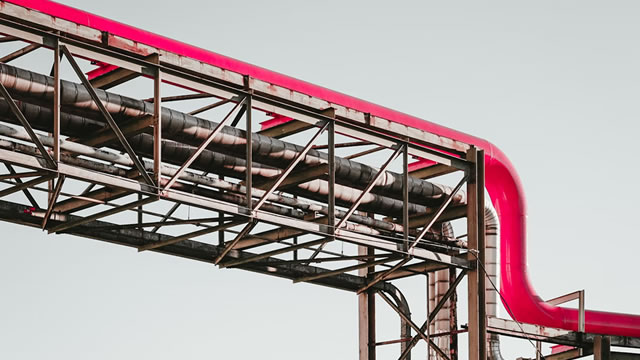
Natural Gas and Oil Forecast: Prices Rise Despite 3M Barrel Build – What's the Catch?
Oil edges higher despite a 3M barrel inventory build, while natural gas surges above $5.25 as traders weigh breakout momentum against oversupply risks.
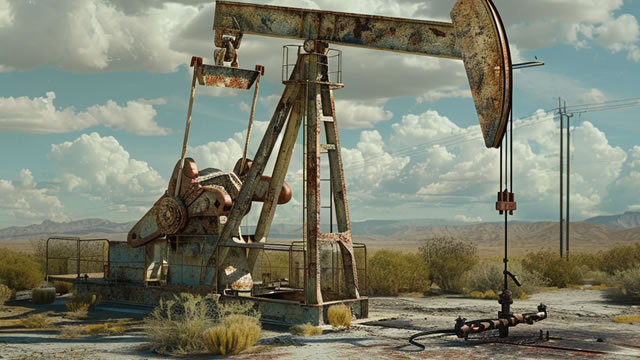
Oil Edges Higher, Aided by Prospects of Stronger Demand
Oil edged higher in early Asian trade, aided by prospects of stronger demand.




