





Goldman projects lower oil prices in 2026 as supply swells
Oil prices are likely to drift lower this year as a wave of supply creates a market surplus, although geopolitical risks tied to Russia, Venezuela and Iran will continue to drive volatility, Goldman Sachs said in a note on Sunday.
Oil Rises Amid Middle East Tensions
Oil rose in the early Asian session amid Middle East tensions that could lead to supply disruptions.
Russian Flags Proliferate Over Shadow Fleet of Oil Tankers
The seizures of sanctioned vessels have created a new flashpoint between the U.S. and Russia at sea.
Trump seeks to stop courts, creditors from seizing Venezuelan oil revenue in the U.S.
U.S. President Donald Trump signed an executive order declaring a national emergency to block the seizure of Venezuelan oil revenue held in U.S. Treasury accounts. The order said the funds are the sovereign property of Venezuela held in U.S. custody, and are not assets subject to private claims.

Trump announces $100B oil investment plan for Venezuela following Maduro's capture
Major U.S. oil companies to invest $100 billion rebuilding Venezuela's energy sector following Maduro's capture, Trump announces at White House meeting.
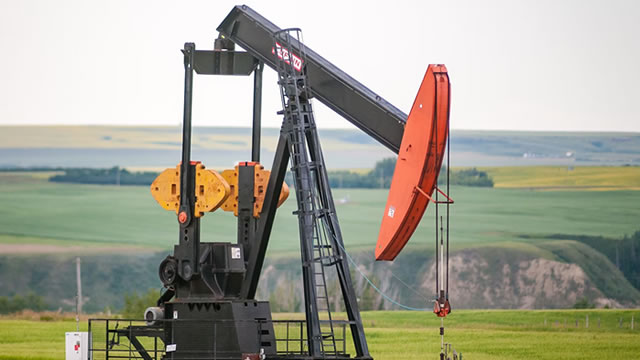
One-on-One With Energy Secretary Chris Wright
US Energy Secretary Chris Wright joins Bloomberg's "Balance of Power: Late Edition" on the Trump Administration's outline to work with top oil companies in Venezuela.

Opinion | A Big Oil Case at the Supreme Court
Louisiana's trial bar and politicians try to loot Chevron in state court.
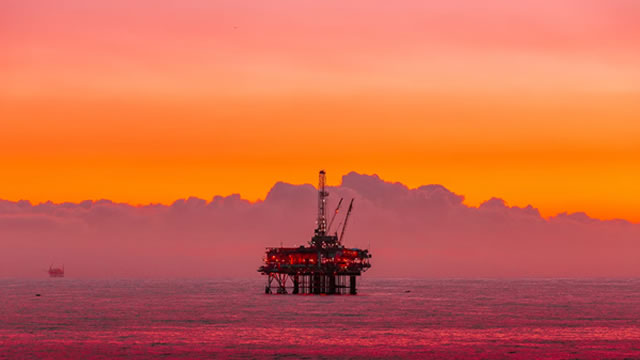
Opinion | Oil Power vs. the People's Revolution
Citizens of Venezuela and Iran face an opportunity thanks to the impulsive and unpredictable Trump.
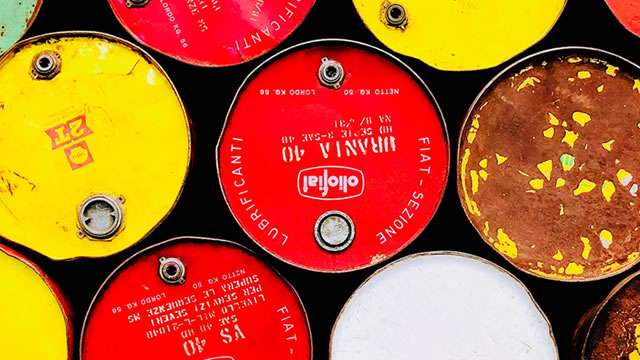
Trump's oil strategy for Venezuela leaves Citgo auction in limbo
As U.S. President Donald Trump moves quickly to put together a $100 billion effort to revive Venezuela's oil industry, the administration has yet to finalize the fate of the crown jewel of the country's foreign assets, U.S. refining company Citgo Petroleum, sources close to the matter said.
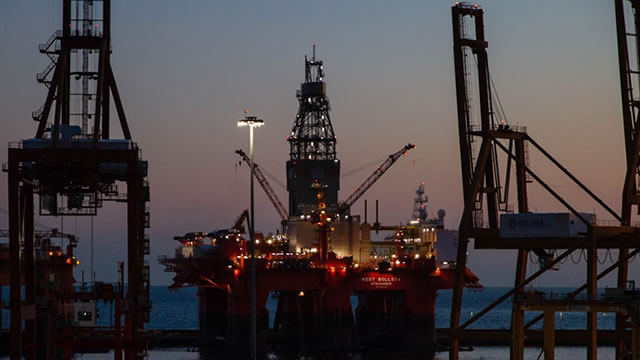
Trump Presses Oil Executives to Invest in Venezuela—but Gets Lukewarm Reception
Exxon's CEO says the South American country is currently ‘uninvestable' and plans to send a technical team to assess the situation.

Oil rises 3% this week — and not just because of Venezuela
Control over Venezuela's oil has been in the spotlight all week, but developments in Iran are key to crude's latest rise.

US intercepts third tanker in a week as it tightens control over Venezuelan oil
The US military says its forces have seized a third oil tanker in the space of a week.




