






U.S. oil production continues to surprise to the upside despite lower prices, says Daan Struyven
Daan Struyven, Goldman Sachs co-head of global commodities research, joins 'Squawk Box' to discuss the state of the energy markets, U.S. oil production, state of metal commodities, and more.
Gas prices fall to four-year lows as millions embark on holiday road trips
The average price of unleaded gasoline in the U.S. has fallen to its lowest level since 2021, according to AAA. Nearly 110 million Americans are expected to make road trips this holiday season.
Oil Futures Edge Lower on Likely Technical Correction
Oil futures edged lower in the morning Asian session on a likely technical correction after WTI and Brent crude oil futures settled 2.6% higher on Monday.
Natural Gas and Oil Forecast: Geopolitical Risk Shifts Energy Bias Back Higher
Geopolitical tensions lift natural gas and oil prices as false breakdowns fade, improving momentum and shifting the energy outlook cautiously back to the upside.
Oil prices gain on US interception of Venezuelan oil tanker over weekend
Oil prices climbed in early trade on Monday after the U.S. intercepted a Venezuelan oil tanker over the weekend.
Oil Rises Amid Growing U.S.-Venezuela Tensions
Oil rose in the early Asian session amid growing U.S.-Venezuela tensions that may lead to supply disruptions.
U.S. Coast Guard Chasing Another Tanker Involved in Shipping Venezuela Oil
The operation comes after the boarding of two other ships this month as the administration carries out Trump's order to blockade Venezuela's oil shipments
Oil News: Bearish Oil Outlook Builds with Inventory Overhang and Weak Demand Signals
Crude oil analysis shows WTI stuck in a bearish trend as oversupply, weak demand and OPEC production drive the weekly outlook and keep futures vulnerable to $50.
Oil News: Crude Oil Futures Rebound as Oil Outlook Improves on Rising Geopolitical Risk
Crude oil futures firm as traders watch the $55.87 pivot, rising geopolitical risk, and falling U.S. production, shaping a bullish short-term oil outlook.
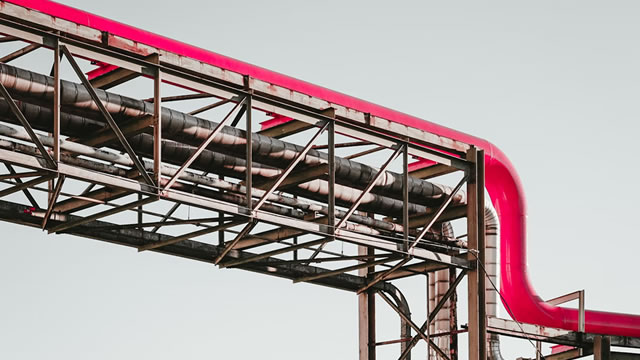
U.S. Seizes Second Oil Tanker Near Venezuela
The move ramps up pressure on Caracas after Trump declared a blockade on sanctioned ships moving its oil.
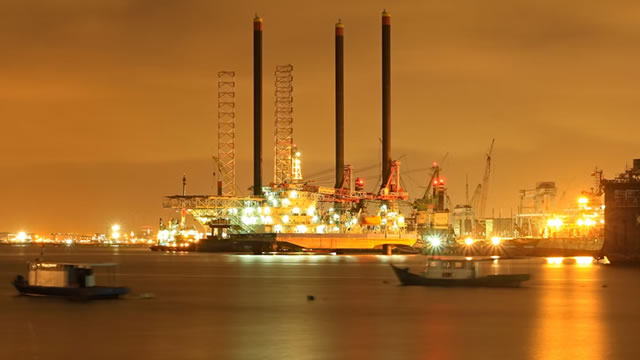
Watch for Crude Oil "Washout" Before Bottom Hits, Plunge to $15 Possible
Carley Garner believes there's more downside action coming for crude oil. She takes investors through her analysis in the commodity and how cooling tensions in the Russian-Ukraine War play a part.
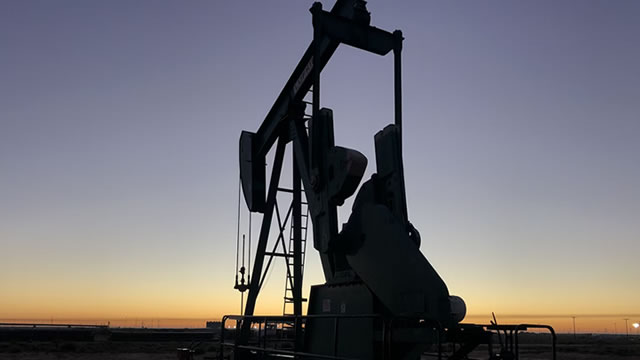
Crude Oil Price Outlook – Crude Oil Continues to See Floor Hold So Far
Crude oil is attempting a short-term recovery near key support, but persistent oversupply and weak structure keep rallies suspect. Any upside is viewed as temporary unless major resistance levels are reclaimed.




