





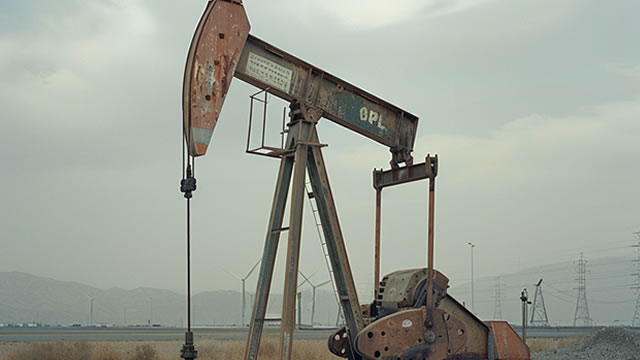
Oil Prices Climb as Trump's Venezuela Blockade Raises Supply Risks
Oil prices rose more than 1.5% after Trump ordered a total blockade of all sanctioned tankers to and from Venezuela, raising risks of prolonged supply disruptions in the region.

Oil Prices Climb as Trump's Venezuela Blockade Raises Supply Risks
Oil prices rose more than 1.5% on Wednesday after President Trump ordered a total blockade of all sanctioned tankers entering and leaving Venezuela, raising risks of prolonged supply disruptions in the region.

Trump Ratchets Up Pressure on Venezuela With Oil Blockade
President Donald Trump said he was ordering a blockade of sanctioned oil tankers going into and leaving Venezuela, ratcheting up pressure on Caracas amid a US military buildup in the region and the threat of land strikes. Bloomberg's Stephen Stapczynski reports.
Venezuela blockade could cause $5-7 increase in oil prices if enforced: Analyst
US President Trump has ordered a blockade on all sanctioned oil tankers going in and out of Venezuela, and designated the government a terrorist organization. Josh Young from Bison Interests warns there could be a 'meaningful impact' on oil supply if Trump's announcement translates to enforced policy, especially as tensions between both countries look on track to escalate.

Natural Gas and Oil Forecast: Rebounds Fade as OPEC+ Supply and Weak Demand Weigh
Natural gas and oil prices rebound on geopolitical risk, but rising OPEC+ supply and weak demand keep the broader energy outlook cautious.
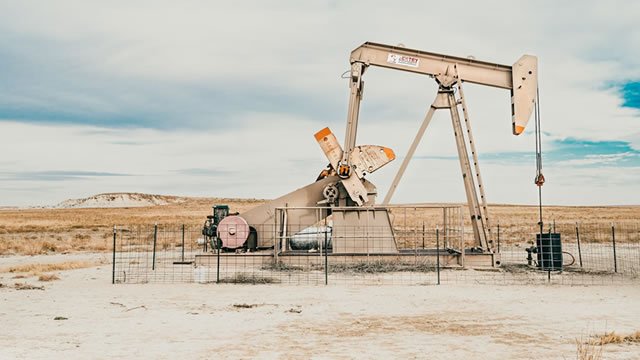
Oil Rises on Likely Technical Recovery
Oil rose in Asia's morning session on a likely technical recovery after oil futures fell to almost five-year lows overnight.
'Fast Money' traders talk crude oil hitting lowest levels since 2021
The 'Fast Money' traders talk crude oil hitting lowest levels since 2021.

Crude Oil Price Forecast: Sellers in Control With New Long Term Trend Low
Crude oil reached a slightly new bear trend low of $55.00 Tuesday, dipping below the April long-term trend low at $55.23 and the October $56.41 low.
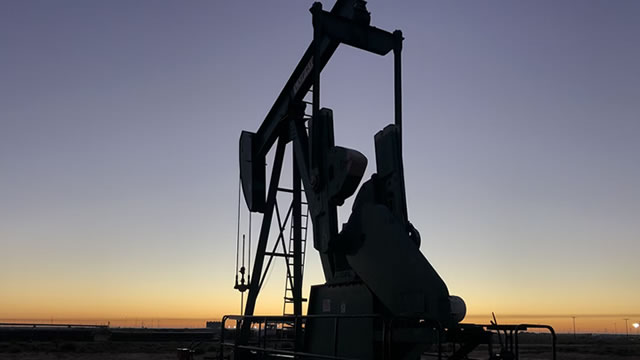
Oil markets have a supply problem, says Pickering Energy's Dan Pickering
CNBC's “Power Lunch” team discuss oil markets as crude oil prices reach their 2021 low with Dan Pickering, founder and chief investment officer of Pickering Energy Partners.
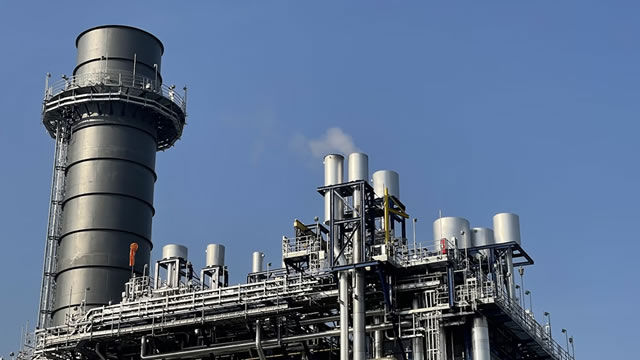
Russia-Ukraine Peace Prospects Keep Oil Under Pressure
Oil prices fell on pressure from progress toward a Russia-Ukraine deal. A potential cease-fire could see U.S. sanctions on Russian oil lifted relatively quickly, although the removal of European sanctions would likely be more gradual, said Rystad Energy.
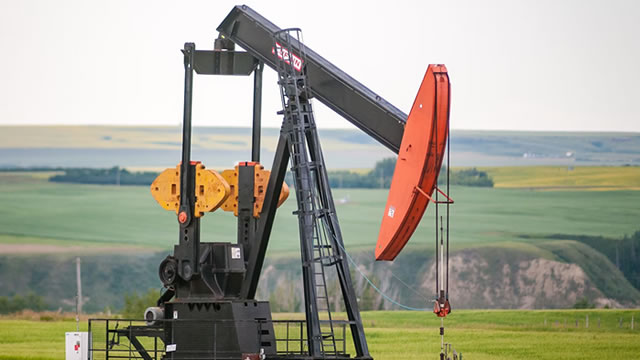
Oil prices tumble to lowest since May, on pace for biggest decline in 7 years
The oil market is under pressure as OPEC+ members have rapidly ramped up production and the U.S. pressures Ukraine to accept a peace agreement with Russia.

Oil Holds Near Lowest Level Since 2021 on Ukraine Peace Hopes, Looming Oversupply
Progress in talks to end the war in Ukraine has has fueled optimism among traders, as a potential deal could lead to the lifting of U.S. sanctions on Russian oil companies.




