




U.S. Strikes Raise Hormuz Risks: ETF Areas to Win/Lose
U.S.-Iran tensions are lifting oil prices and could reshape the outlook for energy, defense, gold and rate-sensitive ETFs.

Oil prices jump 3% to over $90 after US, Iran fire strikes for first time in a month
Tanker traffic through the Strait of Hormuz has been severely disrupted amid the Middle East conflict, which recently hit the six-month mark.

Oil Prices Jump Above $90 As U.S. and Iran Trade Strikes. Is $100 Next?
Oil markets have spent the past six months learning to live with an uncomfortable reality: The U.S.-Iran conflict can flare up quickly without necessarily becoming a full-scale war.

Oil Rises Amid Renewed Fighting in Middle East
Oil rose amid renewed fighting in the Middle East that could lead to supply disruptions.

Trump Says Venezuelan Oil Will Refill the U.S.'s Strategic Reserves. Reality Says Don't Count On It
President Trump has struck what his administration is calling a historic oil agreement with Venezuela, giving a U.S.-backed venture majority control over the development of 17 Venezuelan oil fields containing more than 65 billion barrels of proven reserves.

Persian Gulf oil exports rebound to two-thirds of pre-war levels — could keep oil below $90 mark
It's likely enough to keep oil in the high $70s to low $80s for the rest of the year – but there's very little room for error, according to experts.

Natural Gas and Oil Forecast: Crude Rebounds as Hormuz Risks Ease, Gas Eyes $3
Hormuz diplomacy improves but shipping remains constrained as WTI and Brent rebound, while natural gas holds its breakout and targets $3.00.

Are We Misreading The Oil Demand Shock From Hormuz?
Shortly after the US and Israeli strikes on Iran, a consensus formed: It was widely thought that, after a short war and a sharp spike, the cost of a barrel of oil would soon return to near pre-war levels, and demand would resume its previous growth pattern once the Strait of Hormuz reopened.

More Sudanese oil available for marine fuel blending as China demand eases
More barrels of South Sudan's Dar Blend crude oil returned to the marine fuel blending pool in Singapore and Malaysia this month as demand from China's refining sector eased, according to market sources and shipping data.

Natural Gas and Oil Forecast: Diesel Stocks Tighten as Hormuz Flows Slowly Recover
Hormuz talks ease some oil supply fears, but tight diesel stocks keep fuel markets constrained as WTI and Brent remain technically vulnerable.
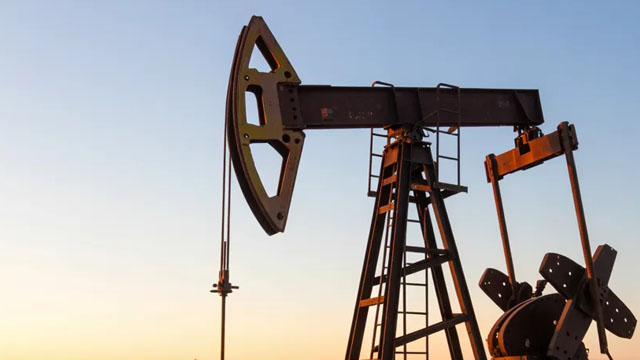
Oil Falls Amid Hopes for Reopening of Strait of Hormuz
Oil fell in early Asian trade amid hopes for a reopening of the Strait of Hormuz.

US preparing to ease environmental reviews for Alaska oil and gas drilling
The U.S. Interior Department is preparing to ease environmental review requirements for some oil and gas exploration activities in Alaska's National Petroleum Reserve as part of the Trump administration's push to speed energy development in the Arctic, an Interior spokesperson said on Wednesday.


