






U.S. Crude Oil Inventories See Modest Weekly Build
Commercial crude oil stockpiles, excluding the Strategic Petroleum Reserve, rose by 95,000 barrels to 428.9 million barrels in the week ended Aug. 21.

Stock Market Today: Brent Crude Retreats to $85
Nvidia earnings to take center stage later

Natural Gas and Oil Forecast: Hormuz Talks Offer Hope as U.S. Crude Stocks Rise
Hormuz talks offer some supply relief, but shipping remains constrained as U.S. crude inventories rise and WTI and Brent extend their declines.

Oil Falls on Signs of Middle East Talks
Oil fell in early trade on signs of Middle East talks, which could lead to reduced supply disruptions.

US oil prices extend losses on hopes of Iran-Oman talks on Strait of Hormuz
U.S. oil prices fell in early trade on Wednesday, extending the previous session's losses, on hopes the Strait of Hormuz could reopen after Iran said it had resumed talks with neighbour Oman on managing the strategic waterway.

Eco (Atlantic) Oil & Gas boosted as partner ups estimates in Falklands
Eco (Atlantic) Oil & Gas Ltd (TSX-V:EOG, AIM:ECO) highlighted potential exposure to around 225mln barrels of prospective oil at the first selected drilling target on the PL001 licence in the North Falkland Basin, where partner Navitas Petroleum plans exploration drilling as part of its upcoming Sea Lion campaign. Navitas estimates the target contains a 2U prospective resource of 640mln barrels.
Explaining "Disconnect" in Crude Oil Prices, Gasoline's "Psychological Hit"
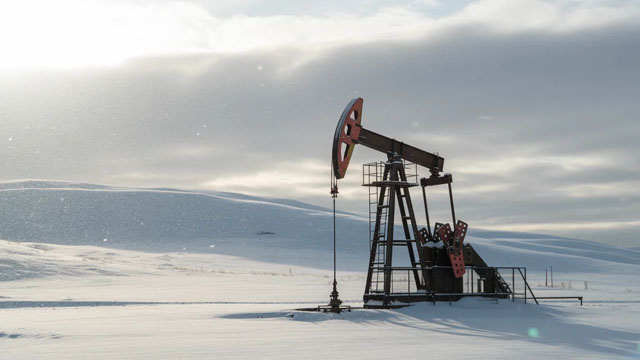
Crude oil's price action has been bearish even though headlines suggest bullish moves, says Carley Garner. She further explains the "disconnect" she sees in headlines centered on crude oil supply — and who benefits from higher prices.
Fewer than 20 ships transit key Strait of Hormuz over weekend, data shows
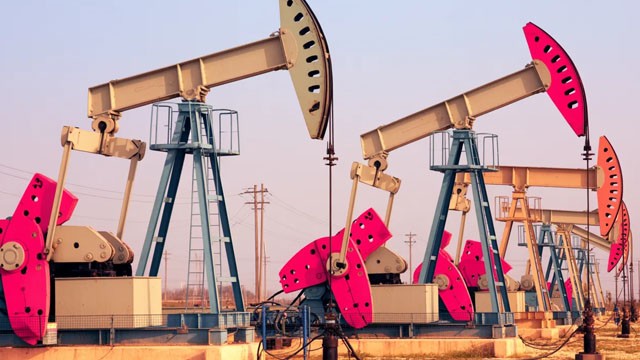
Fewer than 20 commodity vessels transited the Strait of Hormuz at the weekend, shipping data showed on Monday, as Iranian and U.S. blockades restrict traffic through the chokepoint for energy shipments.

Oil Falls on Possible Position Adjustments Before Potential U.S. Sanctions on Iran
Oil fell in early Asian trade on possible position adjustments. The U.S. is expected to announce new economic sanctions against Iran on Monday.
Oil News: Crude Oil Traders Eye Hormuz Traffic as Supply Risk Builds
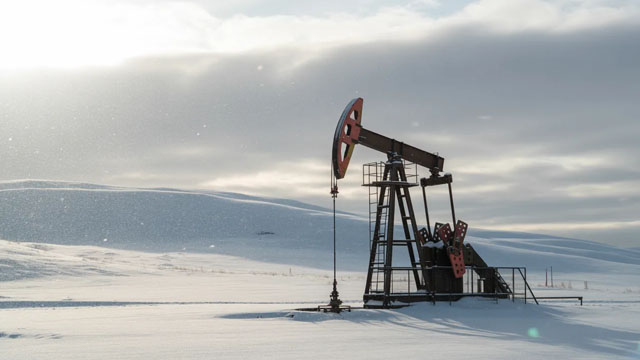
Crude oil buyers hold control as limited Hormuz supply and strong refining margins keep sellers on the defensive.
Why Oil Refiner Stocks Can Keep Gaining
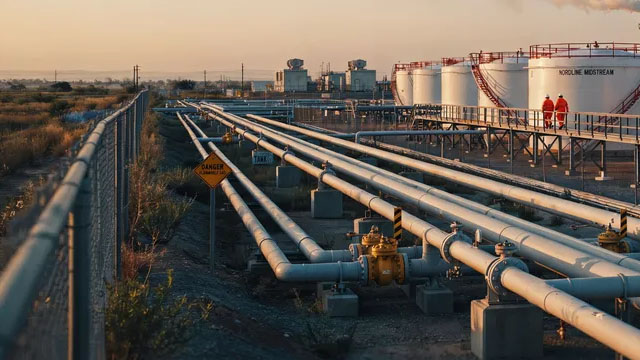
While crude oil is up about 50% in 2026, gasoline and diesel have risen more sharply. And the refiners are along for the ride.

Natural Gas and Oil Forecast: Hormuz Risks Support Oil as U.S. Inventories Build
WTI and Brent remain bullish as Hormuz traffic falls sharply, while rising U.S. crude and natural gas inventories provide a domestic supply buffer.




