





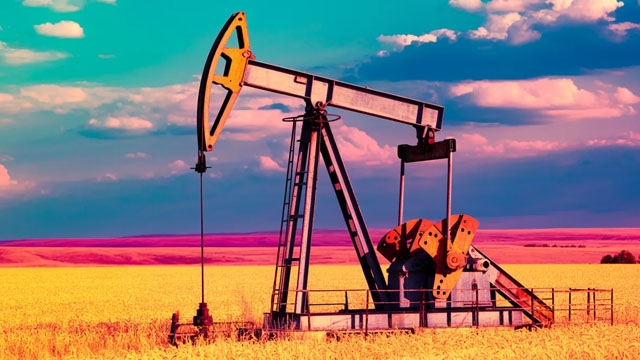
Natural Gas and Oil Forecast: Hormuz Risks Support Oil as U.S. Inventories Build
WTI and Brent remain bullish as Hormuz traffic falls sharply, while rising U.S. crude and natural gas inventories provide a domestic supply buffer.
Oil Futures Fall on Likely Technical Correction
Oil futures fell on a likely technical correction after the futures rose for a fifth consecutive session on Thursday.
Bessent: “I Don't Really Understand” Oil Price Spike, As Iran War Nears 6 Month Mark
Treasury Secretary Scott Bessent told reporters Thursday, Aug. 20, 2026 that “We've got a spike in oil prices today that I don't really understand.
Natural Gas and Oil Forecast: Hormuz Risks Clash With Rising U.S. Crude Stocks
Oil markets balance rising U.S. crude inventories and softer demand against persistent Hormuz supply risks, while global LNG conditions tighten.
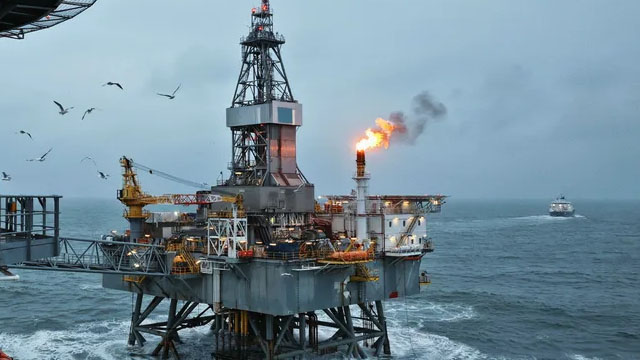
Oil prices steady as investors assess US-Iran war outlook
Oil prices steadied in early trade on Thursday as investors assessed the outlook for the U.S.-Iran war and the security of shipping through the Strait of Hormuz.

Oil Edges Higher Amid Lingering Middle East Tensions
Oil edged higher in early Asian trade amid lingering tensions in the Middle East, which could lead to more supply disruptions.
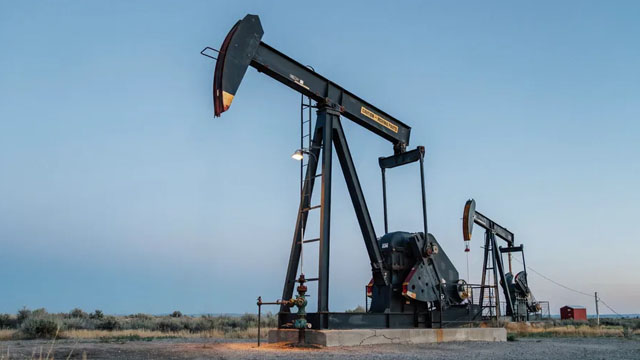
U.S. Crude Oil Stockpiles Post Weekly Increase
U.S. commercial crude oil inventories rose by 4.4 million barrels last week in a third consecutive build, according to the Energy Information Administration.
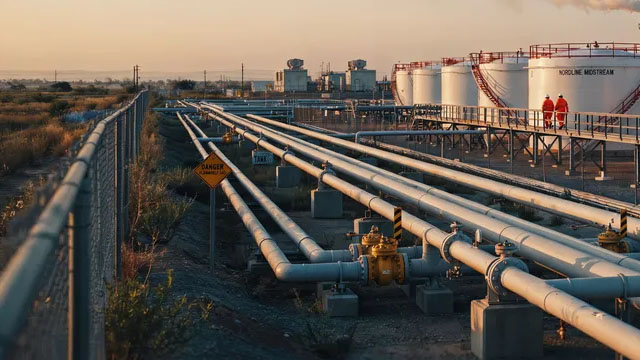
Oil Rises Amid Growing Concerns Over Supply Disruptions
Oil rose in Asian early trade amid growing concerns over supply disruptions.
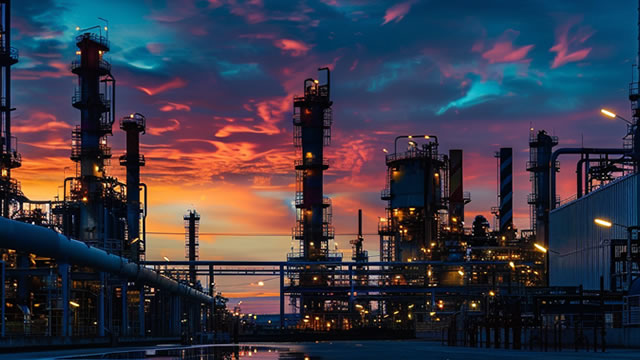
Wall Street wakes up to oil, bombs and bond-market drama
Ahead of the bell Good morning. If you were hoping for a quiet Tuesday, the futures screen has other ideas.
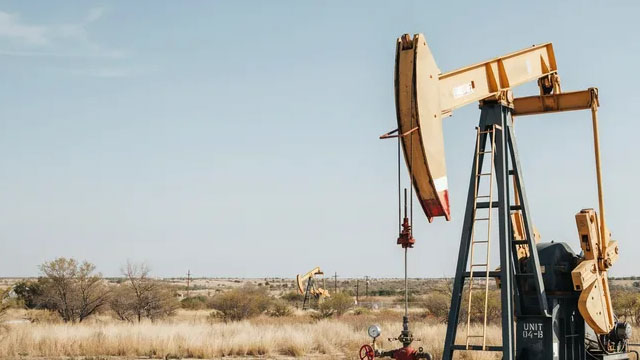
Here's the real reason oil prices aren't moving higher
Oil prices are not higher largely because the world does not want as much oil as it used to — and that's arguably the more troubling story.
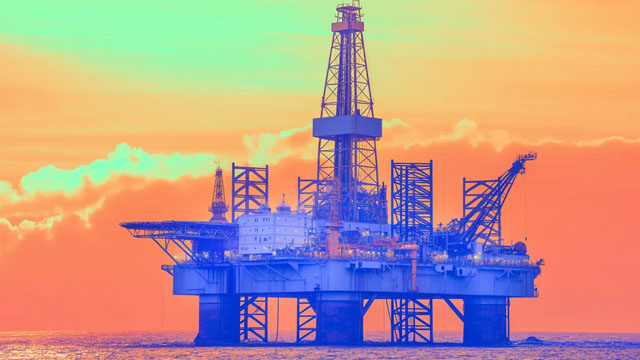
Billionaire Peter Thiel buys 1% stake in Argentine Vaca Muerta oil firm, filing shows
Palantir chair and co-founder Peter Thiel has bought a 1% stake in Argentina's Vista , one of the largest oil companies operating in the country's Vaca Muerta shale formation, according to a U.S. Securities and Exchange Commission filing.

'Economic Isolation' for Iran? ETFs to Gain/Lose
Iran faces new economic pressure. See which ETFs could gain or lose from higher oil, defense spending and inflation risks.




