






Oil News: Bearish Oil Outlook Deepens on OPEC+ Hike Talk and Demand Concerns
Crude oil prices remain under pressure as OPEC+ production hikes and weak oil demand cloud the outlook, with key technical support barely holding.
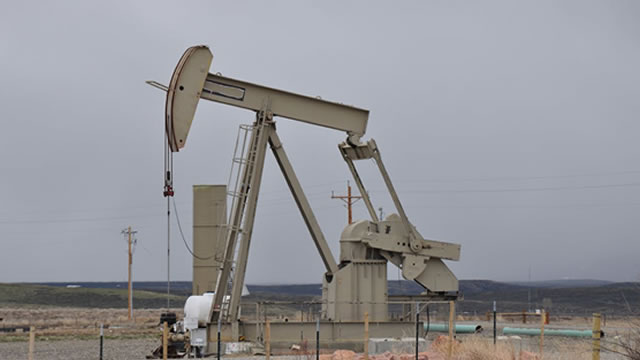
Oil steadies as investors weigh OPEC+ output hike against US crude inventories
Oil prices steadied in early trade on Wednesday after two consecutive days of losses as investors weighed potential OPEC+ plans for a larger output hike next month against the prospect of shrinking inventories in the U.S.

Big Oil Is Getting Leaner and Leaner
Exxon is the latest large oil company to announce job cuts as the industry continues to adapt to lower oil prices.
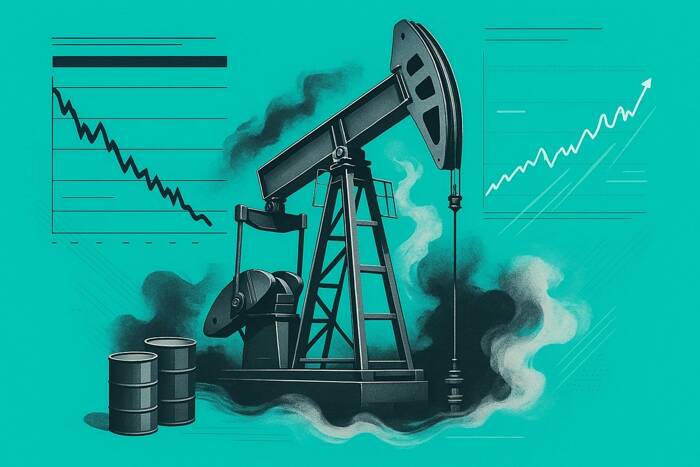
Crude Oil Price Outlook – Crude Oil Bounces After Drop
The crude oil market continues to see a lot of support below current levels, but at this point, the biggest thing to keep in mind is that we are still in a range, as there are a lot of external noises out there to cause the range to continue.

Exxon Mobil Is Cutting 2,000 Jobs, Report Says. Slumping Crude Prices Aren't Helping.
Benchmark oil prices have slumped this year as the OPEC+ cartel bids to win back market share.
OPEC+ weighs output plans as Iran snapback sanctions hit
OPEC+ is planning an output hike in November, according to early reports. CNBC's Dan Murphy has more.
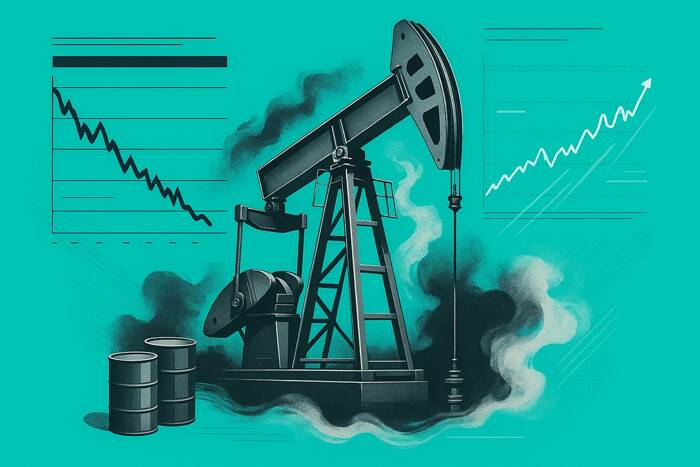
Twilight of Shale: Bulls Hold Near-Term, But Inventories Flag October Headwind
Macro Oil extended gains into late September, but the risk-reward is getting tighter. The Dallas Fed's Q3 Energy Survey—covering 139 firms (93 E&Ps, 46 services) from September 10–18—shows rising cost pressure (F&D up to 22.0; LOE up to 36.9) and broad caution, with roughly four in five firms delaying investment

Oil slips as Kurdistan crude exports resume, OPEC+ plans output hike
Oil prices slipped nearly 1% on Monday after Iraq's Kurdistan region resumed crude oil exports via Turkey over the weekend and as OPEC+ plans another oil output hike in November, adding to global supplies.
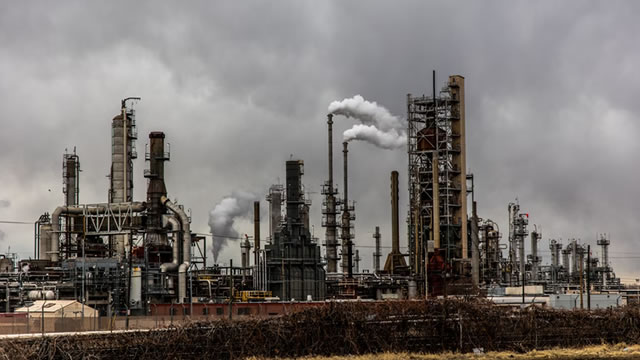
Oil News: Bullish Oil Outlook Builds as OPEC Shortfall and Russia Ban Tighten Supply
Crude oil futures rally as Russia's export bans and OPEC+ shortfalls tighten global supply. Weekly oil outlook targets $69.34 with bullish momentum intact.
Oil and Natural Gas Analysis: Energy Prices Gain on Supply Draws and Geopolitical Risks
Oil and natural gas regained momentum due to supply draws and geopolitical risks, while the US Dollar Index consolidated near key levels that will shape the next move.
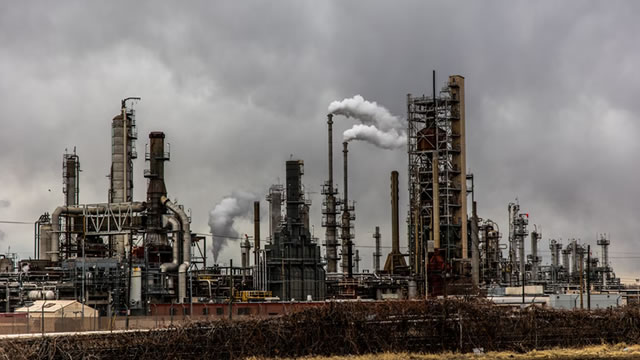
EU Seeks to End Russian Oil Purchases, Von der Leyen Says
“We want to put tariffs on oil supplies that are still coming to the European Union,” said European Commission President Ursula Von der Leyen. She stated that European nations are looking to stop the purchase of Russian oil, as President Donald Trump has called for many to do.
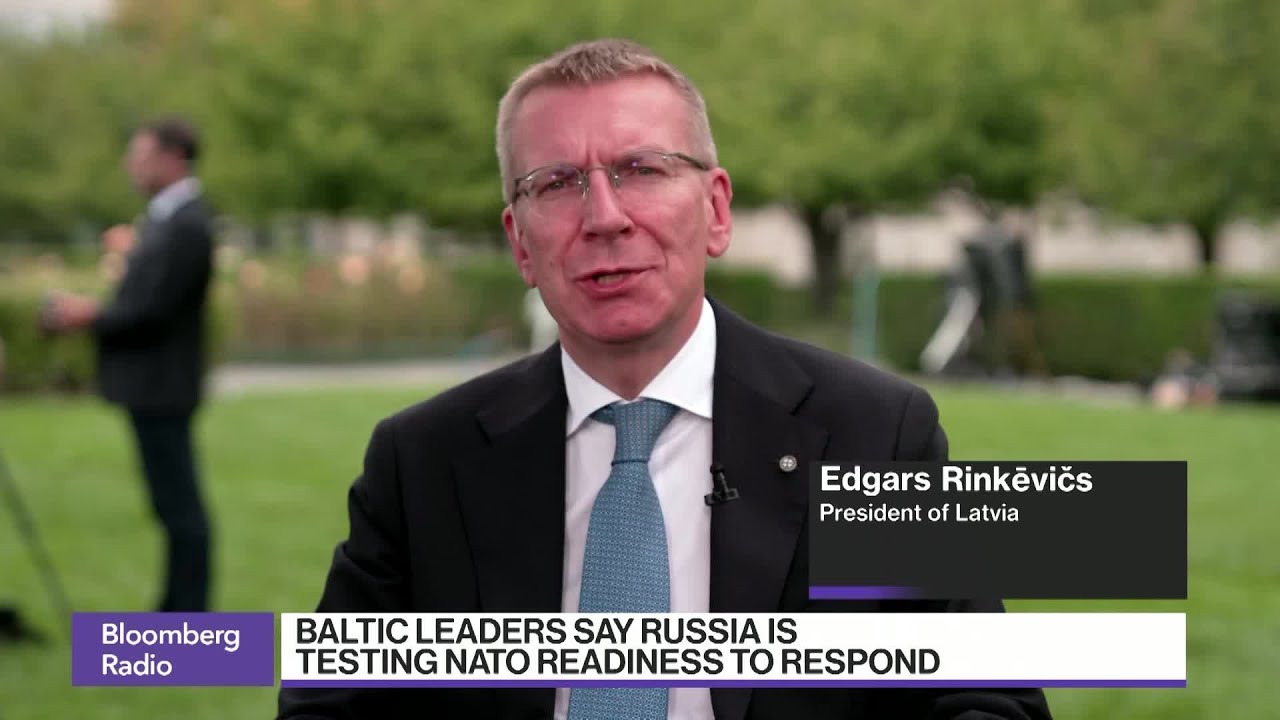
Latvia's President Says Europe Must Not Buy Russian Oil
Latvian President Edgars Rinkevics talks about what it takes to defend against Russian aggression and how a drone wall could be used. Russian fighter jets have recently gone into Polish and and Estonian airspace, ratcheting up tension in the region.




