






Crude Oil Weekly Price Outlook – Crude Oil Bounces a Bit
The crude oil market rallied a bit for the week, as we are trying to find come kind of floor in this commodity. However, we have a lot of concerns about the US, OPEC, and Russia all pumping out even more oil at the moment than before.
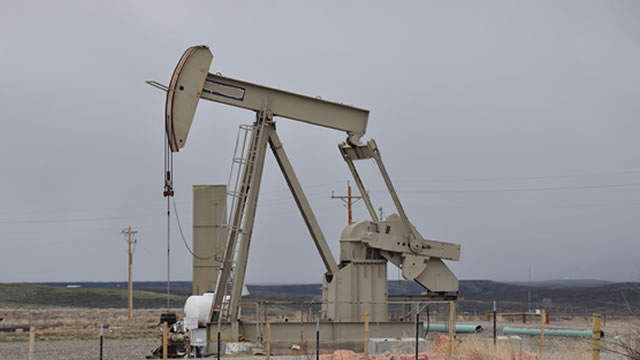
Oil prices set to snap two-week losing streak as peace in Ukraine remains elusive
Oil prices were little changed on Friday but were on track to snap a two-week losing streak as hope for immediate peace between Russia and Ukraine dimmed, increasing the risk premium demanded by oil sellers.

Dangote's $20 Billion Oil Refinery: Will Project Benefit Nigeria?
Aliko Dangote's oil refinery, 50 miles from the center of Lagos, is the billionaire's boldest bet. Bigger than any in Europe, it took 11 years and $20 billion to build, three-and-a-half times as long and more than twice as much money as initially planned.

Oil and Natural Gas Technical Analysis: Rebound Amid US Inventory Draw and Geopolitical Risks
Oil prices rebounded on a sharp US crude inventory draw, but bearish technical trends in WTI and natural gas persist, while the US Dollar Index consolidates near key support amid geopolitical uncertainty.

Oil prices gain as US inventory withdrawals point to strong demand
Oil prices gained slightly on Thursday as larger-than-expected declines crude oil and fuel inventories in the U.S., the world's biggest oil user, supported expectations for steady demand.

Oil prices rise after supply concerns resurface as Ukraine peace talks stall
Oil prices rose on Wednesday as supply concerns are resurfacing while peace talks ending Russia's invasion of Ukraine are likely to take longer, leaving in place sanctions on Russian crude and raising the chance of further restrictions on its buyers.
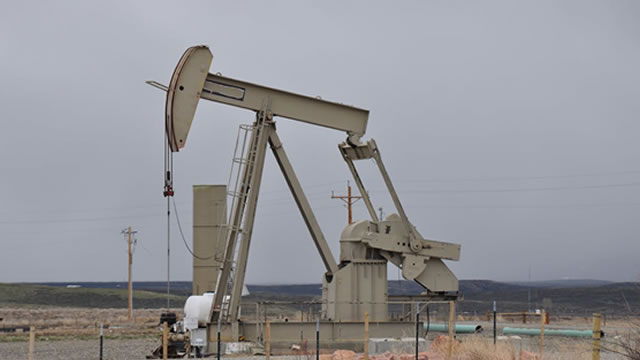
Crude Oil Price Forecast: Consolidates as Bears Press Key $62 Support
Crude oil extended its consolidation activity Tuesday, holding between $62.19 support and $64.18 resistance, as traders weigh potential bearish continuation against signs of short-term reversal.

U.S. accuses India of profiteering from Russian oil
Treasury Secretary Scott Bessent accused India of profiteering from Russian oil by refining and reselling it elsewhere in the world. Bessent condemned the practice as "arbitrage.

Natural Gas and Oil Forecast: OPEC+ Supply and Geopolitical Risks Fuel Market Volatility
Energy prices slide as oil extends a 10% monthly drop, natural gas stalls under EMAs, and markets await clarity on supply and geopolitical risks.

Trump's Ukraine Meeting Can Upend Oil Prices. It Isn't the Only Crunch Point for Crude.
The U.S. president Volodymyr Zelensky are set to meet on Monday. Russian oil remains a key economic pawn.

Oil News: Could Russian Supply Risk Reprice Crude Futures After Trump-Putin Talks?
Crude traders await market reaction to Trump-Putin talks that could reshape Russian oil supply and shift the near-term oil outlook below key technical levels.

Oil News: Crude Oil Holds Bearish Bias Below 200-Day MA, 50-Day Caps Momentum
Crude oil holds a bearish bias below the 200-day MA, as traders await a 50-day break to confirm momentum. Geopolitics and weak China data add pressure.




