






Oil execs are growing more concerned over the Israel-Iran conflict
Oil prices have climbed steadily since tensions have increased. Transcript: Oil prices continue to rise amid escalating conflict in the Middle East.

Oil News: Iran-Israel Conflict Keeps Risk Premiums Elevated Despite Demand Downgrade
Crude oil rises as Iran-Israel conflict and Fed policy drive sentiment; traders await a breakout catalyst.
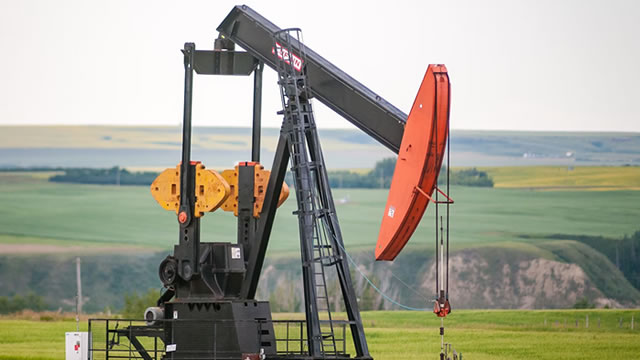
If Iran's Oil Is Cut Off, China Will Pay the Price
Chinese refineries have become hooked on cheap imports of sanctioned Iranian crude.

Oil and Natural Gas Rally on Geopolitical Risks as US Dollar Drops
WTI crude oil surged to $77 and broke above the 200-day SMA amid the Iran-Israel conflict, while natural gas is building positive momentum above $3.

Opinion | The Oil Price Spike That Wasn't
Global production is well placed to cope with Iranian disruption.
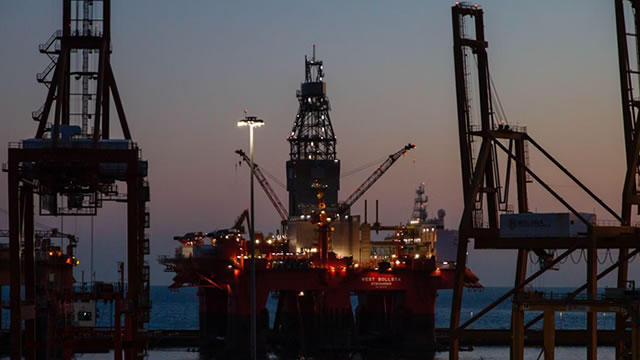
Catalysts for the next market rally, oil prices pull back, winners and losers in China
Catalysts anchor Brad Smith breaks down the latest market movers for June 16, 2025. Brad speaks to StockBrokers.com director of investor research Jessica Inskip about risks to markets and the next key catalysts for a market rally.

S&P 500 called higher and oil prices drop as markets shrug off Israel-Iran conflict
Wall Street stocks were called higher at the start of the week, while oil and gold prices fell as markets revised their views on the potential fallout from the Israel-Iran conflict, which continued to rumble over the weekend. Futures for the S&P 500 and Nasdaq 100 were up 0.5% ahead of Monday's opening bell, with Dow Jones futures up 0.4%.
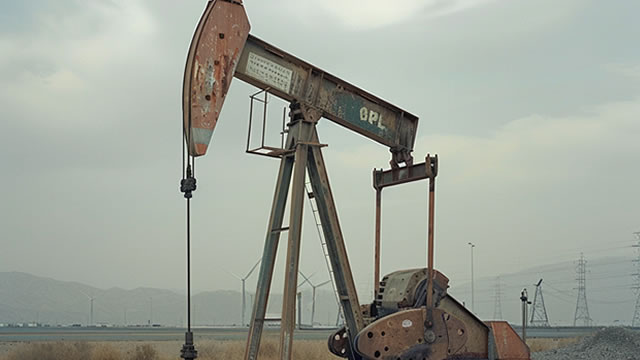
Trump Trade War, China Slowdown, and Middle East Crisis Fuel Oil Volatility
Trump tariffs, the China slowdown, and the Iran-Israel conflict have triggered strong volatility in the oil market, pushing WTI crude oil above $75.

Oil News: Strait of Hormuz Stable—Neutral Oil Outlook Despite Middle East Tensions
Crude oil prices dip as Israel-Iran conflict spares supply lines; traders monitor Strait of Hormuz and OPEC output for further oil outlook clues.
Dax Index News: Forecast Wavers as Traders Weigh Middle East Risks and US Data
DAX forecast pressured by war-driven risk aversion, tariff concerns, and data risks. Market sentiment hinges on geopolitical and economic signals.

Oil prices add to gains after Israel hits Iran energy facilities; stocks taking turmoil in stride
Oil futures jumped as the market reopened Sunday night, building on last week's surge after Israel attacked Iranian energy facilities over the weekend and underlining fears around potential disruption to Middle Eastern crude flows.

Oil prices rise as Israel-Iran conflict heightens fears of supply disruptions
Oil prices jumped in early Asian trade on Monday after Israel and Iran launched fresh attacks on Sunday, heightening fears that escalating battle could trigger a broader regional conflict and widely disrupt oil exports from the Middle East.




