






Oil, Natural Gas, and US Dollar Analysis Amid Trade Talks and Geopolitical Risks
WTI crude oil rebounded from the key level of $55 toward the resistance at $66, while natural gas remains bullish above the key level of $3.

Crude Oil Price Outlook – Crude Rallies to Kick Off the Week
The crude oil markets are getting very interesting at the moment, as the WTI/CL contract looks to break above a massive resistance barrier. Are we finally going to see the breakout that the market has been hinting at?

Oil News: Crude Oil Futures Edge Higher with 200-Day Moving Average in Sight
Crude oil futures edge higher as traders focus on the 200-day MA; OPEC output plans and U.S.-China trade talks steer near-term oil prices forecast.
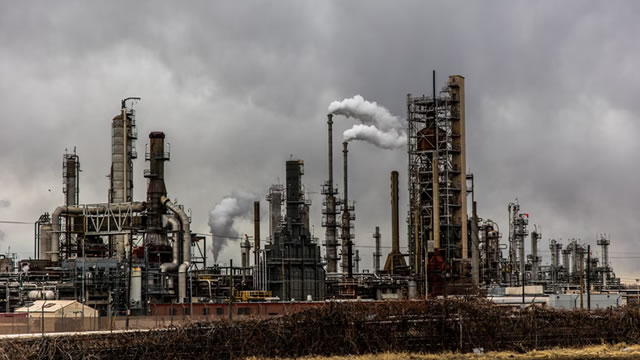
Oil market to remain range-bound at $60-$70/bbl: Rystad Energy
Claudio Galimberti, Chief Economist & Global Director of Market Analysis at Rystad Energy, shares his view on the oil market and adds that the "litmus test" for global oil demand would be the OPEC+ meetings in August and September. He adds that an increase in output from the oil production group would signal a change in positioning from price support to market share.
Oil prices hold gains ahead of US-China trade talks
Oil prices held on to last week's gains early on Monday as investors waited for U.S.-China trade talks to be held in London later in the day.
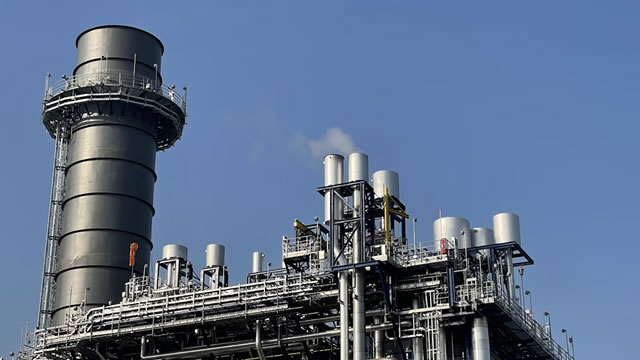
Natural Gas and Oil Forecast: Geopolitical Tensions Lift Prices, But Resistance Looms
WTI crude rises 4% as demand and geopolitical tensions lift sentiment, but resistance at $63.86 and weak Asia demand cap gains.

Oil prices on track for solid weekly gains as China and U.S. resume trade talks
Oil prices slipped on Friday but were on track for their first weekly gain in three weeks after U.S. President Donald Trump and China's Xi Jinping resumed trade talks, raising hopes for growth and stronger demand in the world's two largest economies.

Oil Prices Have Stayed Unexpectedly Strong. One Wildcard Could Keep Them Rising.
Oil prices are defying the odds right now, rising despite a near-certainty that the oil market will be oversupplied in a matter of weeks. Absent a geopolitical shock like an escalation between the U.S. and Iran, oil prices seem destined to fall in the coming weeks.
Crude Oil Price Outlook – Crude Oil Continues to Build Pressures
Crude oil markets continues to look as if they are building a bit of pressure in a basing pattern. With this, the market is likely to continue to see a lot of choppy behavior.

Oil Edges Lower on Mixed Signals
Oil edged lower in the early Asian session amid mixed signals.
Oil rises on Iran, Russia and Canada supply concerns
Oil prices rose in early Asia trade on Tuesday on concerns about supply, with Iran set to reject a U.S. nuclear deal proposal that would be key to easing sanctions on the major oil producer, and with production in Canada hit by wildfires.

Oil Rises Amid Ongoing Geopolitical Tensions
Oil rose in the early Asian session amid ongoing geopolitical tensions.




