






Oil prices set to drop for a second week as US-China trade war to cut demand
Oil prices fell on Friday and were set to drop for a second week on concerns prolonged trade war between the United States and China, the world's largest economies, will crush crude consumption as their dispute curtails economic growth.

Oil Falls Amid Jittery Markets
Oil fell in the early Asian session amid jittery markets. President Trump's 90-day pause on steep ‘reciprocal' tariffs for most countries doesn't alleviate uncertainty, ANZ Research analysts said.

Crude Oil Price Forecast: Rebounds After Testing Long-Term Channel Support
A sharp rebound after testing a long-term channel suggests crude oil may be stabilizing, though further volatility and support tests remain possible.

Oil and commodities are in the crosshairs right now, says Currie
“There's a lot of downside risk here” with oil and commodities “in the cross-hairs” of the trade war, Jeff Currie, chief strategy officer for energy pathways at Carlyle Group, said on Bloomberg Television.

Crude Oil Price Outlook – Crude Oil Continues to Look Noisy
The crude oil market continues to see a lot of noisy behavior, as we are trying to form some kind of range at this point. The markets will continue to try to get a grip on what happens next with the tariff war.

Oil prices fall more than 2% as traders focus on escalating U.S.-China trade war
Trump's decision to increase tariffs on China, the world's second-largest economy and biggest crude importer, to an eye-watering 125% weighed on the market.

Crude Oil and Natural Gas Technical Analysis – Critical Support and Resistance Zones
WTI crude oil rebounds to $63, while natural gas forms a bullish hammer at the support zone.

Oil Gains on Trump's 90-Day Pause on Higher U.S. Tariffs
Oil rose in the early Asian session, boosted by President Trump's 90-day pause on higher U.S. tariffs for most countries.
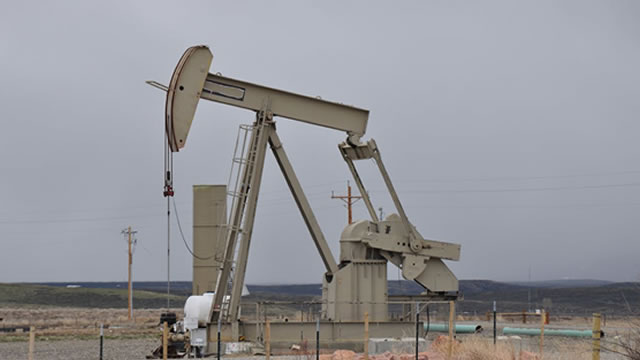
U.S. Crude Oil Inventories Rise for Second Straight Week
U.S. crude oil inventories rose for a second consecutive week, climbing 2.6 million barrels, amid an increase in net imports.

Crude Oil Price Outlook – Crude Continues to Search for a Bottom
The crude oil markets continue to see a lot of negative issues, as this point in time, the market still can't seem to find it.

Too Much Oil And Not Enough Demand
Listen on the go! A daily podcast of Wall Street Breakfast will be available by 8:00 a.m.

Oil Prices at Four-Year Low on Trade War, Surprise OPEC+ Move
Oil sank to a four-year low as an intensifying global trade war threatens to batter energy demand, with a fresh wave of US levies going into effect in a move that will deal a heavy blow to the global economy. The losses have been compounded by a decision by OPEC+ to loosen output curbs at a faster clip than previously expected.




