





Natural Gas and Oil Forecast: Uptrend Intact for Brent as Bulls Defend $72.62 Pivot
Brent oil's bullish structure holds above $72.62. Price action supported by EMAs, with breakout potential toward $74.91 if $73.62 is breached.
Oil Rises Amid Supply Concerns
Oil rose in early Asian trade amid supply concerns. Crude oil prices could be more volatile as market participants navigate the uncertainty around recent global developments, Tickmill said.
Oil edges higher on tighter supply concerns
Oil prices climbed on Wednesday in early Asia trade on concerns of tighter supplies after U.S. President Donald Trump threatened tariffs against countries importing oil and gas from Venezuela and after U.S. crude inventories fell more than expected.
Why oil companies may not love Pres. Trump's 'drill, baby, drill' agenda
President Donald Trump is seeking lower energy costs for U.S. consumers. His policies may affect oil and gas companies' profit margins.

Crude Oil Price Outlook – Crude Oil Continues to Recover
The crude oil market has rallied a bit in the early hours of Tuesday, but at this point in time, the market is focusing on the idea of the demand season picking up, as we have bounced from the three year support level.

Trump Plans 25% 'Secondary Tariffs' on Venezuela Oil Buyers
US President Donald Trump issued an order allowing a 25% tariff to be imposed on any nation purchasing oil and gas from Venezuela in what he dubbed "secondary tariffs." The order takes effect April 2, the same day Trump's administration is expected to unveil a wider array of levies targeting multiple countries.
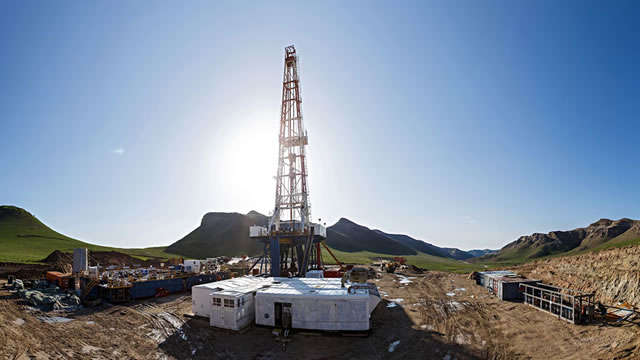
Natural Gas and Oil Forecast: OPEC+ Output and U.S. Tariffs Drive Short-Term Setup
Oil steadies near $69 as OPEC+ plans May output hike and U.S. tariffs tighten Venezuelan and Iranian crude supply. NG remains bearish below $4.01.

Oil, Natural Gas, US Dollar Analysis: Critical Support Levels Hold Amid Geopolitical Risk
WTI crude oil rebounds from the long-term support region, while natural gas remains in correction mode.

Oil prices little changed as investors weigh impact of Trump tariffs
Oil prices barely moved on Tuesday as investors weighed the impact of U.S. tariffs on countries buying oil and gas from Venezuela against the effect of tariffs on industries such as automobiles on the global economy and oil demand.
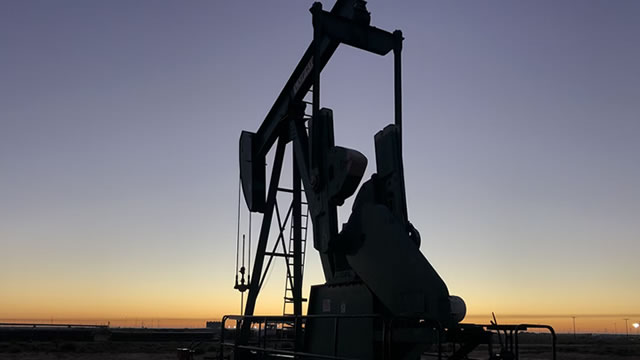
Oil Steady; U.S. to Put Tariff on Buyers of Venezuela's Oil
Oil was steady in the early Asian trade. Imposition of U.S. tariffs on goods from any country that buys oil or gas from Venezuela.
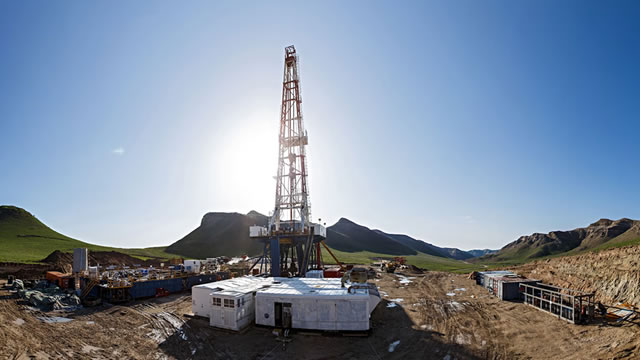
Goldman Sachs expects non-OPEC+ production growth to slow with decline in Brent prices
Goldman Sachs on Monday said it expects non-OPEC+ output growth to slow by about 0.3 million barrels per day (mb/d) over a 12-month period for every $10 per barrel decline in oil prices when Brent crude is above $70.

Trump: Any country that purchases oil from Venezuela will have to pay 25% tariff on trade with U.S.
President Donald Trump said Monday any nation that buys oil and gas from Venezuela will face a 25% tariff on any trade that country does with the United States. The tariff will take place on April 2, the president said in a post on his social media platform Truth Social.




