





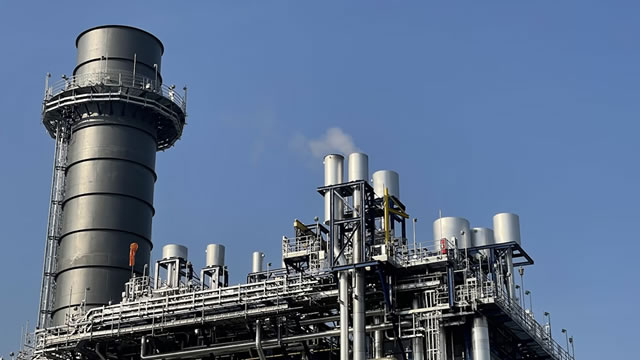
Oil News: U.S. Fuel Demand Lifts Crude Prices—Key Resistance Levels Ahead
Oil prices edge higher but stay near $66.75 support. Strong U.S. demand and a weaker dollar provide support, while OPEC+ output and China's imports add risks.

Natural Gas and Oil Forecast: Can Strong U.S. Demand Push Prices Higher?
Oil gains momentum as distillate stocks fall 2.8M barrels, exceeding expectations. Will demand strength and Fed policy push prices even higher?
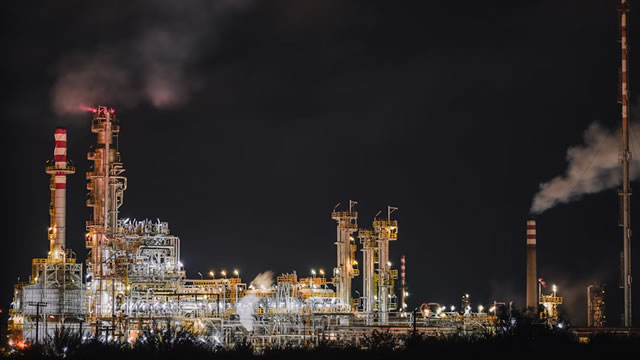
Oil prices rise on US data, Middle East tensions
Oil prices rose in early trading on Thursday on a decline in U.S. fuel inventories and a ratchetting up of tensions in the Middle East.

Crude Oil Faces Bearish Pressure, While Natural Gas Finds Support
WTI crude oil continues to trend lower, while natural gas rebounds from support and remains bullish.

Oil Edges Higher Amid Uncertain Outlook for Russia-Ukraine Peace Deal
Oil edged lower in the early morning Asian session amid an uncertain outlook for a Russia-Ukraine peace deal.

Greenpeace Ordered to Pay Hundreds of Millions in Oil-Pipeline Suit
The environmental group and Native American groups protested the Dakota Access project for months in 2016.

Strategist: Falling oil prices are a sign that markets are 'largely ignoring' politics
Vikas Dwivedi of Macquarie Group says falling oil prices can help offset the U.S. administration's potentially inflationary policies. He also says a 'zone of indifference' for producers range between $65 to $75.
Trump to meet oil executives to discuss energy agenda as tariffs weigh on prices
President Donald Trump is scheduled to meet with oil industry executives at the White House. Trump wants to boost domestic oil production but his tariffs are weighing on crude prices.

Crude Oil Price Outlook – Crude Oil Continues to Consolidate
The crude oil markets that I follow are looking very much like a set of markets that are trying to find a bottom. At this point, we continue to rely on the same support level from the last three years.

Oil prices tick lower after Russia agrees to 30-day halt on energy-infrastructure attacks
Oil futures were off slightly Wednesday, seeing some modest pressure a day after Russian President Vladimir Putin rejected a full cease-fire in the country's invasion of Ukraine but agreed to a mutual halt on energy infrastructure for 30 days.

Oil News: Russian Ceasefire Hints at Higher Crude Supply—How Will Markets React?
Crude futures slip as Russia halts energy strikes, raising supply concerns. Market outlook remains bearish, but Middle East tensions could limit losses.

Natural Gas and Oil Forecast: Supply Risks vs. Demand Growth—What's Next for Prices?
Oil prices climb as Middle East tensions and China's stimulus fuel demand. Can WTI and Brent sustain gains, or is a correction looming?




