





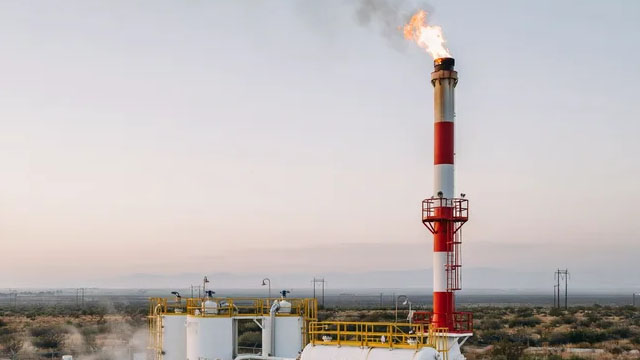
Trump Criticized Biden for Draining America's Oil Reserves. They're Now at a 43-Year Low Amidst a Middle East War.
In August 2024, candidate Donald Trump told a rally crowd that Joe Biden was “using the strategic reserves, which is meant for military, which is meant for war,” and pledged that “We have to fill up the strategic reserves immediately.

5 Best-Performing Leveraged ETFs of Last Week
Leveraged ETFs posted huge gains last week despite a weak market, driven by rallies in crypto, AI infrastructure, defense and energy-related stocks.

Oil Extends Fall on Hopes of Hormuz Reopening, But Chip Selloff Deepens
President Trump said that talks with Iran were taking place. In response, Brent crude further declined while Treasurys strengthened and the dollar fell.
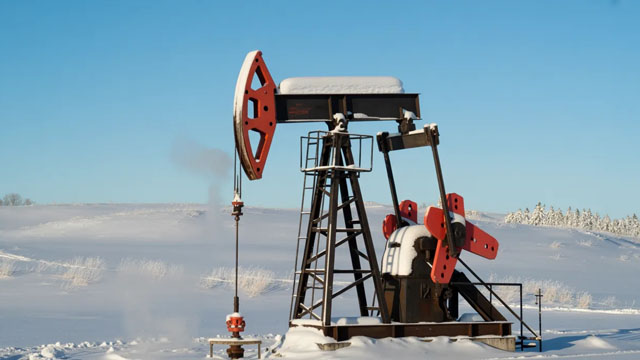
Oil prices fall 1% as investors weigh pause in US strikes on Iran
Oil prices fell 1% on Tuesday as market participants continued to weigh a pause in U.S. strikes on Iran, which has raised hope of a diplomatic solution to their conflict and the normalisation of Middle East energy flows.
Australia considers first domestic oil refinery in 60 years
Australia said on Tuesday it would consider building its first new oil refinery in more than 60 years, as war in the Middle East squeezes supplies from overseas and underscores the urgency to improve energy security.

Oil Slides as Tensions Ease With US-Iran Fighting Paused
A pause in attacks for a third straight day between the US and Iran helped to push down oil prices and boost global stock and bond markets following two weeks of clashes. Tyler Kendall reports on Bloomberg Television.
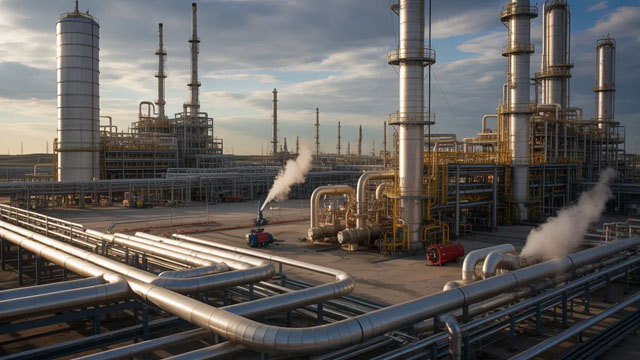
Oil Supply Shock: Can Weak Demand Help?
The U.S.-Iran war intensified in recent days, while shipping disruptions are worsening across two of the world's most important oil transit routes. Traffic through the Strait of Hormuz has plunged, and Houthi attacks in the Red Sea are threatening another key export corridor for Middle Eastern crude.
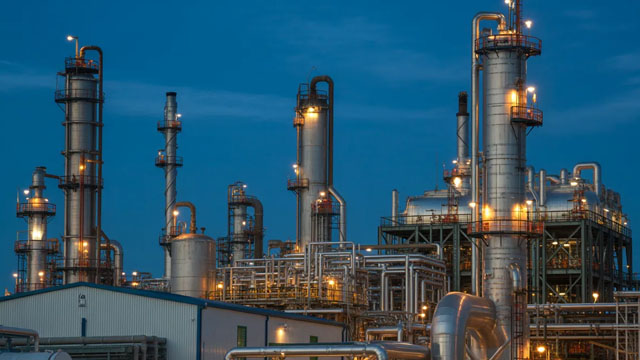
Oil prices see largest one-day declines in two months amid pause in strikes
West Texas Intermediate and Brent crude's front-month contracts fell on Monday after the U.S. paused launching attacks at Iran.
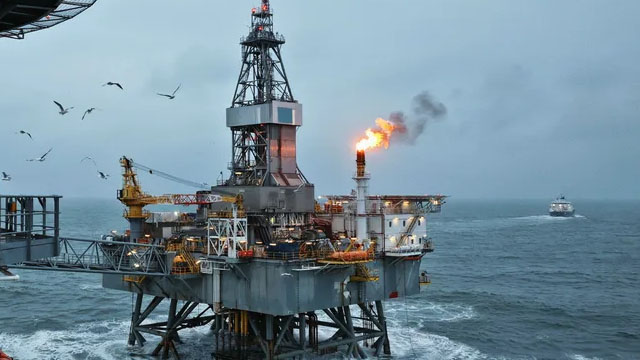
Stock Market Today: Pause in Mideast Fighting Sends Oil Lower, Stock Futures Higher
Brent crude is back below $90 a barrel
Oil prices dip over 6% after US, Iran pause fighting over weekend
Oil prices tumbled more than 6% on Monday after the US and Iran paused strikes over the weekend after two weeks of attacks, raising hopes of a diplomatic solution that would de-escalate the conflict and allow shipping to resume in the Strait of Hormuz.
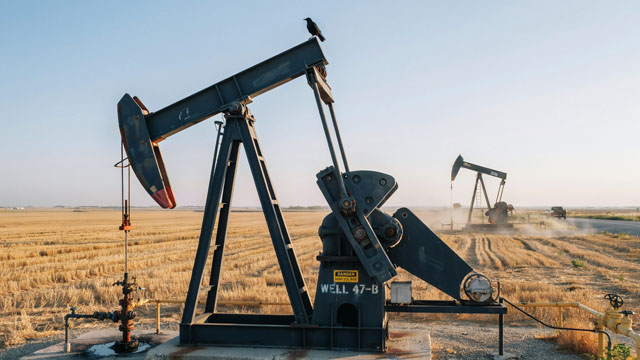
Oil to hit record high: Analyst says prices may be too low with current escalation risk
Josh Young, Chief Investment Officer at Bison Interests explains the terrifying reality of global "demand destruction" pricing, and why WTI could easily surge another $20 to $25 in the short term, meeting 2008's record levels on an inflation-adjusted basis.
Oil slips more than 5% after US pauses strikes on Iran
Oil prices extended losses on Monday, falling more than 5%, after U.S. President Donald Trump paused strikes on Iran after two weeks of attacks, raising hopes of a diplomatic solution that may de-escalate the conflict in the Middle East.




