



United States Brent Oil Fund, LP (BNO)
 ARCA ARCA Primary


Oil prices edge up on demand hopes from China's 'looser' monetary policy
Oil prices rose slightly early on Wednesday, with market participants expecting to see demand rising in China next year after Beijing announced a looser monetary policy to stimulate economic growth.
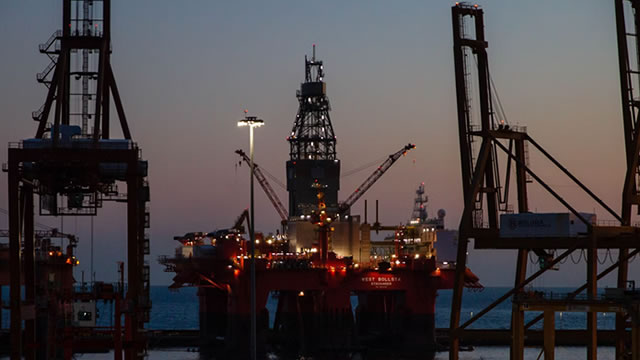
Crude Oil Price Forecast: Triangle and Wedge Patterns Point to Crude Oil Breakout
Resistance at the 20-Day MA holds crude oil back, while triangle and wedge patterns signal potential volatility spikes before the year ends.

What the oil and gas industry wants from Trump and how the administration might deliver it
Increasing liquified natural gas exports and leasing more federal land for drilling are the top of the oil and gas industry's wish list for Trump's second term. The president-elect is setting up a new National Energy Council with the goal of "U.S. energy dominance.

Crude Oil Price Outlook – Crude Oil Continues to See Supportive Action
The crude oil market continues to see a lot of noise overall, as the market is trying to see whether or not we are at the bottom overall.

Oil prices slip as geopolitical worries ebb
Oil futures edged lower Tuesday morning, giving back some of the gains scored the previous session in reaction to the fall of the Assad regime in Syria and a pledge by China's Politburo to implement easier monetary policy and more fiscal stimulus.

Oil News: China's Import Uptick Buoys Oil Demand but Recovery Unclear
China's crude imports rise, boosting demand hopes, but weak inflation clouds recovery outlook.
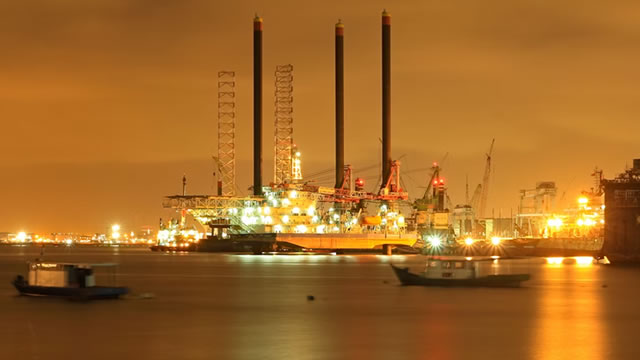
Natural Gas and Oil Forecast: Will U.S. Policy Shifts Boost Energy Demand?
U.S. rate cut speculation adds pressure on energy markets as traders weigh Federal Reserve decisions and demand outlooks.
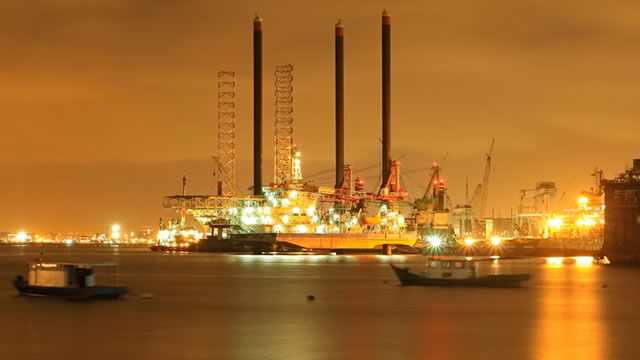
Oil prices ease, but geopolitical risk and China policy stance check losses
Oil prices eased only slightly on Tuesday, holding on to most of their gains from the prior session as mounting geopolitical risk after the fall of Syrian President Bashar al-Assad and China's vow to ramp up policy stimulus kept a floor under prices.

Oil Steady; Risk Premium May Support
Oil prices were steady in the early Asian trade. Rising geopolitical tensions in the Middle East after the Syrian government collapse has “added a little risk premium” to crude oil prices, ANZ said.
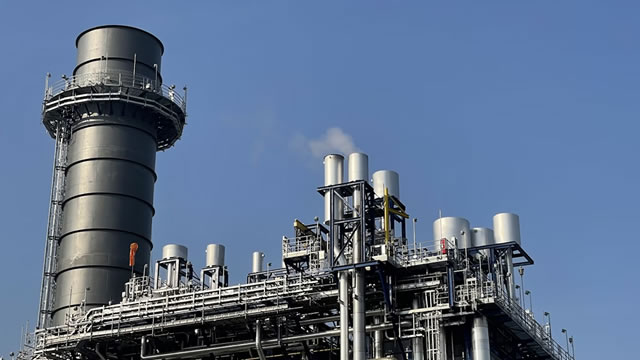
Saudi energy minister: Oil market could see a reality check
The oil market could see a reality check, Saudi Energy Minister Abdulaziz bin Salman tells CNBC's Dan Murphy.

Markets to adjust to potential near-term spike in oil prices: Analyst
Tom Kloza of OPIS discusses the bull case for oil prices despite the risks that exist, including potential tariffs from a new Donald Trump administration and the possibility of more supplies in the market.
Crude Oil Price Outlook – Crude Oil Continues to See Sideways Set Up
The oil market seems like it is still trying to work out where it wants to be longer-term, but at the same time, it is obvious that the market has no real desire to get overexposed in one direction or the other.




