



United States Brent Oil Fund, LP (BNO)
 ARCA ARCA Primary


Oil could plunge to $40 in 2025 if OPEC unwinds voluntary production cuts, analysts say
Oil prices may see a drastic fall in the event that OPEC+ unwinds its existing output cuts, said market watchers. A decline to $40 a barrel would mean around 40% erasure off current crude prices.

Oil trims losses on tight near-term supply
Oil prices edged up on Wednesday on signs of near-term supply tightness but remained near their lowest in two weeks a day after OPEC downgraded its forecast for global oil demand growth in 2024 and 2025.
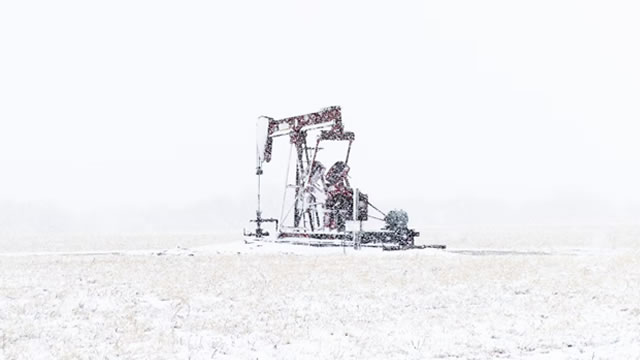
Oil Edges Lower, Likely Weighed by OPEC's Demand Forecast Trim
Oil prices were mixed in early Asian trade. Market sentiment was likely weighed after OPEC cut its demand forecasts, Westpac said.

Crude Oil Price Forecast: Struggles Below Key Levels in Bearish Downtrend
Crude oil remains in consolidation below key support levels, signaling the potential for a bearish continuation if prices break below the September low.
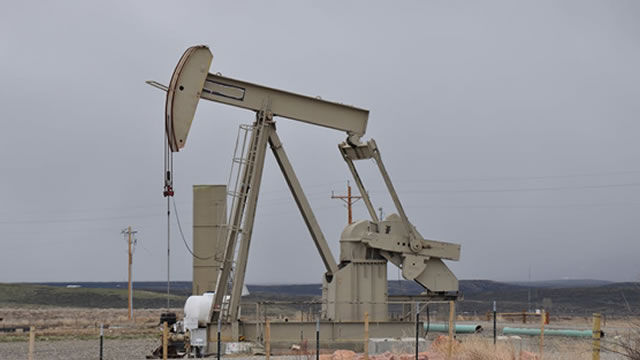
OPEC+ Unity Will Be Tested As Market Share Shrinks
OPEC+ will face strong headwinds in 2025 as not-OPEC+ producers keep gaining market share.

Crude Oil Price Outlook – Crude Oil Continues to See Same Floor
The crude oil market has seen a lot of support previously, as the market continues to see a massive floor at the same place we have in the past. The overall range has been intact for over two years, and it looks like we are staying with it.

Big Oil's climate targets
The world's biggest oil and gas companies have set varying targets to reduce greenhouse gas emissions from their operations and the combustion of the products they sell.
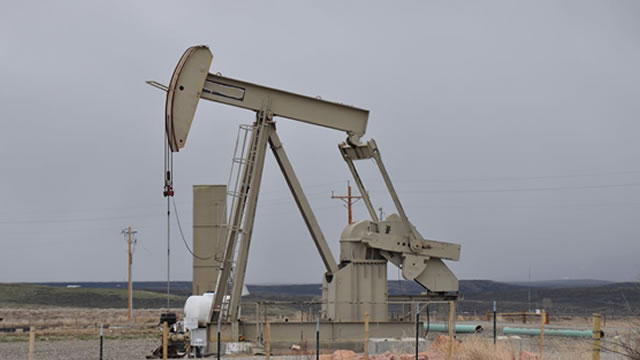
Oil prices bounce after back-to-back declines; OPEC sees lower demand growth
Oil futures rose Tuesday, bouncing after back-to-back losses that sent the U.S. benchmark back below the $70-a-barrel threshold.
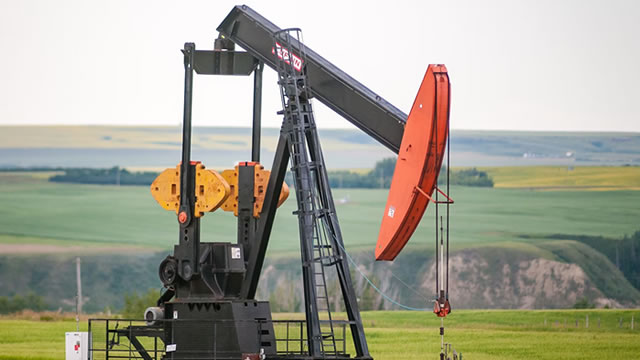
OPEC says Russian oil output broadly stable in October
Russia's crude oil output edged up in October by 9,000 barrels per day (bpd) to about 9.01 million bpd, the Organization of the Petroleum Exporting Countries (OPEC) said on Tuesday, citing data from secondary sources such as consultancies.

Oil News: Crude Traders Eye OPEC Report as Dollar Strengthens
Oil markets eye recovery as OPEC report nears. Analysts question if rising U.S. dollar and supply can curb oil demand growth.

Natural Gas and Oil Forecast: China's $1.4 Trillion Stimulus Falls Short for Demand Boost
Natural gas and oil prices remain weak as China's $1.4T stimulus disappoints. OPEC's demand outlook and strong U.S. dollar weigh on energy markets.

Oil and Natural Gas Technical Analysis: Dollar Strength Drive Diverging Trends
The oil market faces bearish pressure, while natural gas prices surged higher.




