



United States Brent Oil Fund, LP (BNO)
 ARCA ARCA Primary

Crude Oil Price Forecast: Faces Key Support Levels Amid Persistent Downtrend Signals
Crude oil remains under pressure, testing critical support levels as sellers control the market amidst a persistent downtrend.
Crude Oil Price Outlook – Crude Continues to Search for the Bottom
The crude oil market continues to look for some kind of bottom in what has been a challenging environment on Tuesday. At this point, the massive support structure under current trading should be influential to say the least.

U.S. crude oil gains 1% to trade above $68 after worst day in two years
Oil prices are rising after selling off steeply on waning geopolitical risk in the Middle East. Traders were relived Monday after Israel's long anticipated retaliatory strikes on Iran Friday spared the Islamic Republic's oil and nuclear facilities.
Oil prices find support after biggest one-day rout in over 2 years
Oil futures bounced modestly Tuesday, finding support after the Energy Department said it was seeking to buy 3 million barrels of crude to help replenish the Strategic Petroleum Reserve.

The U.S. President has more influence on oil flows outside than inside of the country: Analyst
Jim Burkhard from S&P Global Commodity Insights discusses the impact of the upcoming US elections on oil flows.

Markets might see a weakening in oil prices, Al Mal Capital says
Faisal Hasan, chief investment officer and head of asset management at Al Mal Capital, says markets might see a short-term rally after the U.S. election results.

British oil giant BP posts $2.3 billion in third-quarter profit, beating expectations
British oil giant BP posts $2.3 billion in third-quarter profit, beating expectations
Natural Gas and Oil Forecast: Will Strategic U.S. Oil Purchases Halt Price Decline?
With the U.S. buying 3M barrels for reserves, oil prices see support; however, global demand fears loom large.
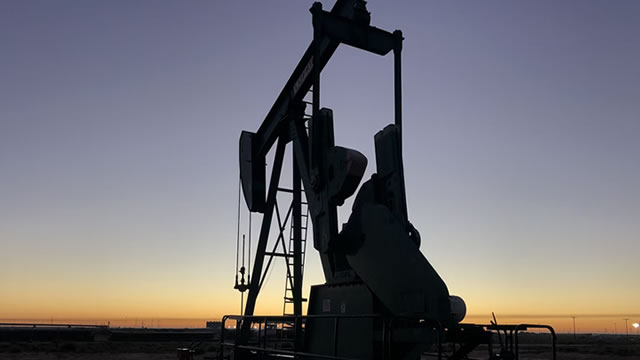
Oil and Natural Gas Technical Analysis Amid Cooling Geopolitical Tensions
The oil and natural gas prices continue to drop due to weaker demand and show bearish price action.
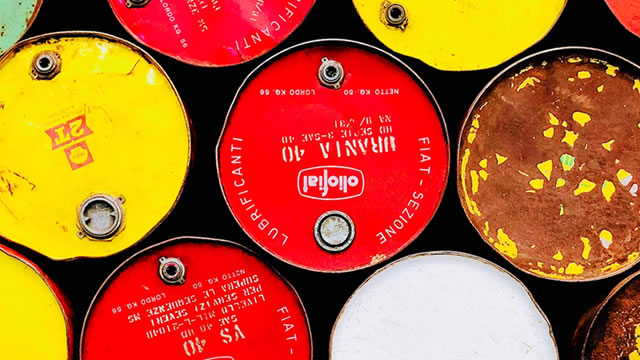
Oil prices edge up, US plan to refill reserve offers support
Oil prices edged up on Tuesday, after a sharp plunge in the previous session, as a U.S. plan to purchase oil for the Strategic Petroleum Reserve provided support while investors remained focused on developments in the Middle East.
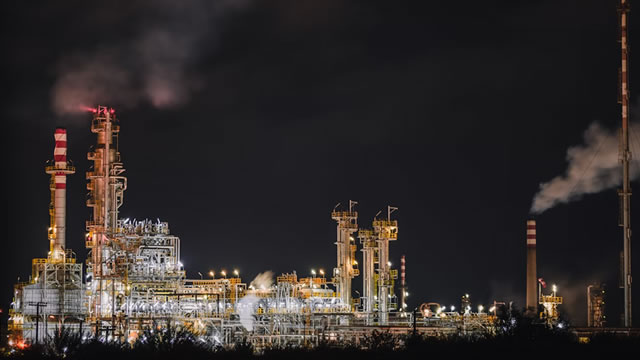
Oil Gains Amid Middle East Tensions
Oil rose in early Asian trade, after falling recently as Israel steered clear of Iran's oil and nuclear facilities in attacks over the weekend.

S&P 500 Gains and Losses Today: Oil Stocks Lose Ground as Crude Prices Fall
Major U.S. equities indexes pushed higher on the first day of the new trading week as the markets brace for a slew of earnings reports. Big tech will likely be in focus, with five of the so-called "Magnificent Seven" companies set to release results throughout the week.




