



United States Brent Oil Fund, LP (BNO)
 ARCA ARCA Primary


Oil Prices Fall After Israel's Airstrikes Against Iran. Here's Why.
It's still too early to rule out an escalation that does threaten global oil supply–Iran is a major producer, and if it gets cut off it would have repercussions.
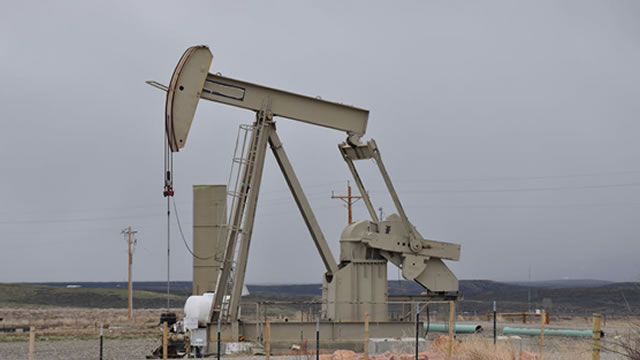
Oil prices slump on Middle East de-escalation hopes after Israel hits Iran
Oil prices slumped on Monday as hopes emerged of easing escalations in the Middle East despite an Israeli strike against Iranian military targets over the weekend. Benchmark Brent crude fell over 4% as trading got underway for the week to US$72.60 a barrel.

Natural Gas and Oil Forecast: Market Remains Cautious Amid Weak Demand from China
Oil and natural gas market remains cautious as weak demand from China and steady USD weigh on global energy prices.

Oil prices slide more than 4% after Israel's 'limited' attack on Iran seen as not disrupting supplies
Oil prices slid on Monday after Israel's 'limited' missile strikes on Iran over the weekend. Futures for global crude benchmark Brent slid 4.34% to $72.75 a barrel, while U.S. West Texas Intermediate futures dropped 4.54% to $68.52 per barrel.
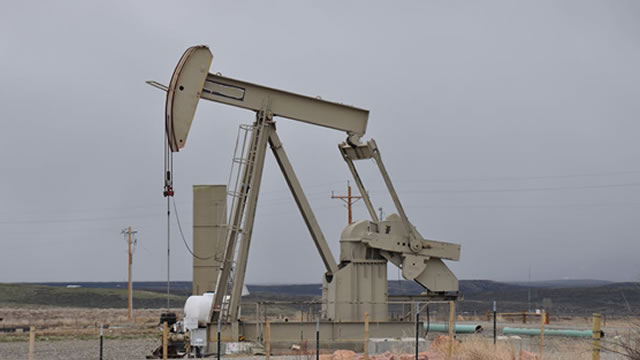
Oil Falls, Geopolitical Risk Premium Set to Ease
Oil was trading lower in the morning Asia session as markets digested the latest developments in the Middle East.

Oil prices drop 5% after Israeli airstrikes spare Iran's oil facilities
Crude oil futures fell Sunday, after widely-anticipated Israeli airstrikes against Iran did not hit crucial oil facilities.

Oil slips nearly $4 a barrel after Israel shows restraint in strikes on Iran
Oil prices tumbled nearly $4 a barrel on Monday after Israel's retaliatory strike on Iran over the weekend bypassed Tehran's oil and nuclear infrastructure and did not disrupt energy supplies, easing geopolitical tensions in the Middle East.

How the Stock Market, Oil Prices Could React to Israel's Retaliatory Attack on Iran
Investors will also be focused on a slew of earnings reports this week, Friday's jobs report for October, and the election, which is just one week away.
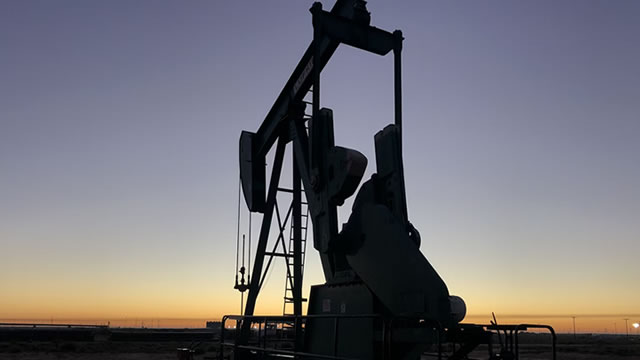
Oil prices likely to fall after Israel shows restraint in strikes on Iran
Oil prices are expected to fall when trading resumes on Monday as Israel's retaliatory strike on Iran over the weekend bypassed Tehran's oil and nuclear infrastructure and did not disrupt energy supplies, analysts said.

Oil News: Is a Supply Shock Imminent as Middle East Tensions Escalate?
Crude oil's outlook next week: Will rising supply fears from Israel-Iran conflict offset bearish U.S. inventories and slow demand?
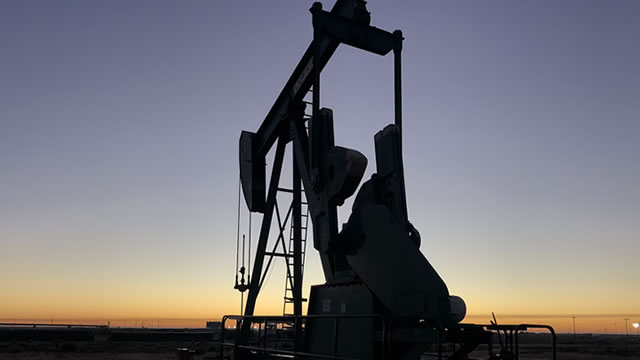
Oil News: Crude Oil Breaks 50-Day MA as Middle East Tensions Spark Supply Concerns
Crude oil breaks above 50-day MA ($70.47) as Middle East tensions raise supply concerns. Israeli strikes in Lebanon fuel market uncertainty.

Israel's attack on Iran spares oil, nuclear facilities and probably markets too
Israel launched air strikes against military targets in Iran on Saturday in its long anticipated retaliation for an Iranian missile attack on October 1st, but avoided hitting energy infrastructure or Iran's nuclear facilities, limiting the potential for volatility in financial or commodity markets when they reopen.




