






US gas price average jumps to $4 a gallon as US and Iran intensify attacks
As the attacks between the US and Iran continue, the average price of gas is now at $4 a gallon. It previously dipped in mid-June, but has since gone back up.

Gas Tops $4 Again, Oil Hits $82. Here's Why the Fed Has a Big Problem
Inflation looked as though it was finally settling into a more manageable pattern, but energy markets have a habit of rewriting the script.

Futures point higher as Wall Street eyes Big Tech earnings and oil retreats from $90
US stock futures pointed higher on Monday as attention turned to a bumper week of Big Tech earnings, even with the US-Iran conflict grinding into its tenth day. Dow futures edged up 0.2%, S&P 500 contracts added 0.3%, and the Nasdaq-100 popped 0.7%, a welcome bounce after a bruising week for semiconductor stocks.
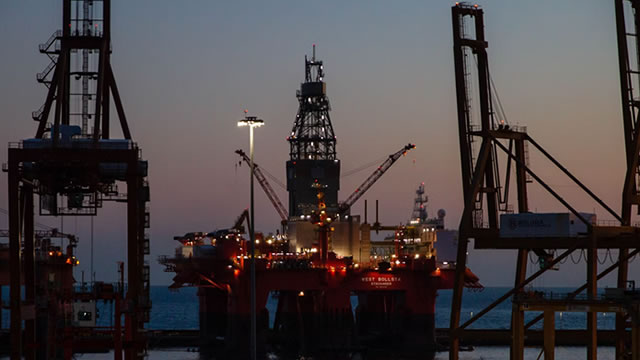
U.S. Gas Prices Top $4 Again As Iran War Continues To Escalate
Brent crude oil futures soared above $90 per barrel on Monday but have since settled around $88.10 after Iranian officials signaled openness to dialogue. Esmaeil Baqaei, Iran's Foreign Ministry spokesperson, said the country had received proposals and ideas from various mediators to help quell tensions with the U.S., state media reported.

Oil Holds Near $90 a Barrel, U.S. Stock Futures Edge Higher
U.S. stock futures largely inched higher, as investors worried about the further escalation in the Middle East.
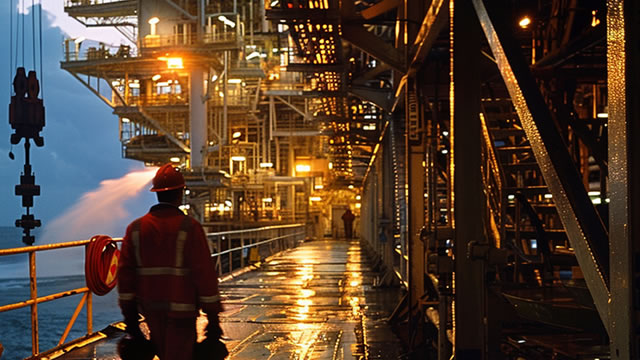
Stock Market Today: Oil Rises After Weekend of Fighting in Mideast
Stock futures tick up

Oil Rises on Rising Concerns Over Supply Disruptions in Middle East
Oil rose on rising concerns over supply disruptions in the Middle East.

Few tankers enter Hormuz to load oil, data shows
The number of ships transiting the Strait of Hormuz stayed low during the weekend as the United States and Iran intensified attacks in the Middle East, shipping data showed on Monday.
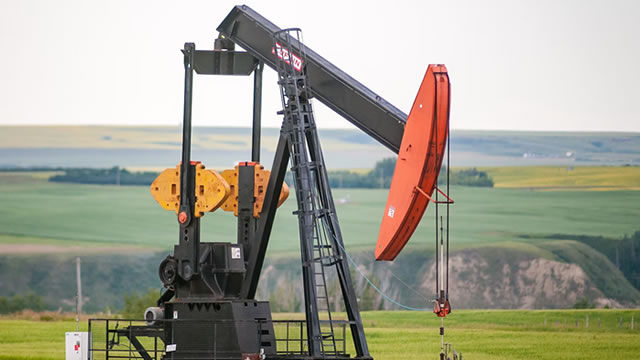
Gulf crude exports jump in July but shipments slowing on renewed hostilities, data shows
Gulf countries boosted crude oil and condensate exports in the first half of July to the highest levels since before the Iran war began in late February, shipping data showed, although flows through the Strait of Hormuz are now slowing as fighting escalates.

Caspian Pipeline Consortium oil loadings suspended after drone attacks on tankers, CPC says
Two oil tankers were attacked at the Caspian Pipeline Consortium (CPC) terminal off Russia's Black Sea coast, CPC said on Sunday, adding that oil loadings are suspended.

U.S. Emergency Oil Reserve Hits Lowest Levels Since 1983: Why It Matters
Video: WSJ's David Uberti explains how the Strategic Petroleum Reserve works to help blunt the impact of oil shocks such as the Iran War.
Here's where the smart money believes oil prices could wreak havoc on the stock market
A few words of caution before you start buying stocks.




